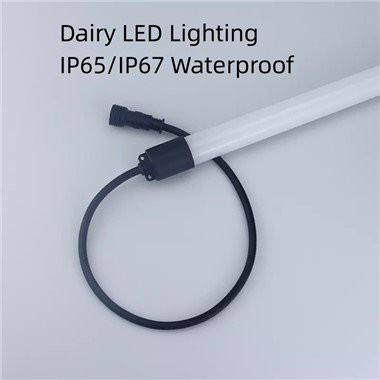
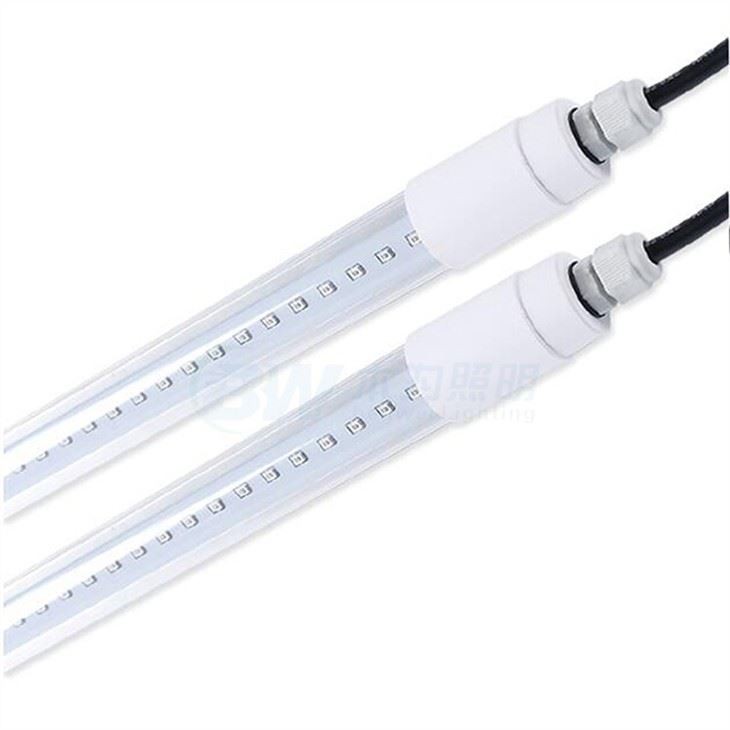

dairy cow lighting
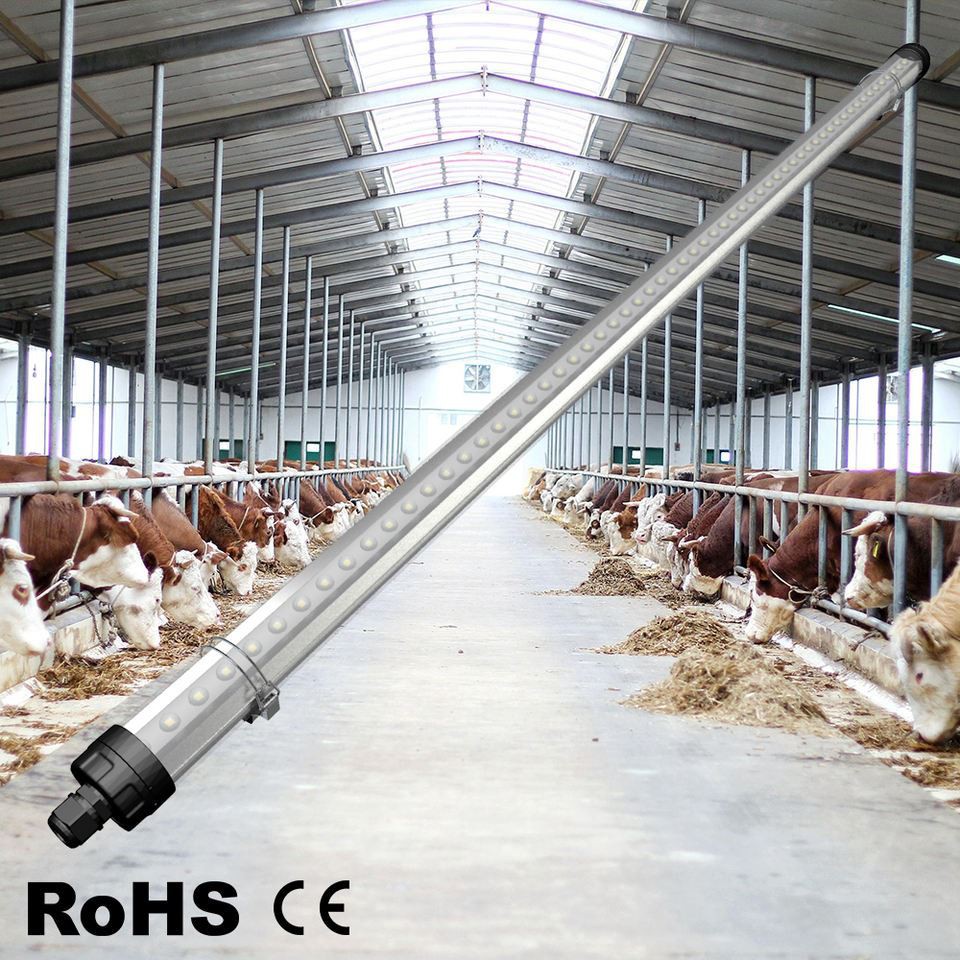
Product Introduction
Features:
1.100% waterproof (IP69K) and chemical resistant.
2.Better heat transfer resulting in longer lifespan.
3.Shatterproof (IK10)
4.Higher efficiency means less electricity,lower System cost
5.Dimmer is calibrated to give a linear lux dimming output from 0 to 100%
|
Product Name |
dairy cow lighting |
|
Watts |
10W 18W 25W |
|
CRI |
>90 |
|
Lumens Efficiency |
160lm/w |
|
Color Temperature |
3000k, 4000k, 5000k 6000k |
|
Beam Angle |
150° |
|
IP Grade |
IP65 Waterproof |
|
Working Temperature |
-20-55℃ |
|
Materials |
Aluminum+PC |
|
Cover |
Clear Cover/Milky cover available |
|
Warranty |
5 years warranty |
More details

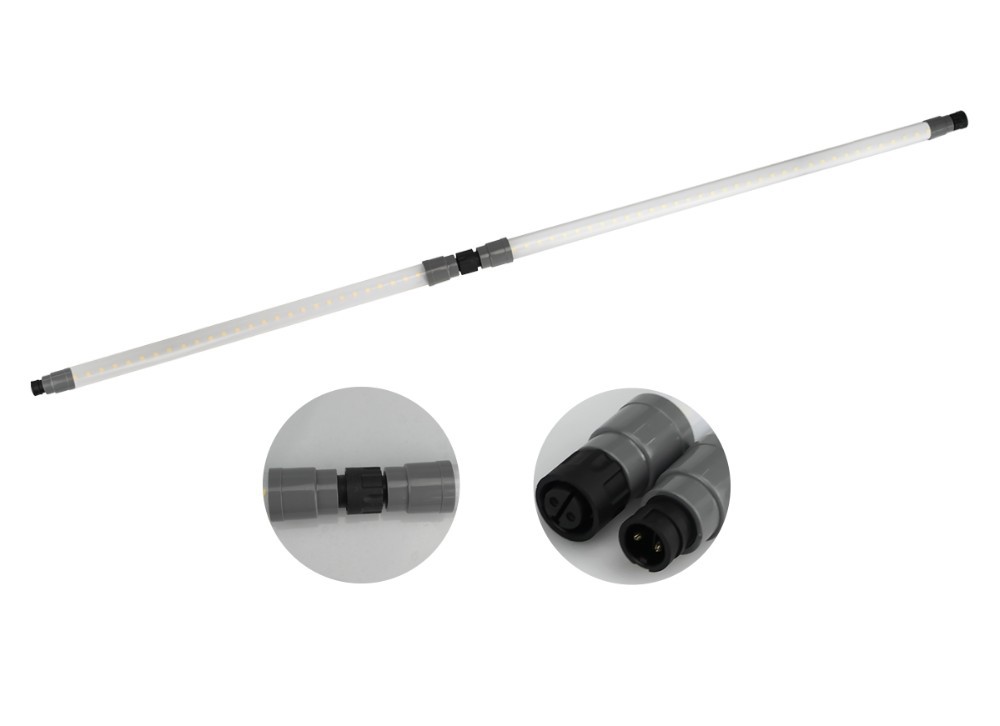

The fastest and most economical method of installation is the Quick Connect system. Install your support lines, then use cable ties or hog rings to attach the Sunbird lighting cable. Finally, crimp the lights into place. No more connecting blocks, junction boxes, or conduit. Pre-wired with spring-loaded terminals for adding or removing components, the control gear is delivered.
Application
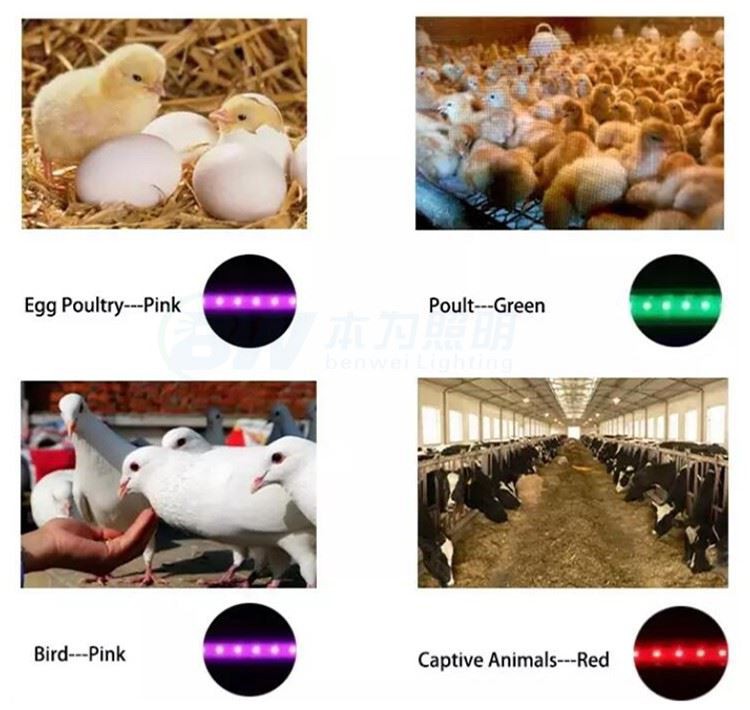
Package

FAQ
1.What kind of lighting works best for illuminating cows?
moderately bright red lights.You save paying for the installation of extra night lighting as a result. Red light is little noticed by cows, and it provides enough lighting for you to go about your rounds or do your business without waking the cows.
2.Why are lights on at night on dairy farms?
Their metabolism is slowed by the absence of light. When the barn is properly lit, cows develop a natural rhythm that makes them more comfortable and can increase the amount of milk they produce.
3.Do cattle need light at night?
As important, cows need a period of darkness as part of their normal, daily, circadian rhythm. Constant light pollution, particularly in large dairies operating around the clock, can be a problem.
4.Can dairy cows live just on grass?
Even while some cows may fulfill most of their nutritional demands by eating only grass, they are often non-lactating cows, or cows who aren't giving milk. The metabolism of a breastfeeding dairy cow is extraordinarily high, making it comparable to that of a marathon runner or high-level athlete.