Product Features:
1. Full spectrum adds lights to help plants grow, sprout, and flower, rapidly promoting leaves and flowers blooming. Help plants absorb nutrients, especially some trace elements.
2. Plants growing need bright light. A lack of light can cause a plant to lose leaves or develop poorly colored, pale leaves that are few in quantity.
Product Specification:
| Power | 9W 18W 23W 25W |
| Size | 60CM 120CM 150CM |
| Color Temperature(CCT) | Full spectrum; Red and blue light |
| Luminous Efficiency(LM/W) | 120LM/W 140LM/W 160LM/W |
| Color Rendering Index(Ra) | >90 |
| Waterproof | IP65 IP67 Waterproof |
| Material | Aluminum Body+ PC cover |
| Feature | For plant growing |
Detailed Images:


Grow lights are artificial light sources designed to provide plants with the necessary light required for growth. They are particularly useful for indoor plants, especially during the winter months when natural light is scarce. These lights come in different types and sizes, with the most popular being LED grow lights, fluorescent lights, and High-Intensity Discharge (HID) lights.
Wattage is an essential factor to consider when choosing the right grow lights for your indoor plants. The amount of wattage required is dependent on the type of plant being grown and the size of the grow space. Generally, plants that require high levels of light intensity, such as vegetables, fruits, and flowers, will need grow lights with higher wattage. On the other hand, plants that require moderate to low light intensity, such as herbs and succulents, will need lower wattage.
The wattage of a grow light refers to the amount of power or energy the light uses. It is essential to choose the right wattage to ensure your plants receive the right amount of light needed for growth. For example, a 150W LED grow light is sufficient for small indoor grow tents, while a 400W grow light is suitable for larger grow spaces, such as a greenhouse.
Usage:


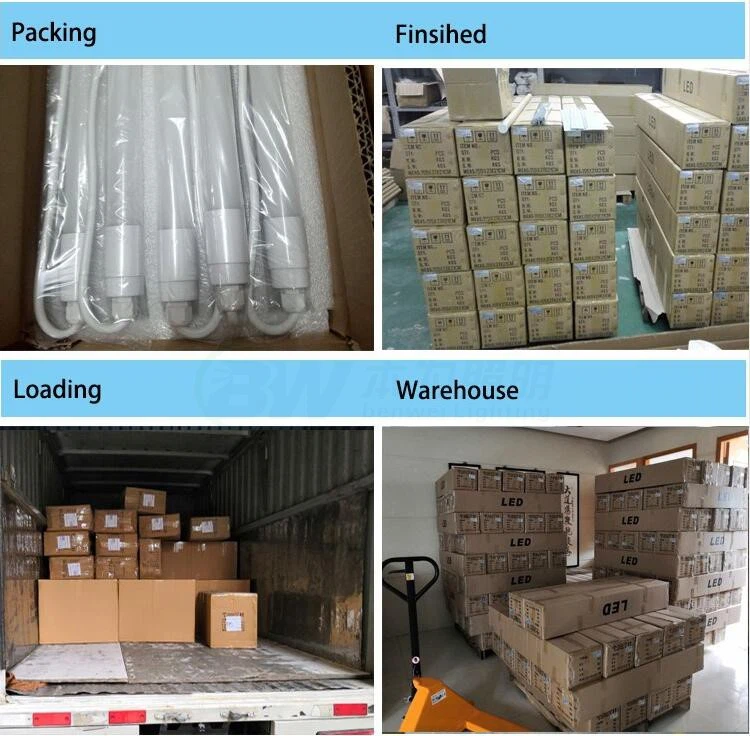
Packing & Delivery: