Product Features:
1. LED lighting: LED lighting is vital for the health of the hens since it is long-lasting, energy-efficient, and produces less heat than other kinds of bulbs. Additionally, you may customize the colors and brightness of the light to suit your birds' needs.
2. Fluorescent lights: Available in a range of sizes, fluorescent lights are reasonably priced. Additionally, they provide cold light, which promotes healthier chicken development and lowers the possibility of overheating.
3. Incandescent lighting: These lights provide a red hue that is advantageous for egg laying and are warming. They may overheat if not fitted properly, and they are not as energy-efficient as LED or fluorescent lights.
Product Specification:
| Power | 9W 18W 23W 25W |
| Size | 60CM 120CM 150CM |
| Color Temperature(CCT) | 2600-2800K, 3900-4200K |
| Luminous Efficiency(LM/W) | 120LM/W 140LM/W 160LM/W |
| Color Rendering Index(Ra) | >90 |
| PF | >0.90 |
| Beam angle | 180degree |
| Waterproof | IP65 IP67 |
| Material | Aluminum Body+ PC cover |
| Input Voltage(V) | Triac dimmable 220V AC or 110V AC, 0-10V Dimmable AC85-265V |
| Lifespan (hours) | 50000 |
| Warranty | 5 years |
| Led chip | Epistar 2835 |
| Feature | flicker free |
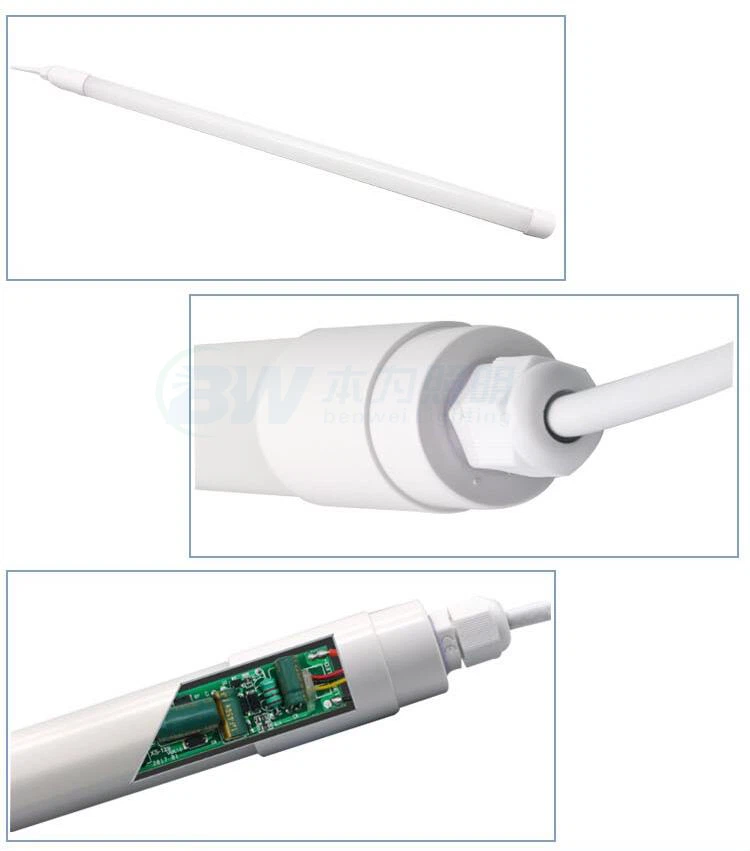
Detailed Images:


Test report:

Usage:
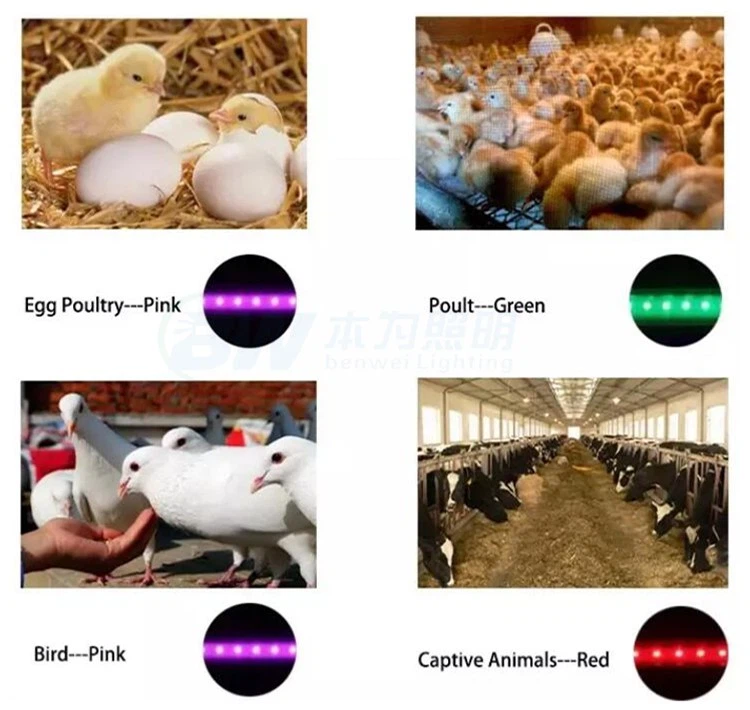
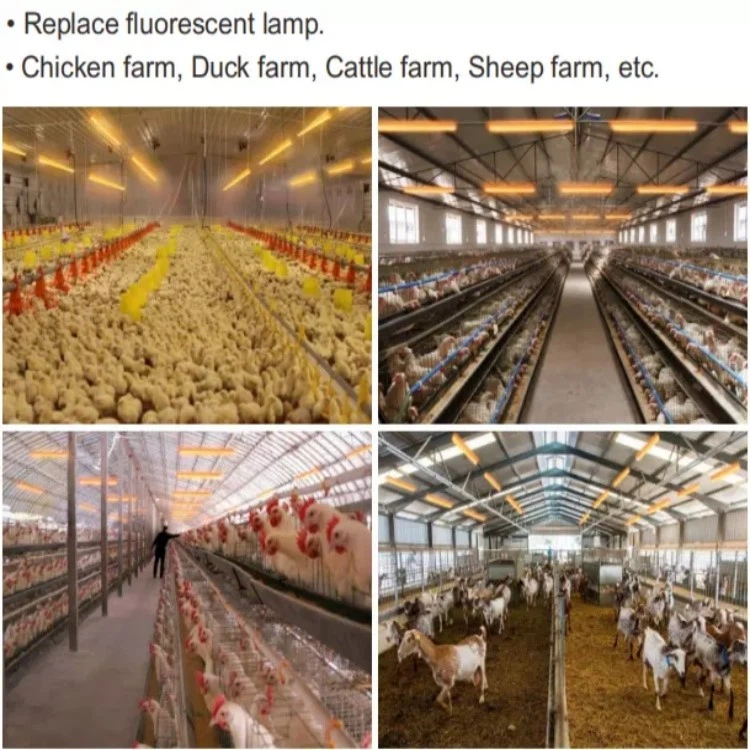
1. Brooding lights: For the first week, brooding lights should be maintained 8 to 10 inches apart and should offer continuous light. The chicks may get as little as 20 hours of light per day during the second week, and as few as 16 hours per day by the third.
2. Pullet lights: A 14-hour dark time should be provided for the hens' relaxation, in addition to 13–16 hours of light each day. To prevent shadows and promote equal development, the light should be dispersed evenly.
3. Lay lights: A minimum of 14 hours of light per day should be provided by lay lights, which are essential for egg laying. To mimic natural daylight, the lights should have a gradual onset and offset of light, with a maximum brightness of 5-7 watts per square foot.
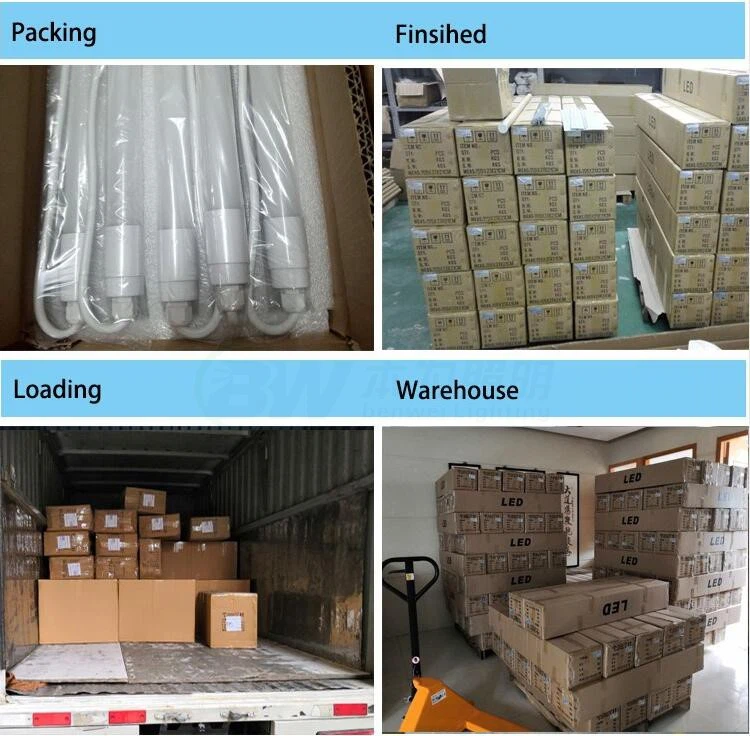
Packing & Delivery: