


blue chicken lights

Product Introduction
Features:
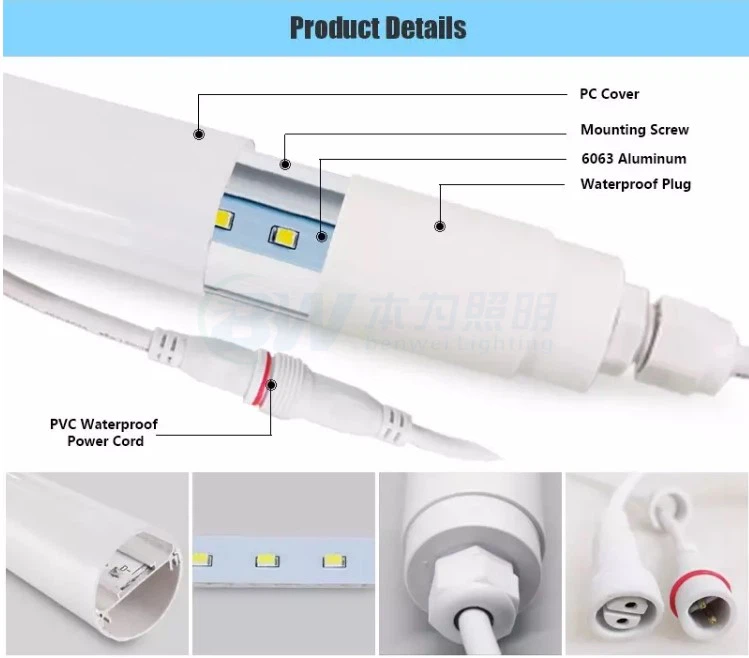
1. A waterproof stand with full PC pipe.
2.PC/94V-0 pure. Anti-weak base; won't fade; won't explode.
3.Mercury-free , no hazardous waste disposal
4.Suitable for operation at low temperatures
5.CRI>90
|
Product name |
blue infrared ip65 triproof led lights lamp for poultry house |
|
Rated voltage |
AC85-277V |
|
Power |
9W/14W/18W/36W/40W/60W/80W or customized wattage |
|
LED Type |
SMD2835 |
|
Color ratio |
2700K -6500K , Full specturm or customized spectrum |
|
Tube Type |
T5/T8/T10/T12 |
|
Material |
Aluminium profile+clear pc cover |
|
Length |
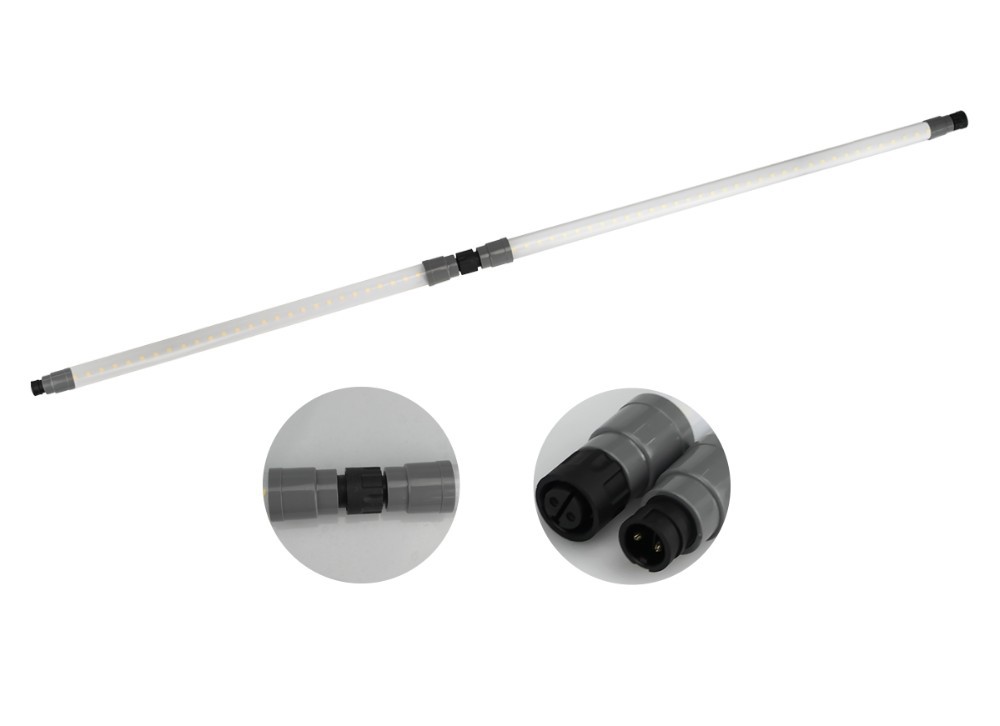
0.6m/0.9m/1.2m/1.5m/1.8m/2.4mor customized length |
|
Guarantee |
3 years/ 5 Years |
More details

Application

Package

FAQ
1.What does blue light do to chickens?
It was concluded that blue or green light is preferable to red or white light for broilers because it keeps the birds calmer and is chosen by the birds themselves.
2.Do chickens have blue vision?
Chickens have four colors. They have four different types of cones that enable them to see ultraviolet light in addition to red, blue, and green light.
3.What shade of lighting is ideal for chickens?
These hues can stimulate behavior and boost activity levels, such as eating. For this reason, broilers occasionally come in the hues green and blue. They can also encourage undesirable behaviors like cannibalism and pecking at the same time. Light is used by birds for reproduction as well.
4.When should I switch off the light for my chickens?
After the fourth week, you won't need a heat lamp if indoor temperatures average about 75 degrees. However, until they are completely feathered at six weeks of age, chicks require additional heat in barns or garages, which may run at 60 degrees.
