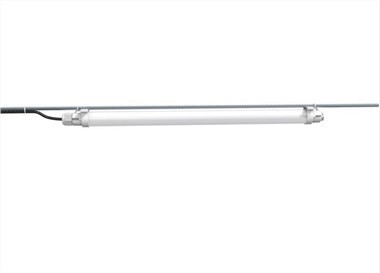
Product Features:
1. Photoperiod: The duration of the day for poultry is influenced by lighting; longer days result in a higher egg-laying rate. A shorter day might hasten the development of melancholy.
2. Uniformity: If the illumination isn't consistent, the birds get more stressed, which might result in pecking and even death.
Product Specification:
| Power | 9W 18W 23W 25W |
| Size | 60CM 120CM 150CM |
| Color Temperature(CCT) | 2600-2800K, 3900-4200K |
| Luminous Efficiency(LM/W) | 120LM/W 140LM/W 160LM/W |
| Color Rendering Index(Ra) | >90 |
| PF | >0.90 |
| Beam angle | 180degree |
| Waterproof | IP65 IP67 |
| Material | Aluminum Body+ PC cover |
| Input Voltage(V) | Triac dimmable 220V AC or 110V AC, 0-10V Dimmable AC85-265V |
| Feature | flicker free |
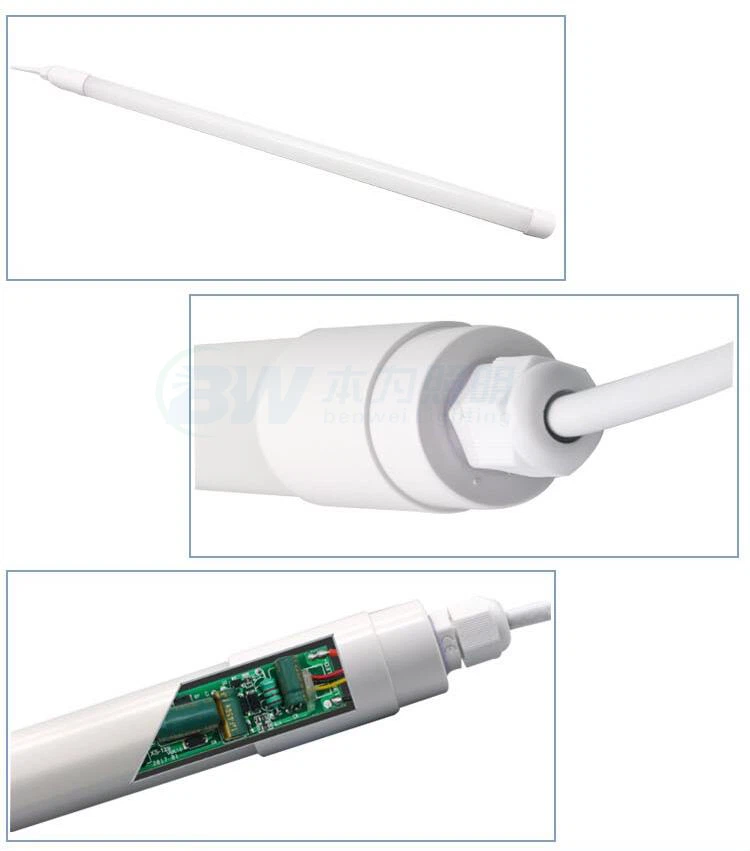
Detailed Images:

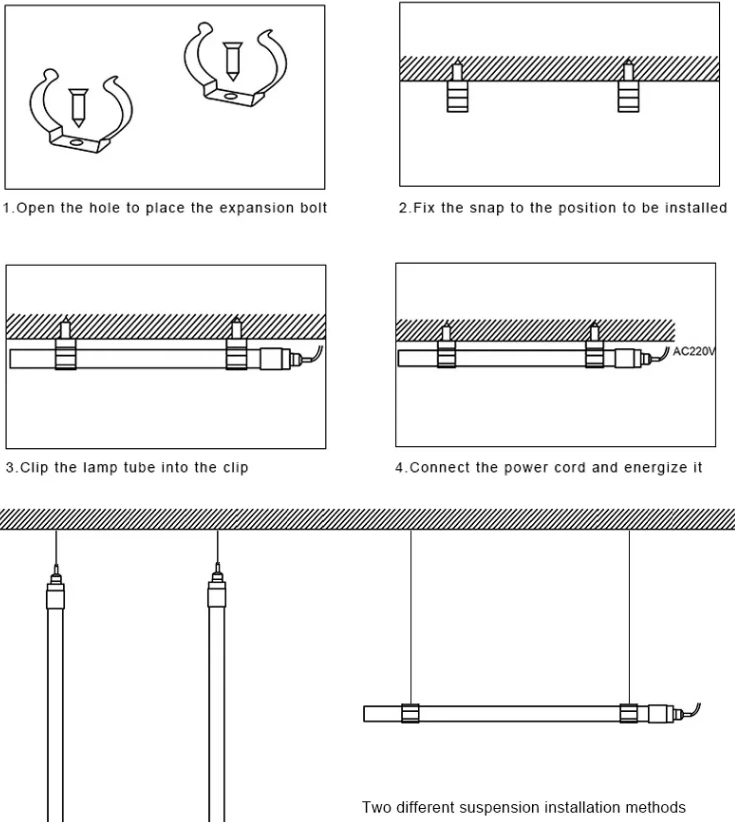

Test report:

Lighting is important for managing poultry because it gives the birds a feeling of day and night. Natural sunshine supplies the necessary lighting for normal development and growth, particularly during the reproductive stage. The natural lighting time shortens as winter draws near, and insufficient lighting may have an impact on disease resistance and hatching rate. As a result, artificial lighting must be used to augment natural light.
Usage:
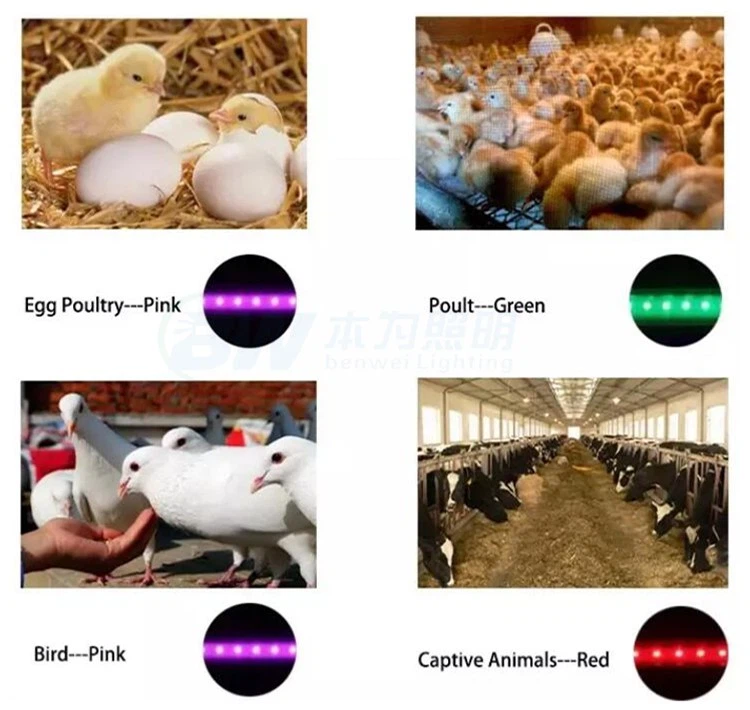
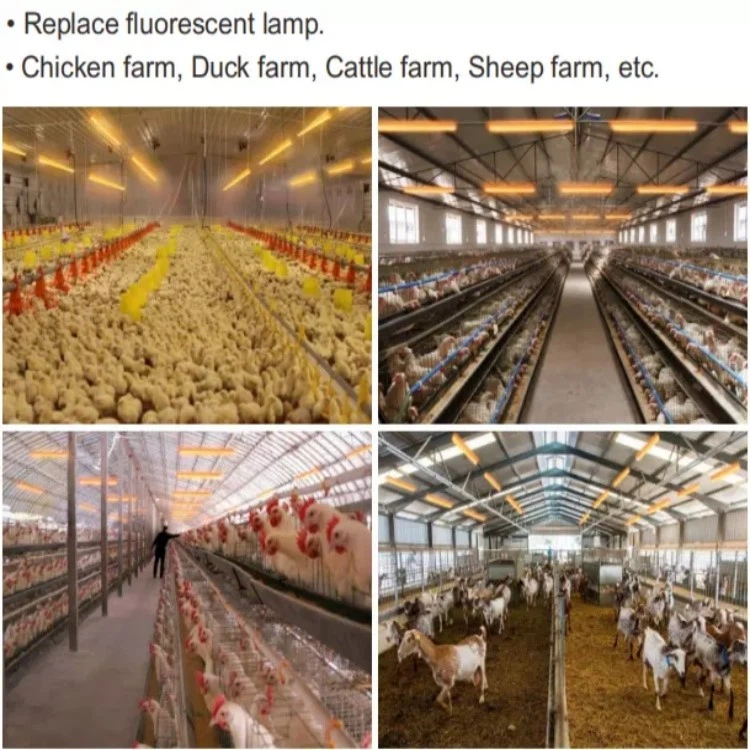
1. Broiler Production: The lighting program may vary throughout the broiler cycle, starting with prolonged daylight (23-24 hours) to stimulate growth and improve feed intake. A shorter photoperiod (12-14 hours) is better during the final weeks of growth to reduce the risk of leg abnormalities.
2. Layer Production: Artificial lighting is critical to enhance egg production in laying hens. Moderate light intensity (10-20 lux) and increased photoperiod (14-16 hours) promote increased egg-laying rates and yield.
3. Breeder Production: Optimal lighting can aid in the non-seasonal breeding of birds. Lighting conditions should be consistent, and photoperiod can be gradually increased from 8 hours to 14 hours during the off-season.
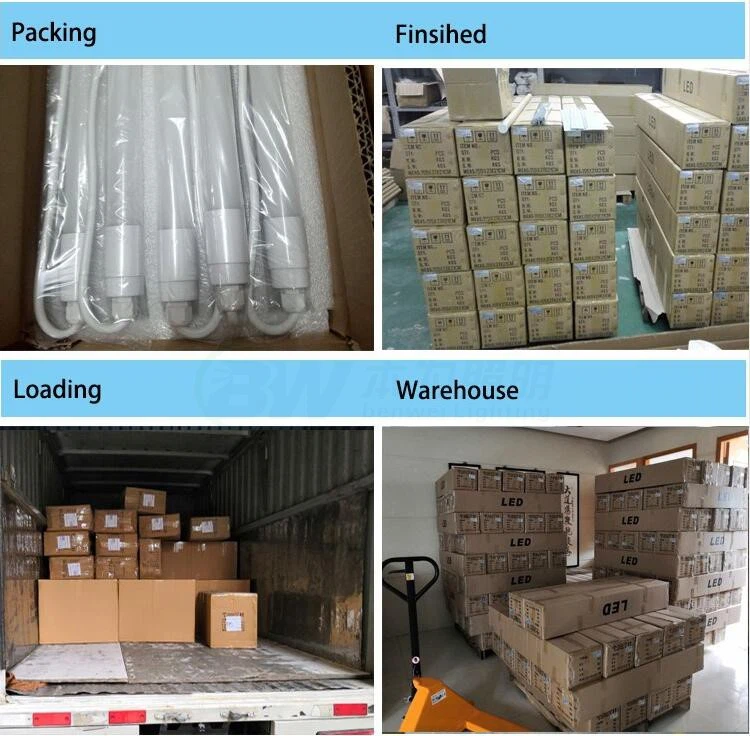
Packing & Delivery: