Product Features:
1. Egg-laying chicken lights available in a variety of sizes, styles, and features.
2. These lights are mostly used to complement natural light and give the right amount of illumination to encourage chickens' ovaries to begin producing eggs.
3. Not only does it provide light, but it also has features like programmable light intensity and light duration. These characteristics guarantee that the lighting is tailored to the hens' need.
Product Specification:
| Power | 9W 18W 23W 25W |
| Size | 60CM 120CM 150CM |
| Color Temperature(CCT) | 2600-2800K, 3900-4200K |
| Luminous Efficiency(LM/W) | 120LM/W 140LM/W 160LM/W |
| Color Rendering Index(Ra) | >90 |
| PF | >0.90 |
| Beam angle | 180degree |
| Waterproof | IP65 IP67 |
| Material | Aluminum Body+ PC cover |
| Input Voltage(V) | Triac dimmable 220V AC or 110V AC, 0-10V Dimmable AC85-265V |
| Lifespan (hours) | 50000 |
| Warranty | 5 years |
| Led chip | Epistar 2835 |
| Feature | flicker free |
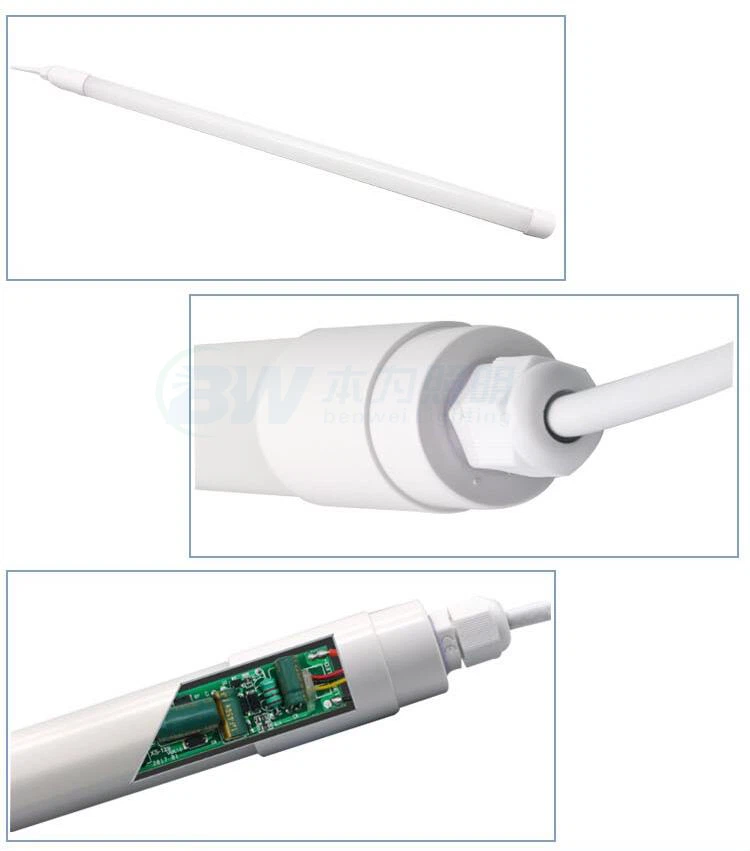
Detailed Images:


Test report:

Farmers may lose a significant amount of money when their hens cease laying eggs during the winter or during their molting process. One of the main causes of hens ceasing to lay eggs is a lack of light. This is due to the fact that hens need between 14 and 16 hours of sunshine to promote their egg-laying cycle. Their innate tendency is to get moody when the amount of daylight decreases, as it does throughout the winter. Farmers may prevent this issue by increasing the amount of light.
Usage:
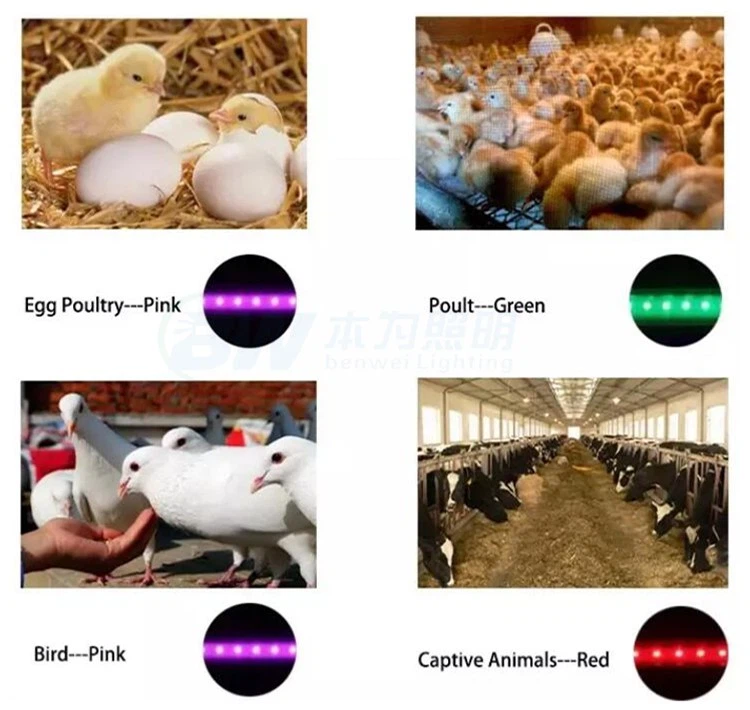
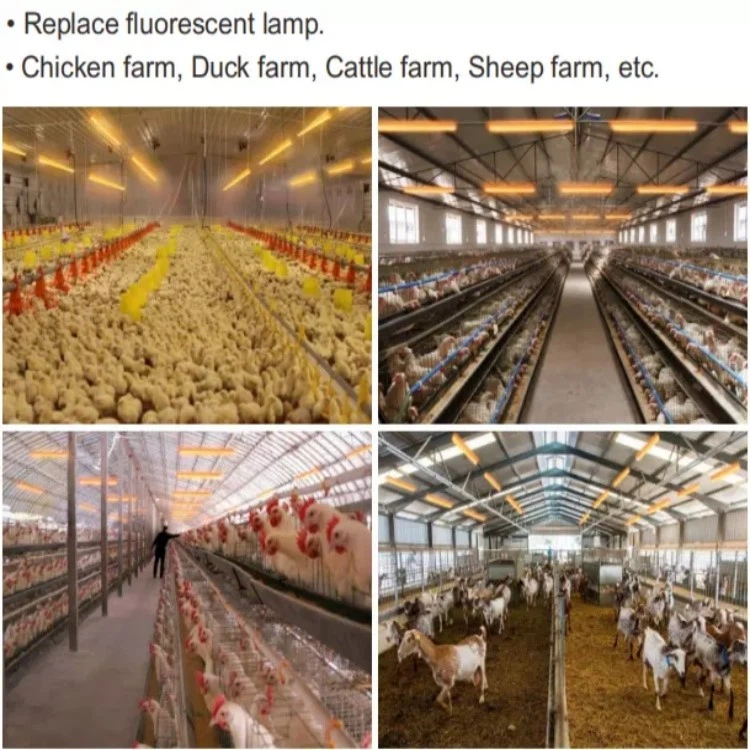
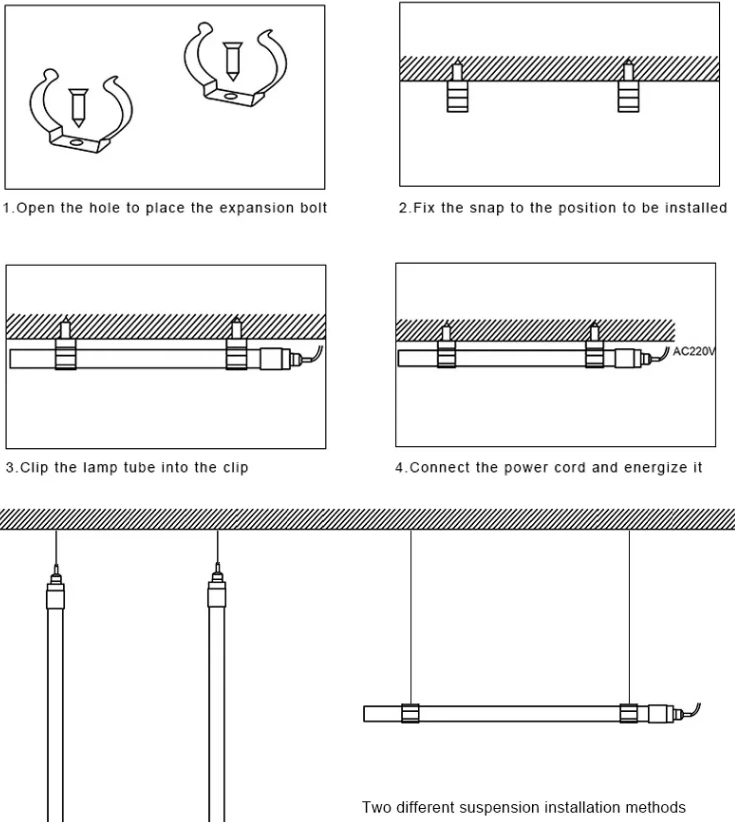
It is crucial to know how to utilize lights if you are just beginning to use them for hens that produce eggs. The main objective is to provide chickens the light they need without making them anxious. Generally speaking, the illumination time should start one hour before sunrise and last for 16 hours overall. Making sure the lighting systems don't overheat the coop and aren't too near to the chickens is also crucial. It is advised that the illumination period be scheduled using timers.
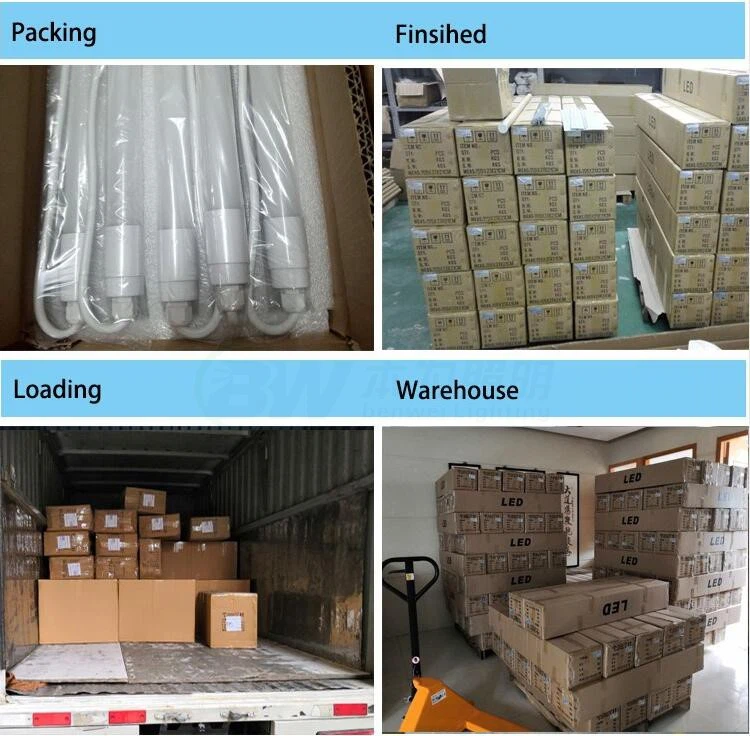
Packing & Delivery: