Products Description
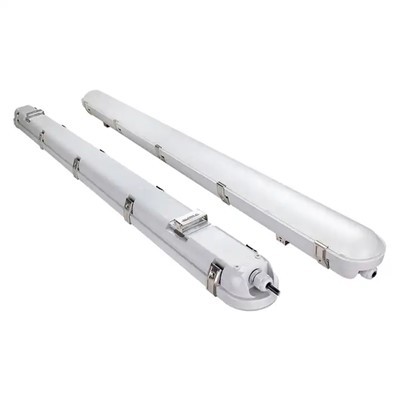
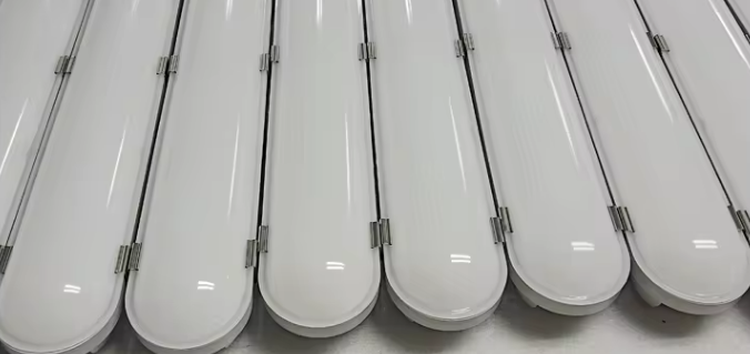
"Three-proof lamps" refer to lighting fixtures that have three main protective functions: dust-proof, water-proof and corrosion-proof. Here, "three-proof" does not mean shock-proof or drop-proof, but specifically refers to their tolerance to harsh environments.
It usually has a clear protection level indicator - the IP rating.
IP (Ingress Protection) rating: It consists of two numbers.
The first digit (dust protection): The range is 0 to 6. The higher the number, the stronger the dust protection capability. 6 is the highest level, indicating complete prevention of dust intrusion.
The second digit (water resistance): The range is from 0 to 8. The higher the number, the stronger the water resistance. Common ones include 5 (resistant to water jets), 7 (resistant to immersion), and 8 (resistant to diving).

Products Specification

Products Details
The main features of the three-proof lamp
High protection (core feature)
Dust-proof: Good sealing performance makes it difficult for dust to enter, preventing internal circuit short circuits and accelerated light attenuation.
Waterproof: It can be safely used in damp, foggy, and even directly water-sprayed environments.
Anti-corrosion: The lamp body and shell are usually made of corrosion-resistant materials (such as engineering plastics, stainless steel, and die-cast aluminum with surface plastic spraying treatment), which can resist the erosion of acids, alkalis, salt spray and other chemical substances.
Strong durability
It has a solid structure and often possesses the ability to resist impact and vibration, making it suitable for environments with mechanical vibration such as factories and warehouses.
High luminous efficacy and energy conservation
Modern three-proof lamps basically all adopt LED light sources, which have high luminous efficiency and long lifespan (up to over 50,000 hours). Compared with traditional metal halide lamps or fluorescent tube three-proof lamps, they are more energy-efficient and environmentally friendly.
Good heat dissipation performance
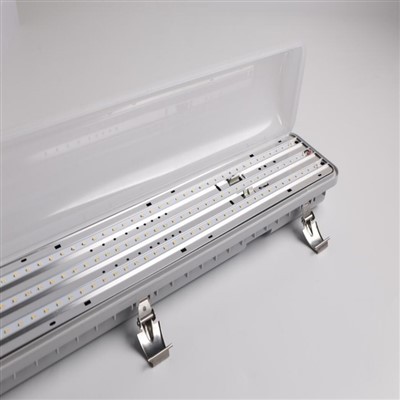
LEDs are sensitive to temperature. Good three-proof lamps are designed with dedicated heat dissipation structures (such as heat dissipation fins) to ensure that the LED chips operate at an appropriate temperature and extend their service life.
Easy to install and maintain
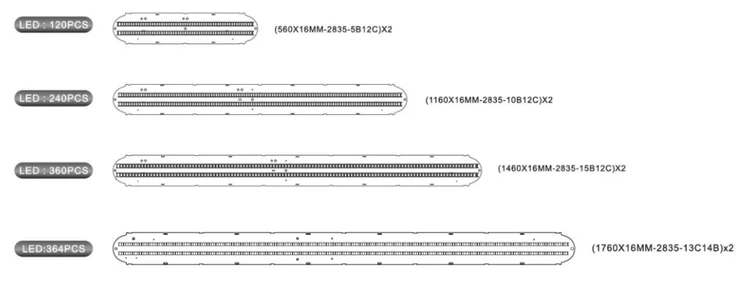
In terms of design, easy installation is usually taken into account, such as adopting various installation methods like ceiling mounting, suspension rods, and brackets. The modular design also makes later maintenance (such as replacing the driver power supply) more convenient.
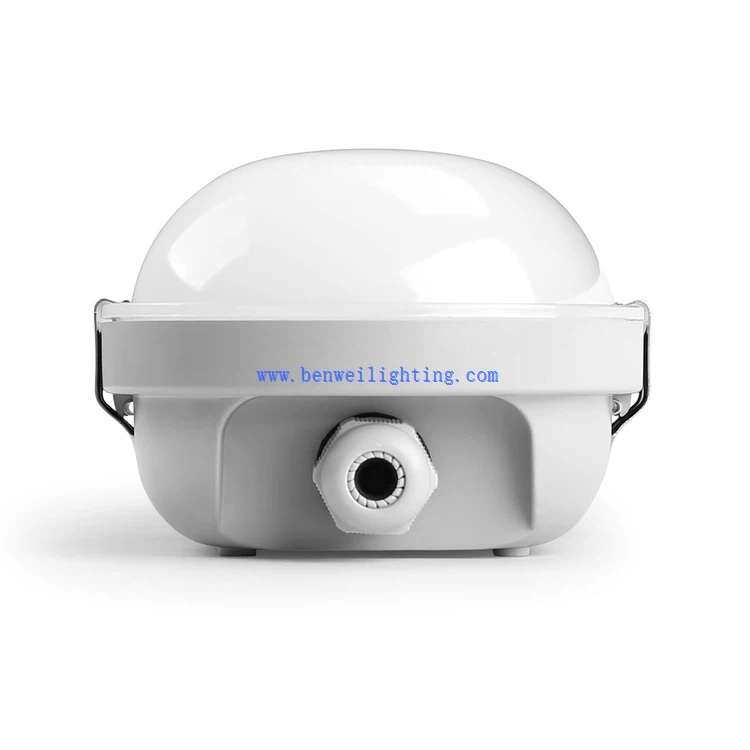




Selecting a three-proof lamp?
Check IP protection:
User environment determines selection. For drying workshops, IP54 is fine; for outdoor, kitchen, car wash, and other water-exposed situations, IP65 is recommended; for rinsing or full rain exposure, IP66 or higher is needed; for underwater illumination, IP67/IP68 is needed.
Check the material and craftsmanship:
The shell material influences corrosion resistance and durability. High-quality polymers like PC and PP or stainless steel are popular. Check the interfaces and silicone sealing rings for quality, as this affects sealing.
Check the illumination source and effect:
Verify if it is an LED light source and check the lumen lm, color rendering index (Ra), and color temperature (K).
Ra color rendering index: Quality inspection zones demand perfect color differentiation, thus use lamps with Ra > 80.
Select your preferred color temperature. Workshops employ neutral light (4000K–5000K), whereas cold storage may need high-color temperature white light to brighten.
Driver power supply check:
The driver power supply is the "heart" of LED bulbs, determining its longevity and stability. Choose a reputable driver power supply brand with CE, UL, or 3C certifications.
Products Applications
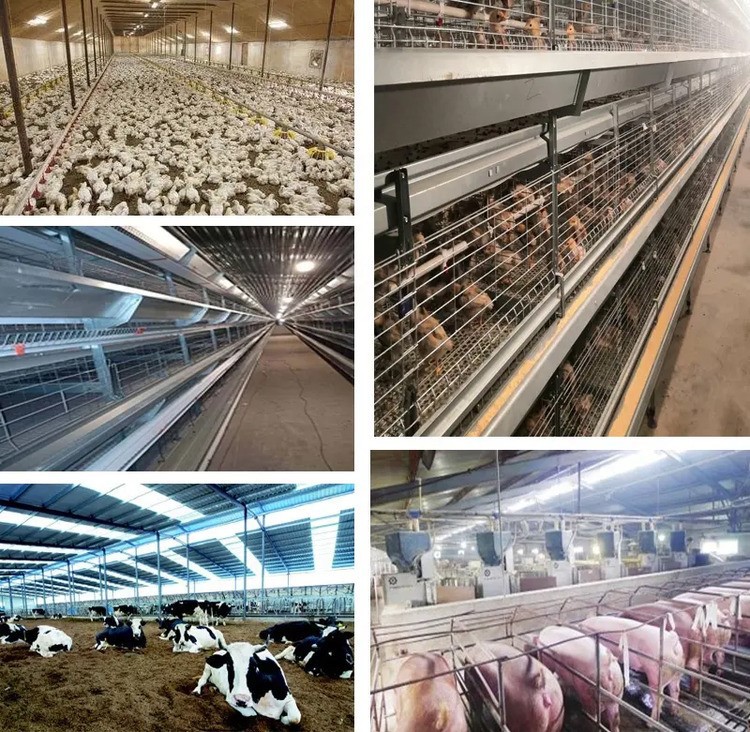
Due to its outstanding protective performance, the three-proof lamp is widely used in various indoor and outdoor places with harsh environments:
Industrial lighting: Factory workshops, assembly lines, warehouses, machine rooms, equipment rooms.
Commercial and public spaces: underground parking lots, supermarkets, gymnasiums, large cargo yards, car washes.
Outdoor and special environments: tunnels, bridges, squares, ports, docks, ships.
Damp and dusty areas: Food processing plants, breweries, chemical plants, sewage treatment plants, cold storage facilities.
Agricultural lighting: Livestock and poultry farms, greenhouse sheds.

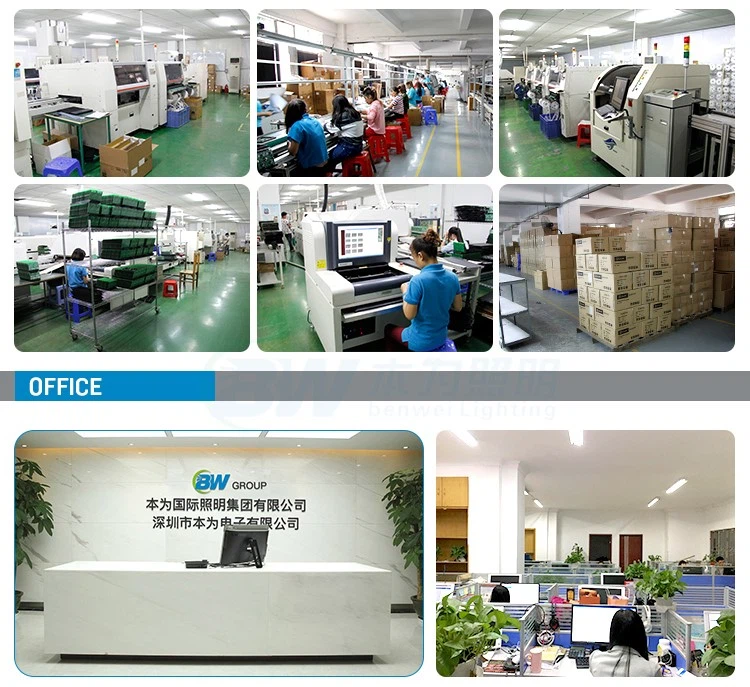
Our Company