

solar chicken coop heat light
POULTRY FARMING PROFESSIONAL LIGHTING
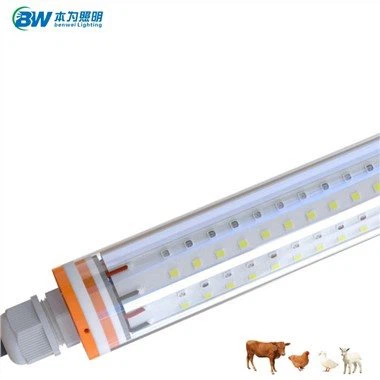
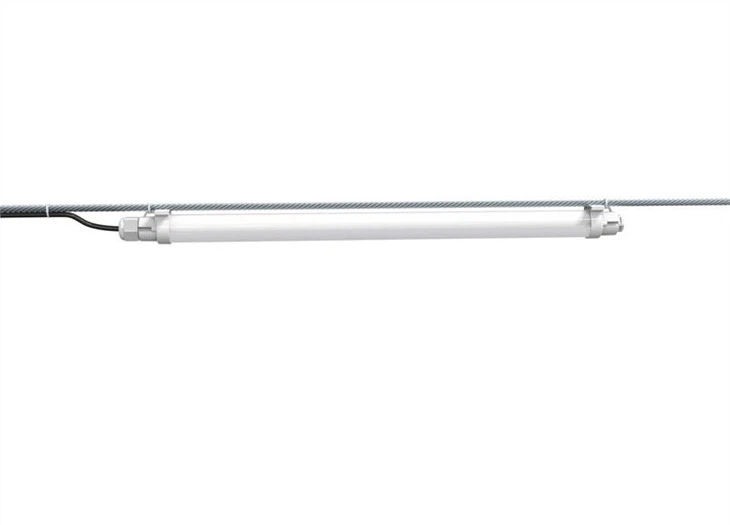
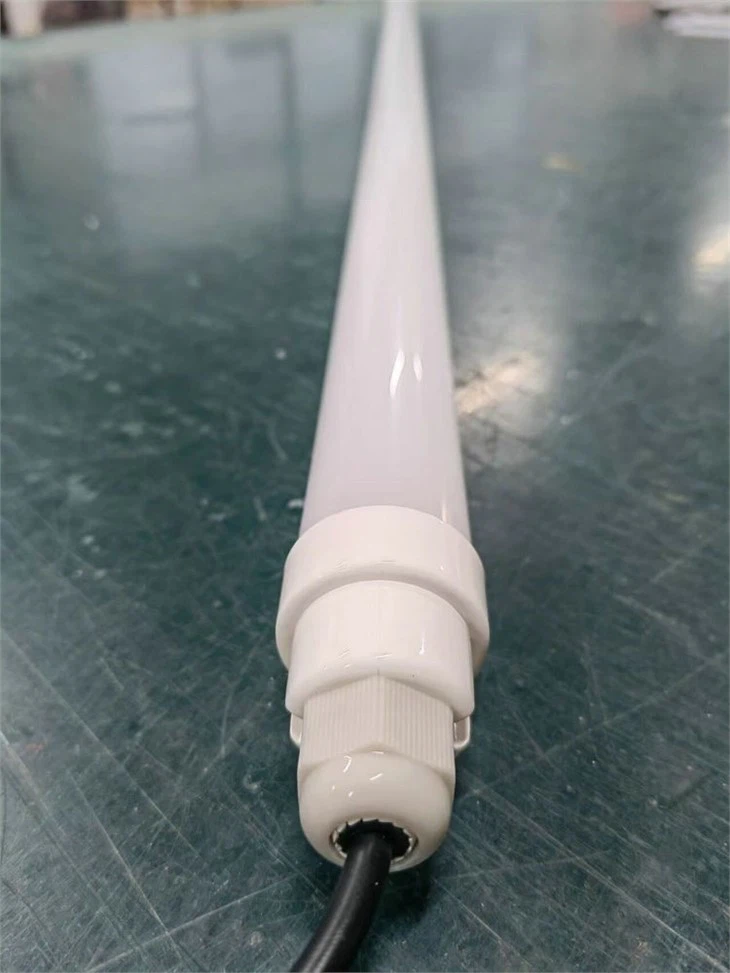
Another advancement in farm lighting is the 2V structure design. The 300° of light coverage provided by the Benwei T12 LED Tube in the poultry house removes shadows and dark spots, and the consistent lighting promotes the growth of healthy animals. It is designed to suit chicken's developmental demands, improve welfare, and promote uniform growth. It also has complete dimming capabilities. A retrofit option for contemporary poultry systems, the Benwei family of poultry lights serves as an animal welfare-friendly substitute for CFL and cold cathode lamps.
Product Specification:
chicken coop lighting for egg production
|
Power |
Dimension(MM) |
LED Quantity(PCS) |
|
9W |
600*26mm |
Epistar 2835/48PCS |
|
13W |
900*26mm |
Epistar 2835/72PCS |
|
18W |
1200*26mm |
Epistar 2835/96PCS |
|
24W |
1500*26mm |
Epistar 2835/120PCS |
|
36W |
2400*26mm |
Epistar 2835/384PCS |
Understanding poultry light biology and environment
As it affects the productive and reproductive activities of laying hens, light is a crucial component for their wellbeing. For delivering a steady, uniform light that honors the natural cycle of hours of light and hours of darkness, LED lighting solutions are excellent. In reality, photoperiod management is made possible by high frequency LED lighting without irksome light flickering. Flickering light, which is characteristic of incandescent lights, may harm laying hen welfare and have negative impacts including stress, anxiety, and lower production. In order to replicate the conditions seen in nature and hence promote animal development and regular egg laying, the light control system may therefore imitate dawn, sunset, and intensity fluctuations throughout the day.

Product Details for lighting for laying hens:

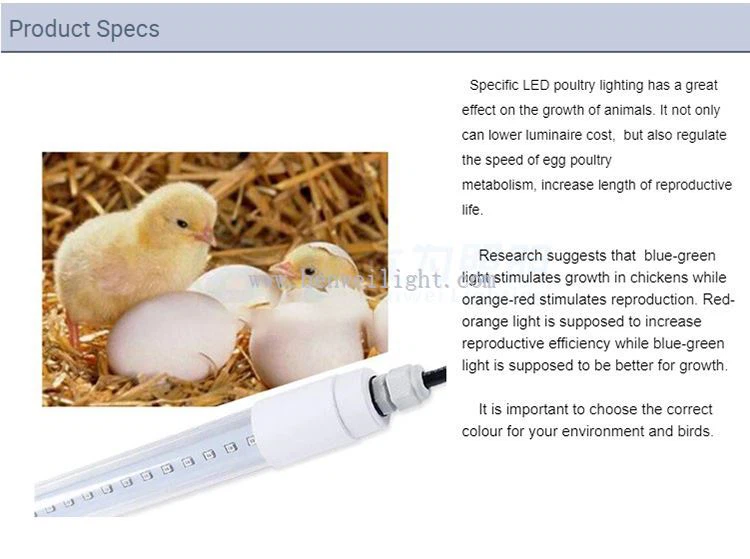
A laying hen's reaction to monochromatic light, or light that only has one hue, was compared in several extremely fascinating research using LED lights. The "white" light that we associate with the sun and try to replicate in our light bulbs is really a combination of all the hues. The researchers carefully measured egg size, shape, nutritional content, and output in several hen houses with LED lights set to green, red, blue, or white. It was discovered that the chickens solely exposed to green light developed eggshells that were more robust. Eggs laid by hens under blue light become more rounded. Comparatively, the group exposed to white light produced the biggest eggs, whereas the group exposed to red light produced smaller eggs but with a higher yield. The eggs' nutritional properties did not vary much from one another. According to other research, additional light for hens must be in the "warm" spectrum and include at least as much red as the other hues combined, if not more. For your gals, no "cool white" lighting!


Test report: