

Introduction
Industry Background of Anti-UV Yellow Industrial Lighting
Industrial anti-UV yellow lighting is customized to block all ultraviolet spectrum below 520nm, cutting off UVA, UVB and UVC radiation that causes photoresist failure, ink fading, wafer oxidation and chemical reagent deterioration. Unlike ordinary indoor lighting, workshop anti-UV lights require stable spectrum output, low luminous attenuation, 24/7 continuous operation adaptability and dust-proof electrical protection. For medium and large manufacturing factories, lighting replacement frequency, luminous stability and long-term operating cost directly affect production yield and plant operating profit.
Conventional yellow-coated T8 fluorescent tubes rely on mercury gas discharge to emit light, with external yellow filter coating to realize UV shielding. Restricted by discharge luminous principle and fragile glass structure, this type of tube has inherent drawbacks: rapid lumen drop under long-hour operation, high failure rate under voltage fluctuation, mercury hazardous material composition, and low dust resistance. Most manufacturing enterprises face monthly replacement workload and extra production loss caused by sudden tube burnout.
Research Scope & Evaluation Criteria
Control Group: Standard commercial T8 anti-UV yellow fluorescent tube, 18W, G13 base, glass body, factory default yellow filter coating, mainstream industrial bulk model.
Experimental Group: Premium Aluminum-Plastic Split T8 Anti-UV Yellow LED Tube, 18W equivalent brightness, 2:1 aviation aluminum+PC split housing, customized polymer UV-blocking lampshade, built-in isolated constant current driver, IP40 protection grade, the core selling product for global industrial export.
This comparison strictly follows IEC 62717 LED performance standard and IEC 60081 fluorescent lamp testing standard, focusing on three headline-defined indicators: overall operational lifespan, long-term luminous & structural loss, 5-year full-lifecycle comprehensive cost.

Lifespan Performance Comparative Analysis
Definition of Industrial Effective Lifespan
Industrial lighting adopts two unified lifespan judging standards: L70 lifespan (time when lumen output drops to 70% of initial brightness, industrial usable limit) and full burnout lifespan (complete circuit failure unable to light up). Different from household lighting, factory 24/7 non-stop operation accelerates luminous component aging, making effective industrial lifespan far shorter than laboratory nominal data.
Most fluorescent suppliers mark 15,000-hour nominal lifespan on product labels, which is tested under intermittent switch laboratory conditions. Under 24-hour continuous workshop operation, frequent startup current impact and ambient dust heat aggregation greatly shorten its actual service cycle. LED tubes adopt solid-state semiconductor luminous technology, free from gas aging and startup current impact, realizing consistent lifespan under continuous operation mode.
Lifespan Data Comparison of Two Anti-UV Tubes
1) Anti-UV Yellow Fluorescent Tube: Laboratory nominal L70 lifespan 12,000-15,000 hours; on-site workshop actual L70 lifespan only 7,500-9,000 hours. After reaching this cycle, yellow filter coating fades unevenly, partial UV leakage occurs, failing cleanroom anti-UV inspection standards.
2) Aluminum-Plastic T8 Anti-UV LED Tube: Standard L70 lifespan up to 50,000 hours verified by third-party aging test; on-site 24/7 operating effective lifespan stably reaches 48,000 hours. The integrated polymer yellow lampshade will not generate spectral attenuation, maintaining 100% below-520nm UV blocking ability throughout the whole usage cycle.
Fluorescent tube main failure causes: electrode oxidation, mercury gas consumption, ballast burnout, glass tube air leakage. Average full burnout cycle: 10,000 hours, 3-4 replacements required annually for continuous production lines.
Aluminum-plastic LED tube main failure causes: almost no spontaneous failure under standard grid voltage. Reinforced aluminum heat dissipation structure avoids chip thermal burnout; isolated driver supports overvoltage, overcurrent and short-circuit protection. Average full burnout lifespan: 50,000 hours, only one replacement needed every 5-6 years for fixed workshop lighting.
Structural Factor Affecting Lifespan Difference
Fluorescent full-glass body has passive natural heat dissipation, internal operating temperature reaches 62℃, accelerating coating aging and gas attenuation. Aluminum-plastic LED tube adopts split aviation aluminum back shell centralized heat dissipation, lowering internal chip operating temperature to 38℃, reducing thermal aging rate by 60% fundamentally.
Glass fluorescent tube is fragile, vibration from production equipment causes tube cracking and circuit breakage. Aluminum+PC composite housing features bending resistance and shock resistance, adapting to mechanical vibration environment of assembly factories, eliminating accidental damage lifespan loss.
Luminous Loss & Structural Loss Comparative Analysis
Classification of Tube Operational Loss
Lumen loss refers to irreversible brightness drop in long-term operation, requiring factories to increase lighting quantity to guarantee workshop illuminance, indirectly raising energy cost. It is the most hidden long-term loss for anti-UV lighting projects.
Functional loss includes UV shielding efficiency decline, stroboscopic flicker, color temperature deviation; structural loss contains coating peeling, tube body deformation, end cap aging, dust ingress caused by insufficient protection grade, all affecting production qualification rate.
Quantitative Light Attenuation Loss Comparison
1) Anti-UV Yellow Fluorescent Tube: ≤12% lumen loss after 3000-hour operation; ≤32% lumen loss after 10,000-hour operation. Severe uneven dimming appears, local UV transmittance rises from 0% to 12%-18%, leading to photoresist exposure failure.
2) Aluminum-Plastic T8 Anti-UV LED Tube: ≤5% lumen loss after 3000-hour continuous operation; ≤15% lumen loss after 10,000-hour operation. Uniform whole-tube luminous output, zero local light attenuation, permanent UV filtering performance without spectral loss.
Traditional fluorescent tubes generate low-frequency stroboscopic loss under unstable industrial voltage, triggering visual fatigue and affecting manual precision operation. Meanwhile, discharge spectrum drifts with mercury consumption, changing yellow light wavelength. The aluminum-plastic LED tube adopts constant-current non-flicker drive, fixed 520nm cut-off spectrum, zero spectrum drift loss in whole service life.
Protection Grade & External Environmental Loss
Anti-UV yellow fluorescent tube: IP20 basic protection grade, large gap at lamp end, workshop floating dust, ink particles and chemical fine powder easily enter glass inner cavity, attaching on fluorescent powder and yellow coating to aggravate luminous loss.
Aluminum-plastic split T8 LED tube: Whole-body standardized IP40 dust-proof protection grade, fully isolating industrial particulate pollutants, protecting internal LED chips and drive circuits, reducing pollution-caused luminous loss by 90%.
Fluorescent outer yellow coating is solvent-based paint, easy to peel off under chemical volatile gas corrosion. The product adopts V0 flame-retardant integrated extrusion PC yellow lampshade, integrated molding without surface coating, anti-corrosion, anti-oxidation, zero UV shielding function loss in chemical workshop atmosphere.
5-Year Full-Lifecycle Comprehensive Cost Comparison
Cost Accounting Dimension Definition
Unit procurement cost, daily industrial electricity consumption cost, accessory matching cost (ballast, starter, fixed bracket replacement cost).
Manual installation & maintenance labor cost, production downtime loss caused by sudden tube burnout, hazardous waste disposal cost, product scrap loss caused by UV leakage and light decay.
Itemized Cost Data Comparison (Per Single 18W Equivalent Tube, 24h Daily Operation)
Fluorescent tube: Low unit purchase price, but external electronic ballast and starter are mandatory supporting parts; accessories need annual replacement. 5-year total procurement + accessory cost: $21.8 per tube.
Aluminum-plastic LED tube: Slightly higher initial unit cost, built-in integrated driver, plug-and-play with original G13 bracket, no extra ballast or starter needed. 5-year total procurement + accessory cost: $16.2 per tube, no secondary accessory investment.
Same effective anti-UV illuminance output: 18W fluorescent actual operating power 22W with ballast power consumption; 18W LED rated stable operating power 17W. Calculated by industrial average electricity price $0.12/kWh, the LED tube saves 65% electricity consumption yearly, reaching $14.7 electricity saving per single tube annually.
Fluorescent tube: Requires 5-6 times replacement within 5 years; contains mercury requiring classified hazardous waste disposal; frequent burnout leads to temporary lighting outage and workpiece scrap. 5-year hidden comprehensive loss: $38.5 per tube.
Aluminum-plastic LED tube: Zero replacement within 5 years; mercury-free eco-friendly material, common recyclable waste treatment; stable operation without sudden failure, zero UV-caused workpiece scrap. 5-year hidden comprehensive loss: $4.1 per tube.
Final 5-Year Total Cost of Ownership Conclusion
Total 5-year TCO of anti-UV yellow fluorescent tube: $82.1 per unit
Total 5-year TCO of aluminum-plastic T8 anti-UV LED tube: $35.0 per unit
Data conclusion: Upgrading to aluminum-plastic split LED tube cuts overall anti-UV lighting comprehensive cost by 57.4% for industrial enterprises.
Comprehensive Conclusion & Industrial Procurement Suggestion
Core Comparative Result Summary
Aluminum-plastic T8 anti-UV LED tube owns 5.3 times actual usable lifespan compared with traditional yellow fluorescent tube, stable anti-UV performance covering long operation cycle, no frequent iteration replacement demand.
The LED product realizes 53% lower long-term lumen attenuation, IP40 upgraded dust protection eliminates environmental structural loss, fixed spectrum output removes UV leakage functional loss, greatly lowering production quality risk.
Despite slightly higher initial purchase price, the aluminum-plastic LED tube achieves massive savings in electricity, maintenance, waste disposal and production scrap cost, with obvious long-term economic advantages for continuous-operation industrial plants.
Target Application Procurement Advice
PCB photolithography workshops, printing plate-making factories, semiconductor cleanrooms, long-hour laboratory reagent rooms are suggested to fully replace fluorescent tubes with aluminum-plastic split anti-UV T8 LED tubes, maximizing lifespan and cost benefits.
For small-batch intermittent-use light-sensitive spaces, enterprises can complete gradual replacement according to old fluorescent tube aging schedule, realizing zero-bracket-modification plug-and-play upgrade with compatible G13 base design.
Future Industrial Anti-UV Lighting Trend
Global industrial environmental protection regulations and factory yield management standards are increasingly strict. Mercury-containing fluorescent anti-UV tubes will be gradually phased out in European, American and Southeast Asian industrial markets. Split aluminum-plastic structural LED anti-UV lights will become the standard configuration of light-sensitive industrial lighting, relying on ultra-low loss, ultra-long lifespan and low full-lifecycle cost.
How To Cooperate With Us?
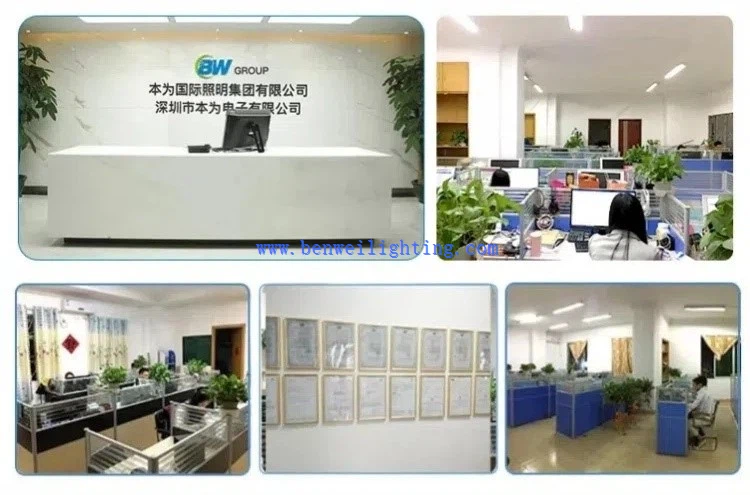
Having its own factory gives our firm complete control over the production process and the quality of our goods, which we take great pride in. We are manufacturers, not only brokers, committed to offering our clients the lowest costs. We invite consumers to evaluate our samples first since we are certain that the cost and quality of our items are evident. Our dedication to excellence and client happiness motivates us to consistently provide superior products.
Our address
3rd Floor, 5th Building, Hebei Industrial Park, Hualian Community, Longhua District, Shenzhen, China





