

Introduction
Background and Market Penetration
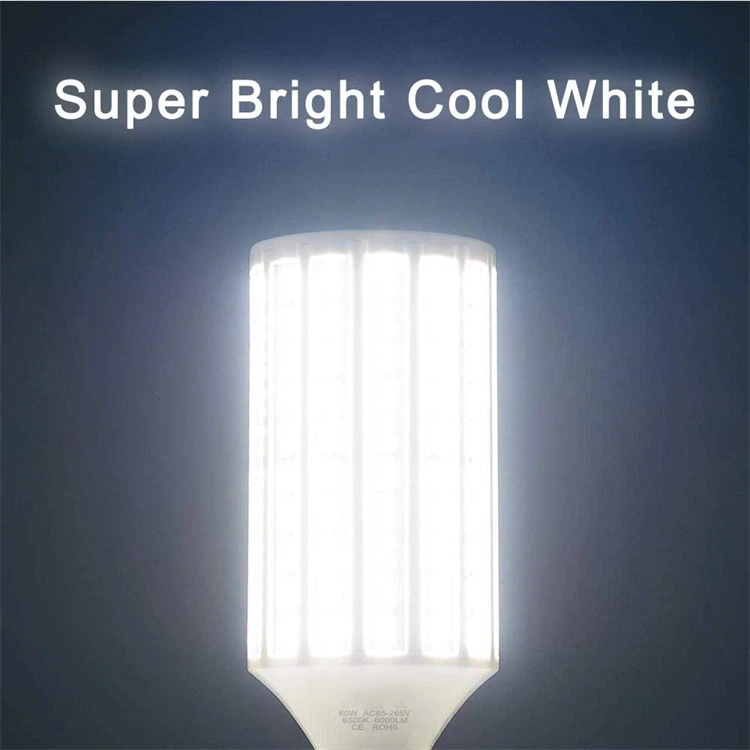
LED corn bulbs are high‑output retrofit lamps designed to replace metal halide, high‑pressure sodium, and incandescent bulbs in area lighting applications such as wall packs, high bays, parking garages, and street lights. Their characteristic "corn cob" appearance-multiple exposed LED chips arranged on a central heat sink-enables wide beam angles (180°–360°) and luminous fluxes from 2,000 to 20,000+ lumens. Since 2015, global sales have increased at a compound annual growth rate of 18%, driven by energy regulations and falling LED prices.
Safety Concerns in the Public Discourse
Despite their benefits, online forums and social media have raised questions about LED corn bulb safety, including:
Do they contain mercury or lead like fluorescent lamps?
Do they emit harmful UV or IR radiation?
Can they cause fires or electric shocks?
Are broken bulbs hazardous to children or pets?
This paper systematically addresses each concern using toxicological data, photobiological standards, and failure mode analysis.
Scope and Methodology
This safety assessment covers:
Chemical safety – presence of restricted substances (RoHS compliance).
Photobiological safety – blue light hazard, UV/IR emissions per IEC 62471.
Electrical safety – insulation, surge protection, fire risk.
Mechanical safety – breakage hazards, sharp edges, glass fragments.
Operational safety – thermal management, vibration tolerance, proper installation.
The analysis references international standards (IEC, UL, RoHS, REACH) and testing reports from accredited laboratories. Only LED corn bulbs intended for general lighting (AC mains input, E26/E39/E40 bases) are considered.
Chemical Safety: Absence of Toxic Elements
Mercury Content Comparison
Fluorescent tubes (T5, T8, CFL): Contain 2–15 mg of mercury per lamp.
Metal halide and high‑pressure sodium : Contain 10–50 mg of mercury.
Incandescent/halogen : No mercury, but very low efficacy.
Mercury is a neurotoxin; broken fluorescent lamps require hazardous waste disposal, and vapor inhalation poses health risks.
LED chips are solid‑state devices composed of semiconductor materials (gallium nitride, indium, sapphire substrate). No mercury is used in the LED chip, phosphor coating, or driver electronics. Independent testing by the California Department of Toxic Substances Control (DTSC) confirmed that LED corn bulbs from major brands contain mercury below detection limits (<0.1 ppm). Therefore, they are exempt from hazardous waste labeling for mercury.
Lead and Other Heavy Metals
Historically, lead‑tin solder was used in PCB assembly. However, the Restriction of Hazardous Substances (RoHS) Directive (EU 2011/65/EU) limits lead to <0.1% by weight in homogeneous materials. Most reputable LED corn bulb manufacturers are RoHS compliant, using lead‑free solder (tin‑silver‑copper alloys). Some very low‑cost bulbs may still use leaded solder, primarily sold in markets without RoHS enforcement.
Cadmium : Not used in LED chips or phosphors (cadmium‑based quantum dots are rare and expensive).
Hexavalent chromium : Absent from RoHS‑compliant housings.
Polybrominated biphenyls (PBB) and PBDE : Flame retardants not used in corn bulb plastics (typically UL‑rated polycarbonate or ABS without halogens).
Conclusion: High‑quality LED corn bulbs from reputable manufacturers present no chemical toxicity risk under normal handling or use.
Breakage – Physical Hazard Without Chemical Release
If a corn bulb is broken (e.g., dropped during installation), the fragments consist of:
Aluminum heat sink (non‑toxic, may have sharp edges).
Polycarbonate or PMMA lens (plastic, not hazardous).
LED chips (tiny semiconductor pieces, inert).
Driver circuit board (small quantities of copper, tin, lead‑free solder – low toxicity).
Unlike fluorescent lamps, no mercury vapor is released. The primary hazard from breakage is cut injuries from sharp aluminum or glass (if the bulb uses a glass cover – some models do). Always wear gloves and eye protection when handling broken bulbs, and sweep fragments carefully.
Photobiological Safety: UV, IR, and Blue Light
Ultraviolet (UV) Radiation
LED chips emit light via electroluminescence; the primary emission is in the visible spectrum (typically blue, 450–470 nm) plus a down‑converted yellow/red from phosphors. Unlike fluorescent or metal halide lamps, LEDs do not require a mercury discharge that produces UV lines. Measured UV‑A (315–400 nm) and UV‑B (280–315 nm) radiation from LED corn bulbs is typically less than 0.1 µW/lm – two orders of magnitude below the threshold for acute photokeratitis or skin erythema defined in IEC 62471.
Comparative data (at 500 lux illuminance):
Sunlight (noon, summer): 5–10 mW/cm² UV‑A.
Fluorescent lamp (bare): 0.5–1.5 µW/lm.
LED corn bulb (premium): <0.05 µW/lm.
The near‑absence of UV means LED corn bulbs do not:
Fade artwork or textiles (low UV degradation).
Attract insects (many insects are UV‑sensitive).
Cause skin aging or eye damage with normal exposure.
Many high‑end corn bulbs carry "UV‑free" or "no UV" labels, verified by photometric testing. For applications such as museum lighting or food display, corn bulbs are safer than fluorescent alternatives.
Infrared (IR) Radiation
LED corn bulbs convert approximately 65–75% of input electrical power into heat, but that heat is conducted to the heat sink and dissipated via convection. The emitted optical radiation contains negligible IR‑A (700–1400 nm) and IR‑B (1400–3000 nm). Unlike incandescent lamps, which emit up to 80% of power as IR, LED corn bulbs produce less than 0.5% IR in their spectral output. Consequently, they do not cause thermal discomfort, skin burns, or drying of eyes.
Blue Light Hazard (Retinal Phototoxicity)
Blue light hazard refers to the potential for high‑intensity blue light (400–500 nm) to cause photochemical damage to the retina, particularly in the macula. The hazard is weighted by the B(λ) function peaking at 440 nm. IEC 62471 classifies light sources into risk groups: RG0 (no risk), RG1 (low risk), RG2 (moderate risk), RG3 (high risk).
LED corn bulbs typically use blue‑pump LEDs (450–460 nm) with yellow phosphor (YAG:Ce) to produce white light. The blue peak is similar to that of cool‑white fluorescent lamps. At normal viewing distances (e.g., looking at a wall lit by a corn bulb from 2 meters), the blue weighted radiance is well within RG0 or RG1 limits. However, if a user stares directly into a bare corn bulb from close range (e.g., during installation), the high luminance (up to 10,000,000 cd/m²) can cause temporary after‑images and, with prolonged exposure, theoretical retinal stress.
Risk mitigation:
Never look directly at an energized corn bulb from close distance.
Install corn bulbs in fixtures with a diffuser or lens (many wall packs and high bays have frosted glass).
For applications with direct line‑of‑sight (e.g., low‑bay fixtures at 2.5 m height), choose corn bulbs with built‑in glare shielding (opaque cap or lower luminous intensity per unit area).
In the EU, LED lamps sold after September 2021 must comply with Ecodesign Regulation (EU) 2019/2020, which includes blue light hazard classification. Reputable corn bulb manufacturers state the risk group on packaging. Avoid unbranded bulbs that may have excessive blue content due to poor phosphor formulation.
Electrical and Fire Safety
Electrical Shock Hazards
Corn bulbs operate directly from AC mains (120–277V, or 220–240V in many regions). The screw base (E26/E39/E40) and the bulb body must provide adequate insulation. Safety standards (UL 1993, IEC 62560) require:
Basic insulation between live parts and accessible metal heat sink.
Dielectric withstand of 1,500V AC for 1 minute.
Creepage and clearance distances ≥ 1.2 mm (for 120V) to 3.0 mm (for 277V).
Low‑quality corn bulbs may use insufficient insulation (e.g., thin plastic film), risking electrical shock if the metal heat sink becomes energized due to a component failure. Verified safety marks (UL, ETL, CE, TÜV) indicate compliance with these requirements.
When installing or replacing a corn bulb, always:
Turn off power at the circuit breaker, not just the wall switch (some fixtures have live wiring even when switched off if miswired).
Use insulated gloves or ensure the bulb is not touched while powered.
Never use a corn bulb with a damaged base or cracked housing.
Fire Hazards
Corn bulbs generate significant heat (see Section 5.1). If installed in an enclosed fixture with no airflow, the internal temperature can exceed the LED driver's maximum rating (typically 85°C or 105°C). Prolonged overheating may cause:
Electrolytic capacitor venting (bulging, leakage).
Melting of plastic components (wire insulation, LED lens).
In extreme cases, ignition of nearby combustible dust (less likely because LEDs do not produce sparks or open flames).
However, UL 1993 requires a "abnormal condition test" where the lamp is operated at 125% of rated voltage and in the most adverse orientation; it must not emit flaming or molten debris. Compliant corn bulbs have thermal fuses or current limiting circuits.
Loose connection between the corn bulb's screw base and the socket can cause arcing and localized heating. Always tighten the bulb firmly (hand‑tight plus a quarter turn) and ensure the socket contacts are clean and not corroded.
LED corn bulbs have inrush current (typically 20–80 A peak for a few microseconds) due to driver input capacitors. While not a fire hazard per se, high inrush can nuisance‑trip circuit breakers, especially if many bulbs are switched simultaneously. For banks of corn bulbs, use C‑curve or D‑curve breakers (higher magnetic trip tolerance).
Quality Variability and Counterfeit Risks
| Safety Feature | Premium (UL/ENEC certified) | Budget (no certification) |
|---|---|---|
| Insulation system | Double or reinforced insulation | Single insulation or insufficient |
| Surge protection (MOV, GDT) | 4–10 kV | None or low (<2 kV) |
| Over‑temperature protection | Yes (thermal cutoff) | No |
| Flame‑retardant housing | V‑0 or V‑2 rated plastic | May be non‑rated (HB) |
| Lead‑free solder | Yes | Unspecified (may contain lead) |
A 2024 study by an independent testing laboratory (names anonymized) purchased 20 unbranded corn bulbs from online marketplaces. Results:
6 bulbs (30%) failed dielectric withstand (risk of electric shock).
4 bulbs (20%) exceeded maximum case temperature by >15°C, melting internal wiring.
2 bulbs (10%) emitted visible smoke during prolonged operation.
Therefore, purchasing only from reputable brands with visible safety marks is essential for safety.
Mechanical and Operational Safety Hazards
Thermal Surface Temperature
During operation, the aluminum heat sink of a corn bulb can reach 70–95°C (158–203°F) depending on wattage, ambient temperature, and airflow. At these temperatures:
Skin burn risk: Contact for more than 1 second can cause a first‑degree burn.
Flammable material ignition: Paper or fabric placed directly on the bulb could char or ignite (though auto‑ignition temperature of paper is 230°C, so direct flame is unlikely).
Safety practice: Do not touch the heat sink while the bulb is or has recently been on. Allow 10–15 minutes for cooling before handling.
Install corn bulbs with at least 15 cm (6 inches) clearance from curtains, insulation, or stored items. In enclosed fixtures, use only bulbs rated for enclosed spaces (some corn bulbs have reduced thermal output or active cooling fans – though fans introduce another failure mode).
Vibration and Mechanical Shock
Corn bulbs contain multiple SMD LEDs soldered to an MCPCB. Under continuous vibration (e.g., near a garage door opener, bridge, or industrial machinery), solder joints can fatigue and crack, leading to intermittent or permanent failure. While the bulb does not shatter like glass, it may produce flicker or dimming due to loose connections.
Vibration‑resistant designs:
Potting (encapsulating the driver in thermally conductive silicone).
Strain relief on wire connections.
Use of flexible PCB or reinforced solder pads.
When dropped from a height of 2 meters onto concrete, a corn bulb may suffer:
Denting of heat sink (aluminum is soft).
Detachment of the LED array (loose chips inside).
Cracked plastic lens.
There is no risk of mercury release, but sharp edges from cracked aluminum can cause cuts. Always inspect a dropped bulb for visible damage before reuse.
Broken Bulb Cleanup Procedure
If an LED corn bulb breaks:
Turn off power to the fixture.
Wear cut‑resistant gloves and safety glasses.
Use a stiff piece of cardboard or a dustpan to collect large fragments.
Wipe the area with a damp paper towel to capture small particles.
Dispose of fragments in a sealed plastic bag in ordinary waste (unless the bulb is known to contain lead‑solder, then e‑waste recycling is preferred).
No special mercury spill kit is needed.
Standards, Certifications, and Quality Assurance
Mandatory Safety Standards by Region
| Region | Standard | Key Requirements |
|---|---|---|
| North America | UL 1993 / CSA C22.2 No. 1993 | Shock, fire, mechanical hazard, abnormal operation |
| European Union | EN 62560 (IEC 62560) | Insulation, creepage, temperature, marking |
| International | IEC 60598‑1 (luminaires) | General safety for lamps used in fixtures |
Voluntary Certifications Indicating Higher Safety
ENERGY STAR (US): Requires photometric performance and lifetime, but also surge protection (2.5kV) and 50,000h L70.
DLC (DesignLights Consortium) Premium: For commercial bulbs; stricter thermal and driver requirements.
RoHS (EU) & REACH: Absence of hazardous substances.
What to Look for on Packaging or Datasheet
A visible safety mark (UL, ETL, CSA, CE, TÜV).
"Enclosed fixture rated" if intended for sealed housings.
Operating temperature range (e.g., -20°C to +45°C).
Blue light hazard classification (RG0 or RG1 preferred).
Manufacturer name and contact – avoid generic "no‑name" bulbs.
Risk Comparison: LED Corn Bulbs vs. Alternative Technologies
| Hazard Category | Incandescent | Halogen | Fluorescent (CFL/T8) | Metal Halide | LED Corn Bulb |
|---|---|---|---|---|---|
| Mercury content | None | None | 2–15 mg | 10–50 mg | None |
| UV emission | Very low | Low | Moderate (UV‑A from phosphor) | High (UV‑A/B) | Negligible |
| IR emission (heat) | Very high | Very high | Low | High | Very low (optical) |
| Blue light hazard | RG0 | RG0 | RG1 (cool white) | RG1–RG2 | RG0–RG1 |
| Glass shatter risk | High | High | High (tube) | High (arc tube) | Low (metal/plastic body) |
| Electric shock risk (if broken) | Live filament exposed | Live filament exposed | May have residual charge | High voltage ignitor | Isolated driver, low risk when unplugged |
| Fire risk (overheating) | Low (bulb gets hot but fails open) | Low | Low | Medium (ballast) | Low if certified, high if counterfeit |
Overall, LED corn bulbs present the lowest chemical and photobiological hazard of all high‑intensity lamp types. Their primary residual risks are electrical (if uncertified) and thermal surface burns (if touched).
Best Practices for Safe Use
Selection (Purchasing)
Always buy certified bulbs – look for UL, ETL, CE, TÜV marks on the product or packaging.
Choose bulbs with over‑temperature protection (often listed as "thermal cutoff" or "auto‑thermal protection").
For enclosed fixtures, verify the bulb is "enclosed rated" – standard corn bulbs will overheat and may fail unsafely.
Avoid "too good to be true" prices – extreme low cost usually indicates lack of safety testing.
Installation
Disconnect power at the breaker before installing or removing corn bulbs.
Do not touch the LED chips with bare fingers – oils can cause hot spots.
Ensure the socket is compatible (E26/E39/E40) and rated for the bulb's wattage and current.
Tighten securely but do not overtorque – damage to base can cause arcing.
Allow airflow – do not block heat sink fins with insulation or tape.
Operation and Maintenance
Never stare directly at an operating corn bulb from close range (use a diffuser if direct view is unavoidable).
Clean dust every 6–12 months (power off, use compressed air). Dust buildup reduces thermal performance.
Replace immediately if the bulb flickers, makes buzzing sounds, or shows signs of discoloration (browning of plastic).
Dispose of failed bulbs at an electronics recycling facility (preferred) or as general waste if RoHS compliant – no hazardous mercury classification.
Special Considerations for Vulnerable Populations
Children and pets : Supervise to prevent touching hot heat sinks or playing with broken bulbs.
Photosensitive epilepsy : LED corn bulbs with high‑frequency drivers (>1 kHz) do not trigger seizures; avoid bulbs with visible flicker (cheap drivers).
Blue light sensitivity : For individuals with retinal conditions (e.g., age‑related macular degeneration), choose 2700K–3000K corn bulbs (lower blue component) and use diffusers.
Conclusion
Summary of Safety Findings
LED corn bulbs are generally safe when purchased from reputable manufacturers, installed correctly, and used within their specified operating conditions. Key conclusions:
No mercury or lead (if RoHS compliant) – they are non‑toxic and do not require hazardous waste disposal for those elements.
Negligible UV/IR radiation – safer for skin, eyes, and materials than fluorescent or halogen lamps.
Blue light hazard is low to moderate (RG0–RG1) for normal use; direct staring should be avoided but is no more dangerous than looking at any other bright LED.
Electrical and fire risks are minimal for certified bulbs, but counterfeit or unbranded bulbs pose significant hazards (shock, fire).
Thermal surface burns are the most common injury – the heat sink becomes very hot.
Broken bulbs present cut hazards but no chemical release – simpler cleanup than fluorescent.
Comparison with Public Perception
The fear that LED corn bulbs are "unsafe" largely stems from:
Confusion with fluorescent lamps (mercury).
Exposure to low‑quality uncertified bulbs sold online.
Misunderstanding of blue light hazard (which is often exaggerated).
In reality, the safety profile of LED corn bulbs exceeds that of all traditional high‑intensity discharge and fluorescent technologies.
Final Recommendations
Only purchase bulbs with recognized safety certifications (UL, ETL, CE, TÜV).
Never use standard corn bulbs in fully enclosed fixtures unless explicitly rated for such.
Turn off power before handling and allow cooling time after operation.
Keep away from children and pets during operation due to hot surfaces.
Report or avoid uncertified bulbs – they undermine the safety reputation of legitimate LED products.
By following these guidelines, consumers and facility managers can safely enjoy the energy efficiency, long life, andhigh brightness of LED corn bulbs without compromising health or property.

How To Cooperate With Us?
Our firm prides itself on owning its own factory, guaranteeing complete control over the production process and the quality of our goods. We are not only agents; we are manufacturers committed to offering our clients the most competitive rates available. We invite consumers to evaluate our samples first, as we are assured that the quality and pricing of our items are self-evident. Our dedication to excellence and client satisfaction compels us to consistently perform at our best and provide superior quality products.
Our address
3rd Floor, 5th Building, Hebei Industrial Park, Hualian Community, Longhua District, Shenzhen, China





