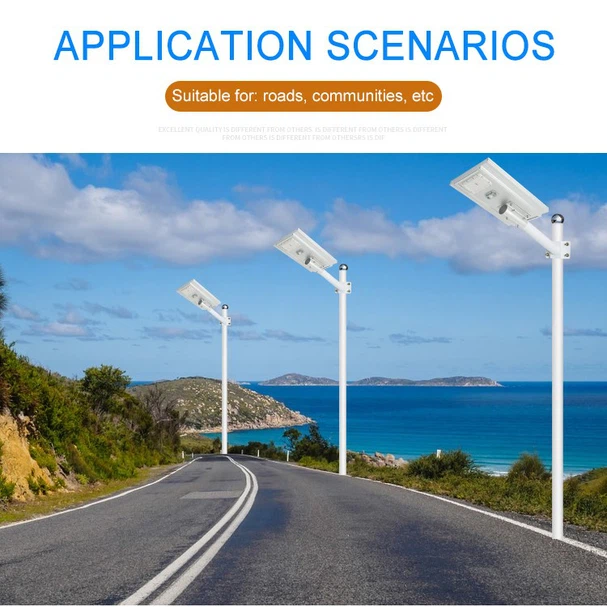
LED streetlights have been widely adopted throughout the world due to their energy-saving and long-lasting benefits. However, recent concerns have been raised about their potential harm to human health and the environment. This article aims to provide an overview of these concerns and explore the current state of research on the topic.
One of the primary concerns about LED streetlights is their potential harm to human health. Specifically, some studies have suggested that prolonged exposure to blue light emitted by LED lights can disrupt circadian rhythms and suppress the natural production of melatonin, which can negatively affect sleep quality and overall health. This has led to worries about an increase in sleep disorders, such as insomnia, among people living near LED streetlights.
Furthermore, LED streetlights have been reported to cause glare, which can be discomforting and dangerous for drivers and pedestrians. The intense brightness of LED lights can also cause visual fatigue and reduce safety for motorists or cyclists. The heat generated by LED lights can also damage surrounding plants and trees, altering their growth patterns and potentially leading to an ecological imbalance.
However, it is important to note that there is still much debate surrounding the degree of harm caused by LED streetlights. Some studies have suggested that the overall impact on human health and the environment is minor, while others insist on the potential hazards.
To date, much of the research on LED streetlights has focused on the physical effects rather than the psychological implications. Studies are required to explore the psychological effects on outdoor lighting, such as selecting the preferred color temperature of LED light that is consistent with people's visual needs, and reducing the intensity of blue light in streetlights. In that regard, several municipalities have started experimenting with adjusting the color temperature of streetlights to address this issue.
In conclusion, while LED streetlights offer many benefits in terms of energy savings, longevity, and lower costs, the potential for harm should not be ignored. Research is ongoing to determine the extent of their harmful effects, and steps can be taken to mitigate potential risks. As technology improves, it is necessary to continue exploring ways to minimize the risks and maximize the benefits of LED streetlights.