

Street lights that are powered by solar energy have become an increasingly popular option for lighting roadways, parking lots, and other outdoor spaces as the use of renewable energy sources has grown more widespread. In comparison to conventional grid-powered lighting systems, they provide a number of benefits, including cheaper monthly energy expenditures, decreased maintenance requirements, and a less effect on the environment. Nevertheless, are solar street lights able to be adapted to a variety of environments and locations? Yes, it is the solution, and I will explain why.
In the first place, solar street lights may be fabricated to conform to a wide range of configurations and requirements. Depending on the shade and direction of the site, the solar panels may be erected either on top of the light pole or independently on a neighbouring pole or roofs. Both of these potential locations are available. It is possible to personalise the light fixtures in terms of brightness, colour temperature, and beam angle in order to cater to the exact requirements and preferences of the individuals who will using them. In order to guarantee that there is adequate backup power, the capacity of the battery may also be modified according to the weather conditions and consumption patterns of the respective area.
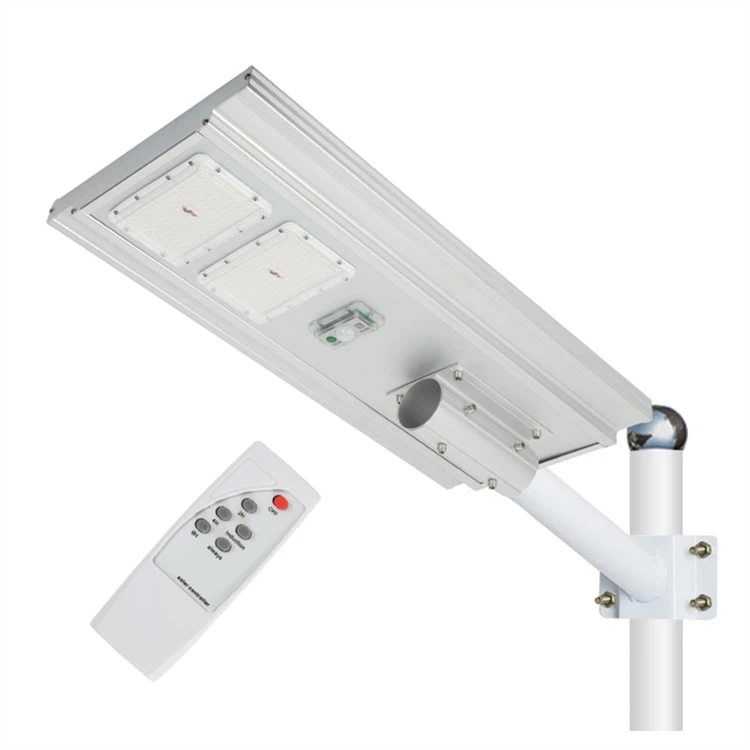
Solar street lights are able to be deployed in a variety of various places. It is perfect for regions that are off-grid and isolated, such as rural roads, parks, and campsites, where there is no power infrastructure accessible or is not practical to construct electrical infrastructure. Additionally, they may be used in highly populated metropolitan locations, such as city streets, public squares, and bus stations, where there is a significant need for illumination and frequent power outages. The versatility of solar street lights allows them to be adapted to a broad variety of applications, including the illumination of roadways and bike lanes, as well as the illumination of security and ornamental areas.
Street lights powered by solar energy may be combined with other technologies to provide much improved functionality and performance. Some solar street lights, for instance, are equipped with sensors that can detect motion, sound, or temperature and modify the brightness and operating mode appropriately. This may help conserve energy and minimise the amount of light pollution that is produced. It is possible to link more solar street lights to a centralised monitoring and control system. This system offers real-time status updates, remote diagnostics, and predictive maintenance, all of which have the potential to increase the lighting system's dependability and efficiency.
Because of its versatile design, broad range of applications, and possibility for integration, solar street lights are able to be adapted to a variety of settings and places. Not only are they kind to the environment, but they are also economical and dependable, which makes them an excellent choice for lighting in a variety of outdoor spaces. When contemplating the installation of solar street lights, it is imperative that you seek the advice of a knowledgeable supplier or installer who can assist you in selecting the most suitable alternatives and configurations for your specific requirements.





