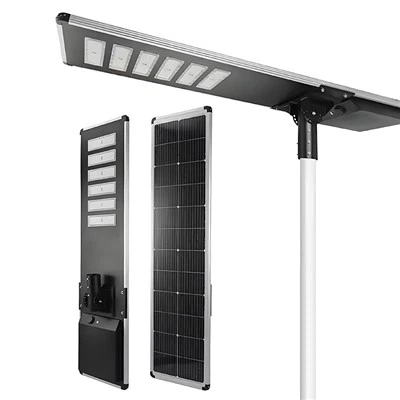
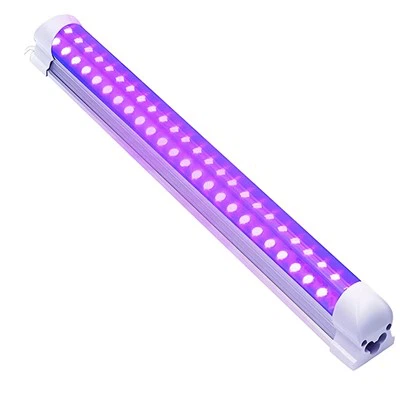
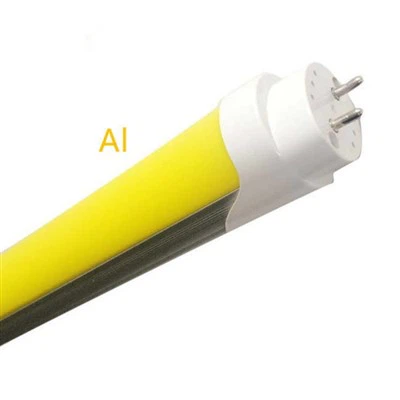
Illumination is a crucial aspect of work zone safety for both roadway workers and motorists. Roadway work zones are dynamic, high-risk environments that combine active traffic flow, ongoing construction tasks, and constantly changing outdoor conditions, making on-site safety control extremely challenging. Among all safety management measures, lighting serves as the most fundamental defensive line that supports safe operations and smooth traffic passage around the clock. Proper illumination enhances visibility and reduces the risk of collisions and accidents by eliminating visual blind spots, clarifying work zone boundaries, and highlighting potential hazards for everyone on site and on the road. Insufficient or improperly installed lighting can lead to obscured obstacles, unclear traffic cues, delayed hazard responses, and misjudgments from both workers and passing drivers, which greatly elevates the likelihood of rear-end collisions, pedestrian-vehicle crashes, tripping falls, and equipment-related accidents. There are several best practices to follow when installing work zone illumination to ensure optimum safety and efficiency. These standardized, industry-recognized practices cover pre-installation evaluation, equipment selection, layout design, regulatory compliance, energy conservation, daily maintenance, and on-site communication, forming a complete and systematic lighting installation workflow that balances operational safety, construction efficiency, and long-term cost savings for all roadway work zones.
1. Conduct a Lighting Audit
Before installing any lighting system, it is essential to conduct a lighting audit to evaluate the light levels, needs, and limitations of the work zone. Skipping this preliminary step often leads to mismatched lighting solutions, including over-illumination that causes unnecessary energy waste or under-illumination that creates serious safety loopholes. A professional lighting audit acts as a comprehensive on-site assessment that lays the foundation for targeted, customized lighting installation. A lighting audit will provide information about existing lighting levels, where lighting is necessary, and any obstacles or challenges that may affect the installation. During the audit, safety supervisors and construction teams will measure natural light intensity at different times of day, record shaded areas created by roadside vegetation, construction machinery, stacked materials, and road structures, and identify key operational zones that require high-precision lighting and traffic buffer zones that need warning illumination. Additionally, the audit will evaluate external interference factors such as surrounding building lights, nighttime ambient darkness, and complex terrain, helping teams avoid potential installation obstacles in advance. By completing a detailed lighting audit, construction crews can avoid blind lighting deployment, ensure every lighting device serves a clear safety purpose, and maximize the overall effectiveness of the work zone lighting system.
2. Choose the Correct Lighting Equipment
Several types of lighting equipment are available, including towable lights, tripod mounted lights, and vehicle-mounted lights. Each category of work zone lighting equipment features unique structural designs, mobility performance, illumination ranges, and environmental adaptability, making them suitable for distinct construction scenarios. Towable lights are large-scale, high-brightness lighting units that can be towed by vehicles, boasting ultra-wide irradiation ranges and stable output, ideal for large-area, long-term road reconstruction and infrastructure construction zones. Tripod mounted lights are flexible, height-adjustable devices that support local fixed lighting, perfect for small-scale operation areas and scattered work points. Vehicle-mounted lights are installed directly on construction vehicles and can provide real-time supplementary lighting with the movement of equipment, suiting mobile tasks such as road cleaning, emergency maintenance, and patrol inspections. The type of lighting equipment chosen should consider the size and location of the work zone, the work to be performed, and environmental conditions such as wind and rain. Open highway work zones with strong wind and frequent rainfall require windproof and waterproof towable or tripod lights, while narrow urban road work zones with dense traffic need compact, flexible vehicle-mounted and tripod lights to avoid occupying limited road space. Matching professional lighting equipment to actual site conditions ensures stable lighting output and avoids equipment failure caused by unsuitable environmental adaptation.
3. Proper Placement of Lighting Equipment
Proper placement of lighting equipment is critical to ensure adequate illumination and visibility. Even high-performance lighting equipment cannot deliver expected safety effects without scientific and standardized placement, as unreasonable layout easily causes uneven light distribution and visual interference problems. Lights should be placed so that they do not create shadows, and workers and motorists can easily differentiate between the lit and unlit areas. Concentrated shadows in key operation areas will hide construction obstacles and equipment defects, bringing hidden dangers to workers' manual operations, while blurred light boundaries will confuse motorists and make it difficult for them to quickly identify the scope of the work zone. The lights should be placed so they do not cause glare or blind spots for oncoming traffic. Glare is one of the most common lighting hazards in road work zones; direct strong light will instantly reduce drivers' visual adaptability, resulting in temporary visual blindness and inability to accurately judge road conditions, which is extremely likely to cause traffic accidents. Therefore, during installation, crews need to adjust the height, angle, and spacing of lights reasonably, adopt scattered and layered layout methods, eliminate shadow dead corners in working areas, avoid direct light exposure to oncoming traffic, and create a uniform, soft, and clear lighting environment suitable for both construction operations and road traffic passage.
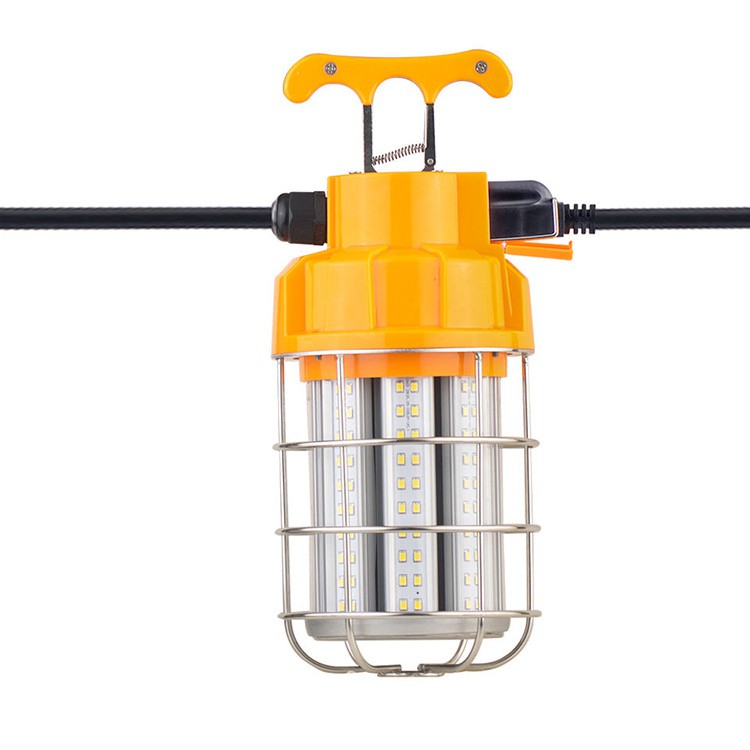
4. Follow Specific Guidelines
Many guidelines outline the minimum lighting requirements for work zones. These industry and government specifications are formulated based on a large number of traffic safety data and construction accident cases, representing the most authoritative and safe lighting construction standards for roadway work zones. One should follow the specific guidelines required by their state or local government and ensure that work zone illumination meets such standards. Different regions have differentiated regulatory requirements according to local road grades, traffic flow characteristics, and climate features, so construction teams must strictly implement localized standards rather than adopting unified and generalized lighting schemes. These guidelines typically include minimum lighting levels, spacing between lights, types of lights, and work zone dimensions. Clear minimum brightness standards ensure that the work zone maintains sufficient visibility even in extreme dark environments; standardized light spacing avoids uneven light and dark intervals that affect visual continuity; specified light type requirements ensure equipment safety and environmental adaptability; and matching standards for work zone dimensions ensure full coverage of lighting without dead zones. Abiding by these official guidelines is the basic prerequisite for legal, standardized, and safe work zone lighting construction, effectively reducing safety risks and compliance risks of construction projects.
5. Use ENERGY STAR Certified Lighting Equipment
The use of Energy Star certified lighting equipment reduces energy use and maintenance costs. In modern roadway construction, while pursuing safety and efficiency, energy conservation and cost control have also become important indicators of refined construction management. Traditional work zone lighting equipment generally has problems such as high power consumption, fast aging, and frequent failure, resulting in huge energy waste and long-term high maintenance costs. ENERGY STAR certified products use less energy and last longer than traditional lighting equipment. These certified lighting products have passed strict professional testing and certification in terms of energy efficiency, service life, stability, and safety performance, with extremely low energy loss and durable product quality. In long-term continuous operation of road work zones, the energy-saving advantage of certified equipment can greatly reduce daily power consumption, while its long service life can effectively reduce the frequency of bulb replacement and equipment overhaul. By using certified products, we can reduce the environmental impact of work zone lighting and carbon footprints. Reduced energy consumption lowers the demand for power generation, thereby cutting greenhouse gas emissions and resource consumption. At the same time, fewer discarded old lighting equipment reduces construction solid waste, helping construction projects achieve green, low-carbon, and sustainable development goals.
6. Perform Regular Maintenance
Regular maintenance is crucial to ensure that lighting equipment continues to function correctly, and issues are identified before they cause problems. Work zone lighting equipment is exposed to harsh outdoor environments for a long time, enduring wind, rain, dust, vibration, and temperature changes every day, which easily leads to lens contamination, circuit loosening, bulb aging, and equipment displacement. If hidden faults are not detected and repaired in time, partial or overall lighting failure will occur during key construction periods, instantly destroying the safe lighting environment of the work zone and triggering safety accidents. This includes replacing burned-out or damaged bulbs and ensuring that all equipment is adequately secured and serviced. Daily maintenance work covers multiple key links: regularly cleaning dust and mud on light lenses to restore light transmittance, checking circuit connections and fixing loose lines to prevent power failure and short circuits, replacing aging, flickering, and burned-out bulbs in a timely manner, and reinforcing fixed bases of lighting equipment to avoid displacement and dumping caused by wind and mechanical vibration. Scheduled and standardized maintenance can keep the entire lighting system in optimal working condition at all times, eliminate potential faults in advance, and ensure zero failure operation of work zone lighting during construction periods.
7. Communicate with Workers and Motorists
Proper communication is of utmost importance when installing work zone illumination. Scientific lighting installation only lays a hardware foundation for work zone safety, and effective human communication and prompt information reminder are indispensable soft guarantees to give full play to the protective effect of lighting systems. The use of signage warning drivers of the work zone enhances safety and visibility, and ensures that motorists understand the importance of following speed limits and other traffic rules. Clear warning signs, guide signs, and prompt signs can cooperate with lighting equipment to form a multi-dimensional safety reminder system, enabling motorists to accurately perceive the location, scope, and operational state of the work zone in advance, actively reduce driving speed, and stay alert to road changes. Similarly, workers should be informed about proper equipment handling guidelines and proper lighting placement. Construction workers are the direct operators and beneficiaries of lighting systems. On-site safety training and real-time work communication can help every worker master standardized equipment use methods, understand the safety logic of lighting placement, and learn to adjust and protect lighting equipment according to construction progress changes. Smooth two-way communication with both workers and motorists bridges the gap between lighting facilities and safety behavior, maximizing the safety protection effect of work zone illumination.
In conclusion, proper installation of work zone illumination is essential to ensure safety for both motorists and workers, and following Best Practices like regular maintenance and choosing the correct lighting is critical. Road work zone safety is related to the personal safety of construction workers and the travel safety of general public motorists, and also affects the smooth progress of road engineering construction and the efficiency of urban traffic operation. Every link in work zone lighting installation, from pre-construction lighting audit and equipment selection, to standardized placement, compliance construction, energy-saving equipment application, daily maintenance, and on-site safety communication, is closely linked to overall work zone safety management. By following these best practices, we can ensure a safe work environment, minimize risks, and enhance productivity. Standardized lighting construction eliminates visual safety hazards from the source, reduces the incidence of construction and traffic accidents, avoids project delays and economic losses caused by safety incidents, and creates a stable, orderly, and efficient working environment for roadway construction. Adhering to these professional best practices is not only a necessary measure to comply with industry safety standards, but also a key approach to realizing safe, efficient, green, and high-quality roadway work zone operation.

How To Cooperate With Us?
Because we have our own facilities, we are pleased to have complete control over the production process and the quality of our goods. We are committed to giving our clients the finest prices since we are manufacturers rather than just brokers. We encourage clients to look at our samples first since we are certain that the cost and quality of our items are transparent. Our dedication to excellence and client happiness motivates us to consistently provide superior products.
Our address
3rd Floor, 5th Building, Hebei Industrial Park, Hualian Community, Longhua District, Shenzhen, China