

The health and productivity of the chickens are directly impacted by the lighting equipment chosen for the poultry house. When there are many products available on the market, concentrating on a small number of scientific aspects will help you make an informed decision.
Spectral selection Replicating the effects of natural sunshine
Light color is the most important factor. Poultry physiology and behavior are affected differently by different spectra. It has been demonstrated that warm light sources, particularly those with red hues, can improve flock mood, decrease pecking behavior, and encourage sexual maturity and egg production. While warm light has a greater influence during the egg-laying stage, cold white light is better suited for encouraging growth. The best color temperature range for poultry is typically offered by contemporary LED lighting systems. Priority should be given to these poultry-specific spectral schemes while making your selection.
Uniformity and intensity of light
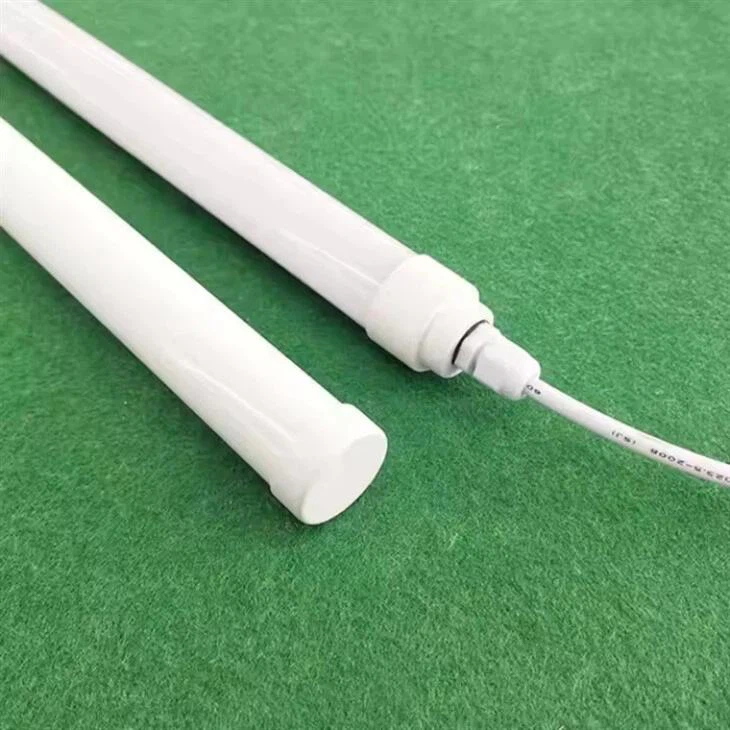
The chicken's head should be positioned horizontally, and the light intensity should be measured in lux units. While broiler needs vary depending on their stage of maturity, flocks of laying hens typically need illumination intensity of 10–20 lux. It's more crucial to make sure that light is distributed evenly throughout the house and to stay away from regions that are obviously bright-dark. By ensuring that every chicken has enough time to eat and drink, uniform illumination can help to prevent the flock's uneven development. Better light homogeneity can be achieved by selecting lights with scattering designs and an adequate installation height.
Durability and energy-efficient performance
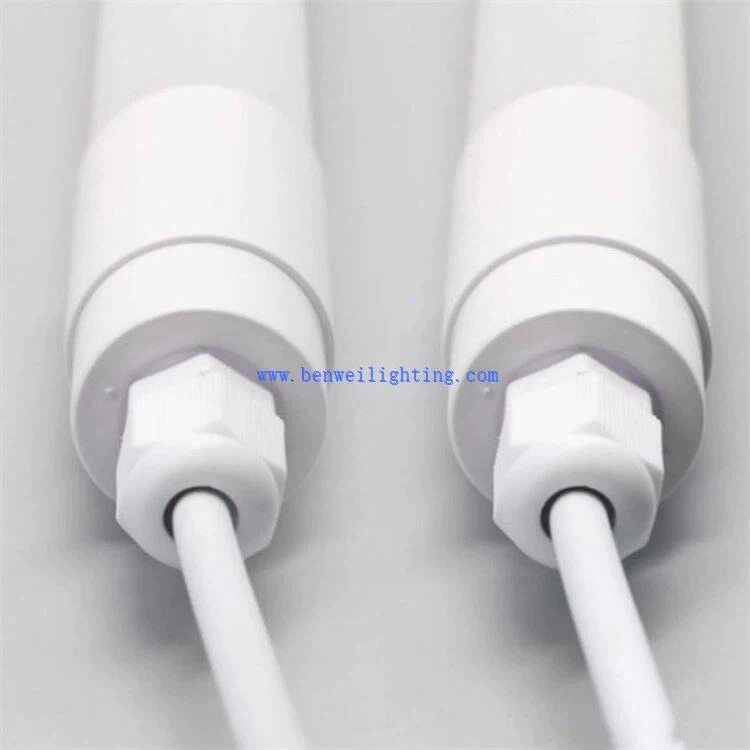
Lighting for aquaculture must last for a long time, and energy expenses cannot be disregarded. LED technology has a lifespan of up to tens of thousands of hours and can save more than 50% on energy consumption when compared to traditional lights. strong chicken farming lights should be able to withstand corrosion from dust, moisture, and ammonia in the chicken coop, as well as having a strong heat dissipation design and protection level. The lamps can function securely in humid conditions with an IP65 protection rating or above, which lowers maintenance needs and replacement frequency.
In conclusion
Spectral features, light dispersion, energy efficiency, and environmental adaptability are all important considerations when selecting professional chicken-raising lamps. Farmers can improve farming benefits by lowering long-term operational expenses and improving output performance through scientific evaluation of these factors.
For more details about our offerings, please contact us at bwzm18@ledbenweilighting.com.





