

Track lighting systems have become one of the most flexible and aesthetically advanced artificial lighting solutions in modern interior space design. Different from traditional fixed ceiling lamps and panel lamps, track lighting breaks the limitations of single installation form and fixed light distribution mode, featuring disassemblability, adjustability and combinability. It can not only meet the basic functional lighting needs of indoor spaces, but also serve as an important soft decoration element to shape the spatial texture and artistic atmosphere. In contemporary interior design, personalized spatial layout and differentiated lighting effects have become core design demands, making the customizable performance of track lighting a key research topic in lighting engineering and interior design. This paper systematically explores the customization feasibility, core design considerations, mainstream system types, layout specification standards and angle matching strategies of track lighting layouts, and summarizes scientific and reasonable layout optimization methods, so as to provide theoretical guidance and practical technical reference for the customized design of indoor track lighting systems.

Overview and Customization Advantages of Track Lighting Systems
Track lighting is a modular assembled lighting system composed of fixed track bases, movable lamp holders, adaptive light sources and power supply accessories. Its core design advantage lies in the highly flexible customizable performance in structural layout, lamp collocation, light distribution angle and spatial presentation effect. Compared with traditional integrated lighting equipment, track lighting can realize real-time adjustment and secondary transformation according to spatial functional changes, aesthetic style upgrading and scene demand switching, which has extremely high space adaptability and design plasticity.
Core Customization Characteristics of Track Lighting
The track lighting system adopts a modular assembly structure, with no fixed limit on the number and position of lamps. Users can freely increase or decrease the number of light fixtures, adjust the horizontal sliding position of lamp holders on the track, and replace lamps with different power and beam angles according to actual spatial lighting demands. This detachable and adjustable structural design completely solves the problem of fixed layout and single function of traditional lighting, realizing flexible customization of lighting range and luminous flux.
Track lighting can adapt to diversified indoor scenes such as residential living rooms, study rooms, commercial exhibition halls, office spaces and art display areas. By adjusting the layout form of the track and the irradiation state of lamps, it can switch freely between basic ambient lighting, local key lighting and artistic accent lighting, meeting the differentiated lighting needs of daily life, office work, commodity display and art appreciation. The multi-scene adaptive customization ability makes track lighting widely used in modern interior lighting engineering.
In terms of spatial aesthetic design, track lighting supports personalized customization of overall style. Its simple track structure and diversified lamp shapes can perfectly match minimalist, modern, industrial and light luxury interior decoration styles. The layout trajectory of the track and the arrangement of lamps can be designed in combination with the spatial structural lines, which can not only avoid the clutter of traditional lighting wiring, but also enrich the spatial layered sense, realizing the organic integration of lighting function and interior aesthetic design.
Core Design Factors for Custom Track Lighting Layout
The customized layout of track lighting is not a random collocation of tracks and lamps, but a systematic design process based on spatial function, aesthetic positioning and lighting mechanism. In the customized design process, it is necessary to comprehensively consider lighting functional positioning, overall spatial aesthetic style and regional structural characteristics, so as to ensure that the customized lighting layout is both functionally reasonable and aesthetically coordinated.
Functional Positioning of Lighting Scenarios
When track lighting is used as the main ambient lighting of the space, the core design goal is to realize uniform and soft full-space illumination and eliminate dark areas and local light and shadow differences. In the customized layout, it is necessary to select lamps with wide beam angles and high color rendering index, and adopt uniform track arrangement and equidistant lamp distribution mode. The overall luminous flux should match the spatial area and illumination standard, so as to provide stable and comfortable basic lighting for daily activities such as space walking, leisure and office work, and avoid visual fatigue caused by uneven illumination.
For scenario demands such as art painting display, architectural outline highlighting, commodity display and local functional area lighting, track lighting needs to adopt focused customized layout. It is necessary to select narrow-beam high-brightness lamps, adjust the fixed irradiation angle of lamp holders, and carry out targeted layout for key areas. This design mode can form obvious light and shadow layers in the space, highlight the visual focus of the scene, and meet the high-precision lighting needs of art appreciation and commercial display.
Overall Spatial Aesthetic Style Positioning
For indoor spaces with minimalist modern decoration styles, the track lighting layout should adhere to the principles of simplicity, neatness and low redundancy. It is recommended to adopt linear straight track layout, match ultra-thin track bodies and minimalist lamp shapes, reduce redundant structural decoration, and keep the track layout consistent with the spatial horizontal and vertical linear lines. This customized layout can strengthen the neat sense of spatial structure, present a clean and advanced visual effect, and fit the minimalist aesthetic connotation of modern space.
For spaces with luxurious, retro or artistic ornate styles, the track lighting layout can adopt flexible curved tracks and multi-group combined layouts. Diversified track trajectories and multi-angle lamp collocation can enrich the spatial visual hierarchy, echo the complex decorative lines and artistic furnishings in the space, and improve the overall artistic appeal of the space. The flexible customized layout can make up for the single aesthetic deficiency of traditional lighting and form a unique spatial lighting atmosphere.
Classification and Layout Characteristics of Custom Track Lighting Systems
According to the structural form and layout flexibility of track equipment, mainstream customizable track lighting systems in the market are divided into two categories: monorail flexible track systems and straight fixed track systems. The two systems have significant differences in structural plasticity, layout adaptability and applicable scenarios, which can meet the customized layout needs of different spatial structures and design styles.
Monorail Flexible Track System
The monorail flexible track system is a bendable and deformable track structure with ultra-high layout flexibility. Different from rigid straight tracks, the flexible monorail can be freely bent, twisted and shaped according to the spatial wall radian, ceiling contour and personalized design demands, realizing irregular track layout such as curve, arc and fold line. The track has good structural toughness, no fracture and no deformation after multiple bending, and can adapt to various complex spatial structural contours.
This flexible track system is suitable for special-shaped spaces with irregular structural lines, curved ceilings and personalized artistic design. It can break the limitation of linear layout, fit the unique structural characteristics of the space, and create a highly personalized and artistic lighting layout effect. It is widely used in art studios, creative offices, high-end commercial display spaces and personalized residential decoration design, and can maximize the design creativity of customized lighting.
Straight Fixed Track System
The straight track system is a rigid linear track structure with stable structure, neat layout and strong sense of integrity. The track has fixed linear trajectory, smooth installation and simple later maintenance. The straight track can be spliced and combined in multiple sections to form horizontal, vertical and cross linear layouts, with high layout standardization and strong overall sense. The lamp sliding on the track is stable, and the light distribution is regular and orderly.
The straight track system is perfectly matched with modern minimalist, industrial and light luxury regular spaces with neat structural lines. It is suitable for conventional residential spaces, standard office areas, rectangular exhibition halls and regular commercial spaces. Through reasonable linear splicing and equidistant lamp arrangement, it can present a streamlined and neat spatial lighting effect, meeting the customized demands of modern simple style lighting layout and standardized functional lighting.
Standardized Layout Specifications and Parameter Optimization of Track Lighting Customization
To ensure the functional rationality and aesthetic uniformity of customized track lighting layout, it is necessary to follow professional lighting layout specifications in the specific lamp placement and angle adjustment links, and optimize key parameters such as lamp spacing and irradiation angle to avoid lighting defects such as uneven illumination, harsh shadows and visual imbalance.
Scientific Lamp Spacing Layout Standard
In the process of personalized customization, excessive pursuit of dense lamp arrangement is a common design mistake. Excessively close lamp spacing will lead to overlapping light areas, excessive local luminous flux, obvious harsh light and shadow contrast, and form chaotic and unbalanced spatial visual effects. At the same time, dense lamp arrangement will increase unnecessary energy consumption and equipment cost, resulting in resource waste.
Combined with indoor lighting design specifications and practical engineering experience, the optimal spacing of track lighting fixtures is controlled between 4 feet and 6 feet. This equidistant layout standard can effectively ensure the uniform coverage of track light sources, avoid light overlap and dark area gaps, form soft and balanced overall illumination, and take into account functional lighting effects and spatial aesthetic coordination. For spaces with large area and high illumination demand, multi-group parallel track layout can be adopted on the premise of following the standard spacing to improve the overall illumination level.
Reasonable Matching of Irradiation Angle
When undertaking the general ambient lighting function of the space, track lamps should adopt wide-angle irradiation mode. The large beam angle can expand the single-lamp lighting range, realize continuous and uniform coverage of the whole space, eliminate local shadow areas, and ensure the consistency of indoor illumination. This angle matching mode is suitable for daily leisure, family life and conventional office scenarios, providing comfortable and stable basic lighting conditions.
For local key lighting scenarios such as artwork display, architectural feature highlighting and desktop functional lighting, narrow-angle directional irradiation is the optimal choice. The narrow beam angle can concentrate the light energy on the target irradiation area, improve the local illumination brightness, form distinct light and shadow layers with the surrounding ambient light, highlight the spatial visual focus, and effectively enhance the artistic expression and display effect of key furnishings and architectural structures.
Customization Optimization Principles and Innovative Design Strategies
The customized design of track lighting layout is a dynamic optimization process combining functional demand, spatial structure and aesthetic creativity. On the basis of following standardized layout parameters, designers and users can carry out innovative layout attempts according to personalized spatial characteristics and usage demands, so as to maximize the customization value of track lighting systems.
Demand-Oriented Customization Principle
All layout customization designs should take actual spatial lighting demands as the core premise. It is necessary to first clarify the core attributes of the space (residential, office, commercial, artistic display), sort out the frequency of daily lighting use and scene switching demands, and then select the track system type, lamp parameters and layout form. Avoid blind pursuit of personalized and innovative layout while ignoring basic lighting functions, and realize the organic unity of functionality and artistry.
Progressive Layout Optimization Strategy
In the actual customization process, the progressive trial and error optimization method can be adopted. First, complete the preliminary track laying and lamp layout according to the standard parameters, then test the spatial illumination effect, light and shadow layering and visual comfort, and appropriately adjust the lamp position, spacing and irradiation angle according to the actual test effect. Through continuous trial adjustment and scheme optimization, the most suitable personalized lighting layout scheme for the specific space can be finally formed.
Conclusion
Track lighting systems have extremely high layout customization feasibility and design plasticity, which can fully meet the personalized lighting layout demands of modern indoor spaces. Supported by modular assembly structure and flexible structural performance, track lighting can realize diversified layout design through two mainstream systems: flexible monorail and straight track. Scientific customization design needs to comprehensively consider lighting functional positioning, spatial aesthetic style and structural characteristics, and strictly abide by standardized lamp spacing and irradiation angle matching specifications. On the premise of ensuring functional lighting quality, innovative layout optimization can be carried out according to spatial personalized characteristics. With reasonable planning and creative design, customized track lighting layout can not only efficiently meet all kinds of indoor lighting functional demands, but also optimize the spatial artistic atmosphere, realizing the dual improvement of lighting practicality and interior design aesthetics. As an efficient and personalized lighting solution, customized track lighting will be more widely applied in modern interior lighting engineering design.
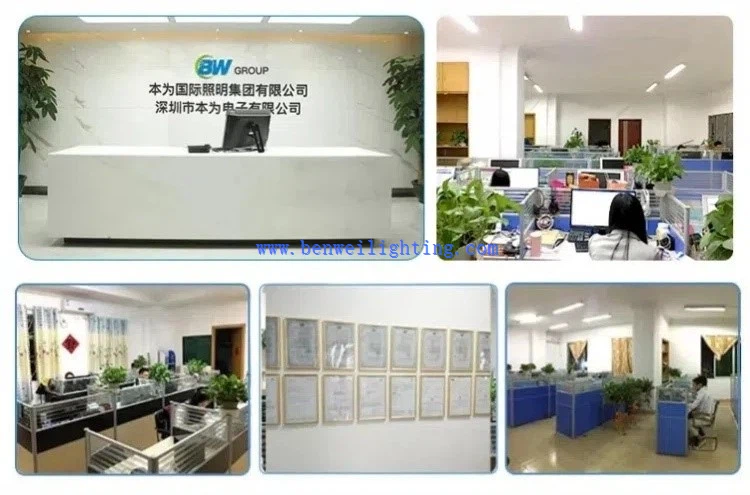
How To Cooperate With Us?
Having its own factory gives our firm complete control over the production process and the quality of our goods, which we take great pride in. We are manufacturers, not only brokers, committed to offering our clients the lowest costs. We invite consumers to evaluate our samples first since we are certain that the cost and quality of our items are evident. Our dedication to excellence and client happiness motivates us to consistently provide superior products.
Our address3rd Floor, 5th Building, Hebei Industrial Park, Hualian Community, Longhua District, Shenzhen, China





