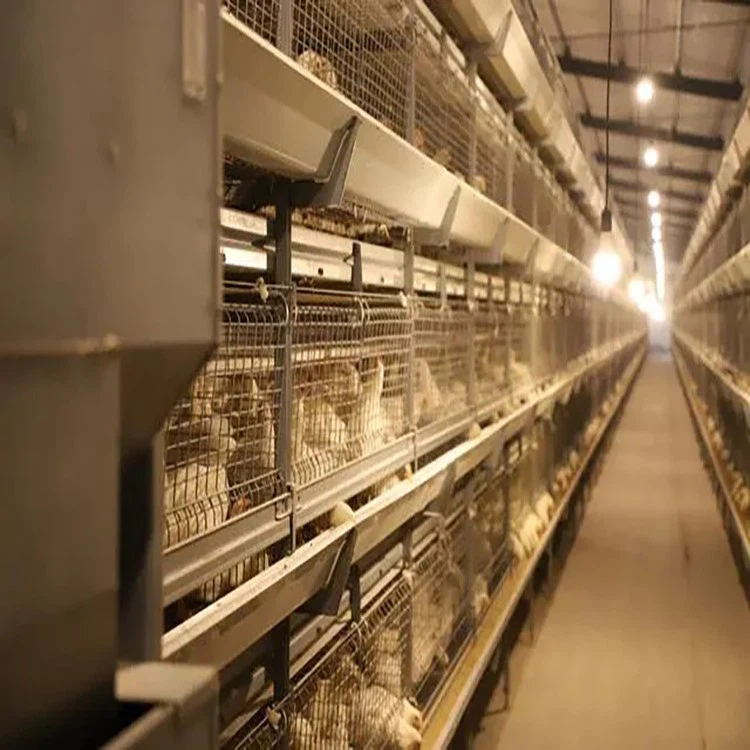
Chickens are wonderful creatures that bring a lot of joy and energy to any household or farm. They are highly adaptive birds that have learned to survive in a wide range of climates and conditions. One crucial aspect of raising chickens is providing them with enough light to thrive. However, as with most things in life, too much of a good thing can sometimes be bad. In this article, we will explore the topic of whether too much light can be bad for chickens and how best to balance the lighting needs of your feathered friends.
Let's start by exploring why light is important for chickens in the first place. Generally speaking, chickens need light for two primary reasons: to see and to regulate their circadian rhythm. Chickens are diurnal animals, which means that they are naturally active during the day and sleep at night. Like humans, chickens produce a hormone called melatonin that helps them regulate their sleep cycle. Melatonin production is triggered by darkness, so if chickens don't get enough darkness at night, they may become stressed, agitated, and even sick.
In addition to regulating sleep, light also plays a crucial role in the egg-laying process. Most birds, including chickens, need a certain amount of light to produce eggs. Technically speaking, egg-laying is triggered by the hormone prolactin, which stimulates the ovaries to produce eggs. Prolactin production is triggered by certain wavelengths of light, typically blue and green light. This is why many poultry farmers use artificial lighting to stimulate egg production in their flocks during the winter months or in areas with long periods of darkness.
So, with all this talk of light being so important for chickens, how could too much light potentially be a bad thing? The primary concern with too much light is that it can disrupt the natural sleep cycle of your birds. If chickens are exposed to bright lights at night, their bodies may become confused and not produce enough melatonin. This can lead to sleep disturbances, decreased immune function, and even illness. In extreme cases, excessive light can also cause feather pecking, which is when chickens start to pluck feathers from each other. Feather pecking is often a sign of stress, and excessive light can be a contributing factor.
The good news is that it's relatively easy to avoid these negative effects of too much light. Here are some best practices for lighting your chicken coop:
1. Use a timer: Instead of leaving lights on all night, consider using a timer to turn them off after a certain period. This will help ensure that your chickens get enough darkness to regulate their circadian rhythm and produce melatonin.
2. Use the right type of light: As we mentioned earlier, blue and green light are the most effective at stimulating egg production. However, these colors are also most likely to disrupt sleep. Consider using a red light instead, as these wavelengths are less likely to interfere with your chickens' sleep.
3. Provide hiding places: Chickens like to sleep in private, dark corners. Provide them with plenty of hiding places, such as nesting boxes or a covered roosting area, so they can get the darkness they need.
4. Don't overdo it: The amount of light your chickens need can vary depending on their age, breed, and environment. As a general rule, chickens need about 14-16 hours of light per day to lay eggs, but they also need enough darkness to sleep and stay healthy. Experiment with different lighting schedules until you find what works best for your flock.
In conclusion, light is a crucial aspect of raising healthy, happy chickens. However, too much of a good thing can sometimes be bad. By following the best practices outlined above, you can ensure that your chickens get the right amount of light to regulate their sleep and stimulate egg production, without any negative side effects. Here's to happy (and well-lit) chickens!