

Flame proof lights have been widely used in various industries where potential hazards of flammable gases and dust exist. They are essential for ensuring safety and preventing accidents. However, different applications have different requirements for flame proof lights. Therefore, it's necessary to customize flame proof lights for different applications according to specific needs.
The most common customization of flame proof lights is related to their housing materials. The choice of housing materials depends on the environment in which the lights are used. For example, aluminum or stainless steel housing is suitable for most applications, but some specialized environments, such as offshore oil rigs, require specialized housings of higher grades such as brass, copper, or even titanium. These materials ensure that the lights are more resistant to corrosion, high pressures, and salty air.
Another important customization is related to the type of lamp. The lamp choice determines the brightness, color temperature, and temperature range, which is a crucial factor for the effectiveness of the lights. Different lamps include incandescent, fluorescent, LED, and HID lamps.
Incandescent lamps are common but have low energy efficiency, making them less commonly used nowadays. Fluorescent lamps have a moderate temperature range, but they can be difficult to maintain onsite. LED lamps offer the highest energy efficiency and long-lasting maintenance that reduces the frequency for replacing the lights. HID lamps can provide high brightness and a long lifespan but have higher heat output and take longer to warm-up than other types of lamps.
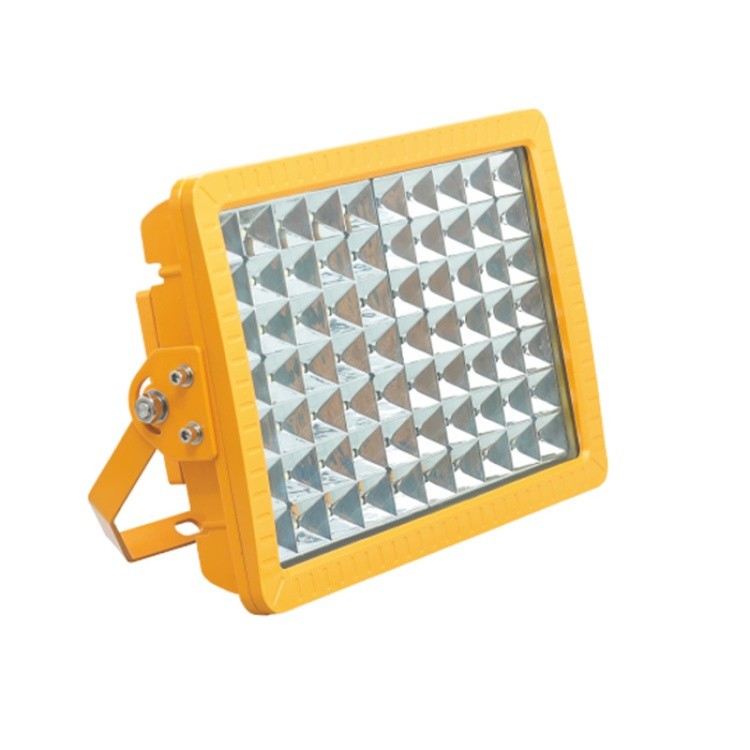
In addition to the type of lamp, the optical design of the flame proof lights can be tailored to suit the application. Different optical designs allow the beam pattern and distribution to be customized, enabling the lights to illuminate the spaces effectively and efficiently. This can be beneficial for areas with limited space, reduced power sources, or where the lights need to provide better visibility and clearer pathways for workers.
A significant factor that needs customization for flame proof lights is their power supply. Different applications have different power sources with varying voltages, and the lights must be equipped with appropriate voltage supply components to function properly. Additionally, some environments may require energy-efficient lighting systems to reduce energy consumption. Therefore, customization of the lighting system's power supply is crucial but can be complicated as it requires compatible components that ensure the safety and efficacy of the flame proof lights.
In conclusion, flame proof lights can be customized according to specific needs of various applications. Customization of housing materials, lamp type, optical design, and power supply can ensure the safety and effectiveness of the lights. It's essential to consider the specific factors for each application, such as environmental conditions, space restrictions, and energy efficiency requirements, in selecting the most appropriate customization options for the flame proof lights. By doing so, it can guarantee efficient operation of the lighting system, reduce the risk of accidents, and protect the safety of workers.





