The right lighting can make a big difference in a room's atmosphere and overall look. Wall illumination lights are a great choice for adding an extra touch of brightness and style to your home décor. Here are some things to consider when choosing the perfect wall illumination light for your space.
Lighting is one of the most powerful tools in interior design because it shapes not only what we see but also how we feel. A room can be filled with beautiful furniture, carefully chosen colors, and elegant textures, yet if the lighting is wrong, the space can still feel flat, cold, or unwelcoming. Wall illumination lights solve this problem by adding light exactly where it is needed, at eye level and along vertical surfaces. They can soften a hallway, frame a bed, highlight a piece of art, or wash a wall with a gentle glow. Unlike a single ceiling light that floods the whole room, wall illumination lights create layers. Layered light adds depth, reduces harsh shadows, and gives you control over the mood. You can use wall lights alone for a quiet evening, combine them with table lamps for a softer effect, or pair them with overhead fixtures when you need more brightness. Because wall illumination lights come in so many shapes, sizes, finishes, and technologies, the choices can feel overwhelming. The key is to approach the decision step by step. Think about the room, the purpose, the style, the placement, the quality of light, and the energy use. When these factors work together, the result is a home that feels intentional, comfortable, and beautiful.
1. Room size and function
The size and function of the room should be the first things to consider when choosing a wall illumination light. For larger rooms, you may need multiple lights to provide adequate illumination. If the room is used for a specific purpose, such as a dining room or home office, you'll want to choose lighting that is bright enough to accommodate the task.
Room size affects both the number and the scale of wall illumination lights. In a small room, one or two well-placed fixtures may be enough to create a warm glow without overwhelming the space. A large room, on the other hand, may need a series of wall lights to avoid dark corners and uneven pools of light. The height of the ceiling also matters. High ceilings can make wall lights feel small, so you may need larger fixtures or lights positioned higher on the wall. Low ceilings may call for slimmer, more discreet designs that do not draw too much attention. The shape of the room is important too. Long hallways benefit from evenly spaced wall lights that guide the eye and improve safety. Open-plan spaces often need zones of light to separate the kitchen, dining area, and living room. A cozy reading nook may need a focused wall light, while a dining room may need softer ambient light that flatters food and conversation.
Function is just as important as size. A home office requires light that reduces glare on screens and illuminates documents without creating harsh shadows. A dining room needs warm, inviting light that makes people look good and feel relaxed. A bedroom should have soft, dimmable wall lights for reading and winding down. A bathroom needs bright, even light around mirrors for grooming and makeup. A staircase or hallway needs enough light to prevent trips and falls, especially at night. Ask yourself who uses the room, when they use it, and what they do there. A wall illumination light that works perfectly in a living room may be wrong for a workshop or a nursery. By matching the light to the room's function, you make the space more practical and more enjoyable.
2. Style and Design
The style and design of the wall illumination light should complement your overall room décor. If you have a minimalist or modern aesthetic, a sleek and simple light fixture may be perfect. If you prefer a more traditional or ornate look, a classic sconce with intricate details may be more fitting. You'll also want to consider the color and material of the light fixture to ensure it works well with the rest of the room.
Style is a personal choice, but it also follows some practical rules. In a modern or minimalist room, clean lines, geometric shapes, and neutral finishes often work best. Matte black, brushed nickel, chrome, and white are popular choices because they blend easily with contemporary furniture. In a traditional room, you might choose aged brass, bronze, antique gold, or hand-painted finishes. Crystal, glass, fabric shades, and carved details can add elegance and warmth. In a rustic or farmhouse setting, wood, iron, and natural materials can make wall illumination lights feel grounded and cozy. In a coastal or Scandinavian-inspired space, light wood, white metal, and soft linen shades can create a fresh, airy feeling. The goal is not to match everything perfectly but to create harmony. A fixture can stand out as a statement piece, or it can quietly support the room's overall design.
Material and color also affect how light behaves. A glass shade may allow light to spread widely, while a metal shade may direct light up or down. A fabric shade softens light and reduces glare, which is ideal for bedrooms and living rooms. A clear crystal fixture may sparkle and create patterns on the wall, adding a touch of luxury. Think about the finish in relation to other metals in the room, such as door handles, faucets, and furniture legs. Mixing metals can look stylish when it is done with intention, but too many competing finishes can feel chaotic. Also consider the shape of the fixture. Round, curved designs feel soft and friendly, while square and angular designs feel more formal or architectural. The right style and design will make your wall illumination lights look as if they were always meant to be part of the room.
3. Placement and Height
The placement and height of the wall illumination light can have a big impact on the overall look and feel of the room. For example, if you're using wall sconces as ambient lighting, you'll want to position them in an area where they can provide enough illumination without being too bright or harsh. If you're using them as accent lighting, you may want to place them higher up on the wall to draw the eye upwards.
Placement is where good lighting design becomes truly visible. Wall lights can be used for ambient, task, or accent lighting, and each purpose calls for a different position. For ambient lighting, wall sconces are often placed at about eye level or slightly above, usually around 60 to 72 inches from the floor, depending on the ceiling height and the size of the room. They should be spaced evenly to create a consistent wash of light. If they are too low, they may glare into the eyes. If they are too high, they may light the ceiling more than the room. For task lighting, such as beside a bed or a desk, wall lights should be positioned close enough to illuminate the work area without casting shadows from the user's hands or body. Bedside wall lights are often installed about 30 to 36 inches above the mattress, but the best height depends on the user's sitting position and the size of the bed.
Accent lighting is more dramatic. If you want to highlight a painting, a sculpture, or an architectural feature, you may place the wall light higher and aim it toward the object. Upward-facing wall lights can draw the eye up and make a room feel taller. Downward-facing lights can create a cozy, intimate effect. In a hallway, wall lights are often placed at regular intervals to guide movement and provide safety. In a dining room, wall sconces may flank a sideboard or mirror. In a bathroom, lights beside a mirror should be positioned at face level to reduce shadows. Before installing any wall illumination light, check the wiring, the wall structure, and the switch locations. Dimmers and smart controls should be planned at the same time. A beautiful fixture in the wrong place can be disappointing, but a simple fixture in the right place can transform a room.
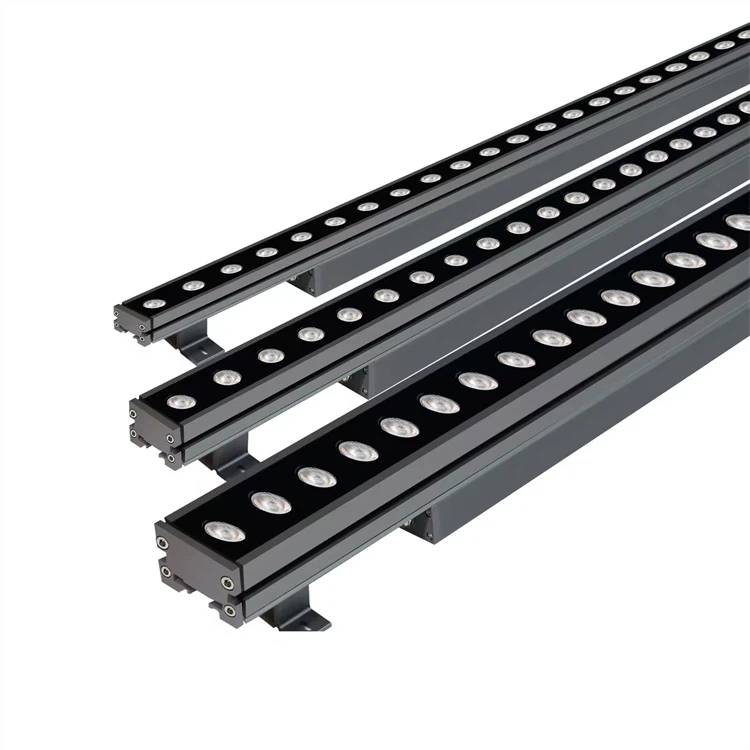
4. Lighting Quality
The quality of the illumination provided by your wall lighting should also be considered. Look for fixtures that use high-quality bulbs that provide a warm and inviting glow. You may also want to consider dimmable options that allow you to adjust the lighting to suit your mood or the time of day.
Lighting quality includes brightness, color temperature, color rendering, and glare control. Brightness is measured in lumens, not watts. For a cozy wall light, you may want fewer lumens and a dimmer rather than a very bright fixture. Color temperature is measured in Kelvin. Warm white light, around 2700K to 3000K, is usually best for living rooms, bedrooms, and dining rooms because it feels comfortable and relaxing. Cool white light, around 4000K to 5000K, can be useful in workspaces, garages, and utility areas because it feels crisp and alert. Color rendering, measured by CRI, tells you how accurately colors appear under the light. A high CRI, ideally 90 or above, makes wood, fabric, art, and skin tones look natural and rich. Glare control is also important. A fixture with a diffuser, shade, or shielded bulb will be more comfortable than one that exposes the bare bulb.
Dimmable options add flexibility and comfort. A dimmer lets you lower the light for movie nights, raise it for cleaning, and set a gentle glow for bedtime. Some LED fixtures are compatible with smart home systems, allowing you to control them by app, voice, or schedule. You can create scenes for morning, evening, and night. You can also use warm dimming, which shifts the light to a warmer color as it dims, mimicking the natural change of daylight. This is especially pleasant in bedrooms and living rooms. When choosing wall illumination lights, do not focus only on the fixture's appearance. The bulb or integrated LED module determines how the light actually feels. A beautiful fixture with poor light quality will not create the atmosphere you want. A simple fixture with excellent light quality can make your home feel warm, comfortable, and inviting every day.
5. Energy Efficiency
Finally, it's important to consider energy efficiency when choosing your wall illumination light. Look for fixtures that use LED bulbs or other energy-efficient options to help reduce your energy consumption and lower your energy bills.
Energy efficiency is good for your budget and for the environment. LED bulbs use much less electricity than traditional incandescent or halogen bulbs, and they last far longer. This means fewer replacements, less maintenance, and lower long-term costs. LED wall illumination lights also produce less heat, which can help keep rooms cooler in summer. Many LED fixtures are designed with integrated LEDs, so you do not need to change bulbs at all. Others use standard LED bulbs, which gives you the freedom to choose the brightness and color temperature you prefer. Look for the Energy Star label or similar certifications when available. Also consider timers, motion sensors, and smart controls. These can turn lights off when they are not needed, reducing waste. In hallways and staircases, motion sensors can provide light only when someone is present, which improves safety and saves energy. In bedrooms and living rooms, dimmers and schedules can reduce unnecessary use. Energy-efficient wall illumination lights let you enjoy beautiful design without worrying about high bills or frequent maintenance.
In conclusion, when choosing the perfect wall illumination light for your home décor, it's important to consider the room size and function, style and design, placement and height, lighting quality, and energy efficiency. By taking all of these factors into account, you can create a beautifully illuminated space that perfectly suits your needs and style.
Take your time, compare options, and think about how you want each room to feel at different times of the day. A wall illumination light is not just a practical purchase. It is a design decision that can make your home warmer, safer, more functional, and more beautiful. With the right choices, your wall illumination lights will quietly improve every moment you spend at home.

How To Cooperate With Us?
We are happy to have total control over the manufacturing process and the calibre of our products since we have our own facilities. Since we are producers rather than just brokers, we are dedicated to providing our customers with the best pricing. Since we are certain that the price and quality of our products are clear, we invite customers to see our samples first. Our commitment to quality and customer satisfaction drives us to continuously provide top-notch goods.
Our address
3rd Floor, 5th Building, Hebei Industrial Park, Hualian Community, Longhua District, Shenzhen, China