

The provision of adequate illumination is an essential component that must be taken into account when it comes to the process of bringing up healthy hatchlings. The illumination in your hatchery contributes to the creation of a healthy environment for your hatchlings, which is necessary for their well-being and the efficient development of their young. We will talk about the significance of hatchery lighting in this post, as well as the factors that should be taken into consideration when selecting the appropriate lighting for your hatchery.
Lighting in the hatchery is of utmost importance
When it comes to the growth and development of your hatchlings, the lighting in your hatchery is a very important factor. Their circadian cycles may be regulated with the aid of proper illumination, which will ensure that they receive the rest they need in order to develop and flourish. If you provide your hatchlings with the appropriate illumination, it may also assist them in developing healthy habits like as foraging, exploring, and socializing with one another. Furthermore, hatchery illumination has the potential to enhance the general health of your hatchlings by enhancing their immune systems and lowering their levels of physical stress.
Factors to Take Into Account When Selecting Lighting for the Hatchery
When selecting lighting for a hatchery, there are a number of aspects to take into consideration, such as the kind of light, the intensity of the light, and the length of the light. The following is a list of some of the considerations that you need to take into account while choosing lighting for the hatchery.
Type of Light
You will need to take into consideration the individual requirements of your hatchlings when selecting the sort of lighting for your hatchery. There are three primary forms of illumination that are used in hatcheries: incandescent bulbs, fluorescent bulbs, and light emitting diode (LED) lights.
Despite their low cost, incandescent light bulbs generate a significant amount of heat and pose a potential threat to the equipment or bedding if they come into touch with anything.
Fluorescent light bulbs are preferred over incandescent light bulbs because they are more energy-efficient and create less heat. Additionally, they are offered in a broad variety of colors, which makes them an excellent choice for creating a variety of lighting effects in your hatchery's environment.
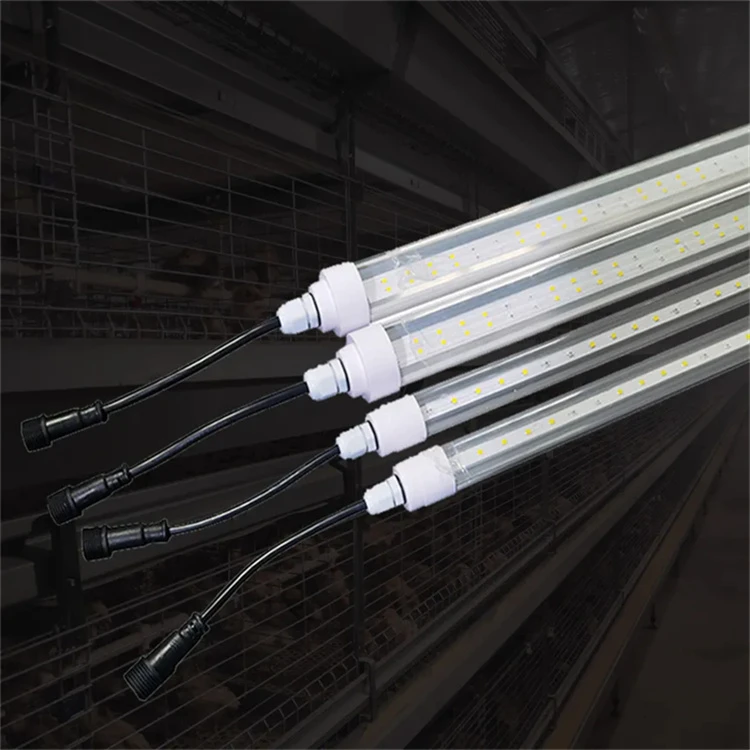
https://www.benweilighting.com/agricultural-lighting/poultry-lighting/hatchery-light.html
This is due to the fact that LED lights are both energy-efficient and emit very little heat, which is why they are becoming more popular in hatcheries. Furthermore, in comparison to other kinds of lighting, they have a longer lifetime and can be programmed to vary both the color and the intensity of the light.
Strength of the Light
An further essential aspect that you must take into consideration is the intensity of the lighting in your hatchery. It is possible for your hatchlings to have visual difficulties if they are exposed to little light, while much light might cause them to become stressed and overheated. Under normal circumstances, the lighting in the hatchery should be between 10 and 20 lux during the first week of hatching, and then progressively rise to between 100 and 200 lux by the fourth week.
Length of Time Light
In your hatchery, the length of time that your lights will be on will be determined by the kind of bird that you are raising as well as the age of your hatchlings. Generally speaking, hatchlings need between ten and sixteen hours of light every day in order to assist in the regulation of their circadian cycles. Depending on the species you are raising and the stage of development of your hatchlings, you have the ability to change the length of time that light is present.
Final Thoughts
In conclusion, the lighting in your hatchery is an essential component that determines the level of success that your hatchlings experience in terms of their growth and development. Creating a healthy environment for your hatchlings requires careful consideration of the kind of lighting, the intensity of the lighting, and the length of the illumination. When looking for advise on hatchery lighting that will match the unique requirements of your hatchlings, it is best to consult with an expert in poultry. By ensuring that your hatchlings are exposed to the appropriate illumination, you may help guarantee that they develop into birds that are healthy and successful.





