

Light, including its quantity and intensity, has a significant impact on chicken behavior and may be utilized to boost egg production or the health and happiness of your flock.
Anyone who has raised chicks in the home knows how light-driven chickens are.
If the sky is bright, it's time to begin moving.
It's time for bed if it's dark.
(Interestingly, however, chickens can sense when it becomes light outside, even if they're housed in a completely dark cage. This is one of the reasons rooster boxes, even if they were a brilliant concept, don't always stop roosters from crowing.
Body clocks are strong devices.)
Making wise decisions about how to utilize light around your flock pays off when dealing with critters that are this sensitive to light.
Do Chickens Need Light At Night?
The optimal lighting settings for poultry are those where they can see the sunrise and sunset.
In order to activate the pituitary gland, which causes the ovaries to produce an egg, chickens need at least 14 hours of sunshine.
For best results, hens require 16 hours of sunshine each day.
However, hens also need eight hours of total darkness to achieve the kind of slumber they need.
Immune response and other elements of health may decline without it.
Having never coexisted with dinosaurs, chickens have an evolutionary hangover that prevents them from seeing properly in low light.
Chickens were never compelled to become nocturnal in order to avoid a ferocious Tyrannosaurus Rex and its companions, unlike many animals.
As a consequence, chickens have terrible night vision.
Fortunately, since they sleep from nightfall till morning, chickens don't need to see in the dark.
In a nutshell, this means that lights in chicken coops are unnecessary for the benefit of the flock.
Your hens won't be eating, drinking, or producing eggs if it is dark outside.
They'll be roosting, so it's better to sleep in complete darkness.
Should A Chicken Coop Have A Night Light?
Although it's not essential for the birds, chicken keepers sometimes add illumination to their coops for the following reasons:
Allow for the completion of tasks including collecting eggs, cleaning, and replenishing food and water containers after dark.
Make it simpler to treat hens with medicine at night when they are sleepy or to check them for mites.
Help young flock members develop and mature more quickly by delaying the molt and extending the laying season in the autumn or starting the lay earlier in the winter when days are shorter. Help new flock members find their way to the coop while they are initially getting acclimated to the new surroundings.
Use of a flashlight or, even better, a head lamp, as opposed to adding additional coop lighting with all of its necessary power supply and cabling, is an option.
The majority of the coop may stay dark with the use of flashlights or head lamps, which causes less disruption to the hens.
Should You Give Chickens Additional Lighting?
Exposure to artificial light may be used to encourage chickens to produce more eggs and develop more quickly.
This added light imitates longer days and tricks the hen's body into laying eggs when it usually wouldn't in the winter.
The health of a flock may not always be best served by such interference, however.
There may be connections between the use of supplementary illumination to change natural rhythms and issues with reproduction like:
*bind eggs
*airway prolapse
*eggs lashed
*Breast cancer
The annual molt, which disrupts the production of eggs, is a crucial phase in a chicken's annual cycle.
The bird diverts energy and protein from egg-laying to other duties like creating new feathers during the molt, which is a period of rest and regeneration.
Technology allows us to manipulate nature, but there are always drawbacks – in this instance, for your birds.
Do Dark Chicken Coops Make Sense?
Chicken coops should be dark after the sun goes down.
Chickens need periods of total darkness every night in addition to times of sunshine in order to receive the required rest.
Six to eight hours should be the bare minimum of each night's blackout.
By keeping them alert while they are confined to small spaces, a coop that is overly bright increases the likelihood of feather pecking, bullying, and other forms of conflict amongst hens.
If there are no predators around and your rooster keeps crowing through the night, light disruption may be to cause.
In order to stop light pollution from entering coops that are adjacent to the home or other sources of nighttime light (such headlights from passing vehicles), the coops should be screened off or otherwise adjusted.
If there is a light inside your coop for whatever reason, ensure sure it cannot be unintentionally left on since doing so may harm your hens.
Lights may be turned off automatically by setting timers.
What Causes Red Chick Heat Lamps?
Red light, as opposed to white, is often emitted by vintage chick heat lamps.
Red light is commonly used with young chickens due to:
Red light doesn't seem to chickens as daylight, therefore it has less negative effects on their biorhythms and makes it easier for chicks to go asleep.
It is believed that this wavelength of light calms hens.
Chickens can't see the color red as well under red light. Because they can't see blood as well, they don't pick at other chicks who may have scratches and scrapes or peck at their feathers as much.
Do You Need A Red Chick Heat Lamp?
It is recommended that you use a red light rather than a white one when utilizing a heat lamp to keep your newborn chickens warm.
Depending on the temperature and external circumstances, chicks normally need heat from the time they hatch until they are completely feathered at about four to six weeks.
Many contemporary poultry keepers completely forgo heat lights.
A heat plate in the shape of a "mother hen" that radiates heat but not light is the most effective approach to keep newborn chicks warm.
Other benefits of these heat plates include:
use of less energy
Fire safety
As the chicks develop and need less heat, the plate's height may be adjusted.
They prevent the brooder box from being overheated in the same way as heat lamps may; only the chicks below the plate will feel warm, not chicks nearby.
Are Chickens Better Off at Red Lights?
In general, red lights are preferable for brooders for the reasons mentioned above.
Red light is advantageous in coops since it protects your own night vision, which is helpful when moving around after dark.
Which Light Color Is Best For Chickens?
What you want to accomplish with the light will influence what color is ideal to use around hens to some degree.
Lights may be used by chicken caretakers around their flock for a number of purposes, including:
to look inside the coop and do tasks after dark
to lengthen the laying season and make up for the low sunshine hours
as a heat lamp in the chick brooder to supply heat
to make it easier for hens to discover the coop at night
In general, it's preferable to use incandescent bulbs instead of fluorescent ones while near chickens, despite the fact that they do pose a fire danger.
Use new bulbs, but choose the warmer, more natural tones of light, such as yellow rather than white, as a suitable compromise.
When installing lights in coops, use extreme caution because of the close proximity to substantial volumes of extremely flammable bedding and wooden construction components.
Do hens need sunlight?
To demonstrate how negatively a lack of natural light affects a bird's overall health and vitality, one simply has to look at cage-bound hens from the industrial poultry business.
To be as healthy as possible, chickens need real sunshine, not just artificial light.
It's important to place coops so that your flock gets as much direct sunlight as possible, particularly the early morning sun's beams.
This is why.
During grooming, a chicken spreads oil from the preen gland at the base of its tail across its feathers.
This oil causes a reaction when exposed to sunshine, producing vitamin D, which is subsequently absorbed via the skin.
Your hens may sunbathe, expanding their wings and raising their hackles to allow the radiant rays to touch their skin, as a result of this procedure.
Sunlight also has a cleaning effect, eliminating germs and assisting in the prevention of parasites like mites and lice on the skin and in the feathers.
Because they can see UV rays, chickens are also supposed to acquire vitamin D via their eyes.
Spending 15 to 30 minutes in the sun will provide a chicken with the 3,000–5,000 IU/kg of vitamin D needed each day.
Conclusion
Light is essential for a chicken's health in a variety of ways, including biorhythm regulation, vitamin D provision, egg production, mite prevention, and many more.
Make sure: to maximize your flock's health.
The coop gets the most light possible.
The hens may spend time in the sun in the run area (But always provide shade too)
Red brooder lights
The coop's lights provide warm tones rather than fluorescence.
Avoid or limit the use of additional artificial light (Due to its potential adverse effects on health)
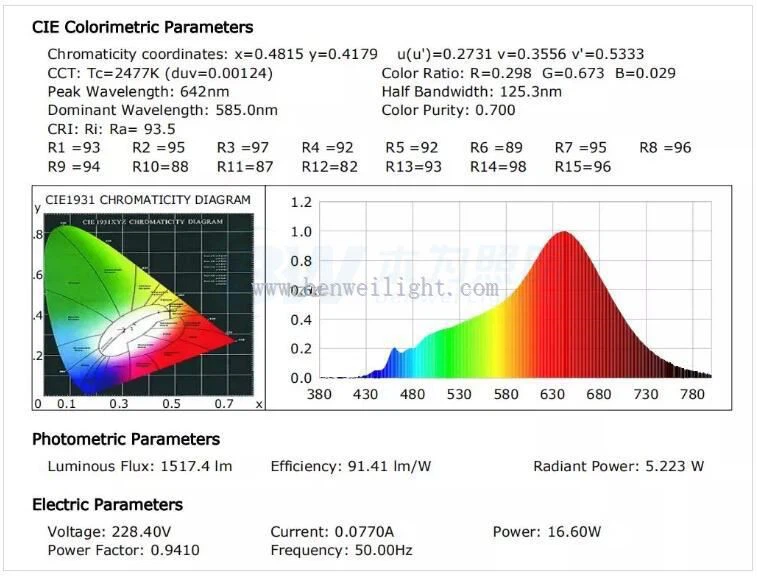
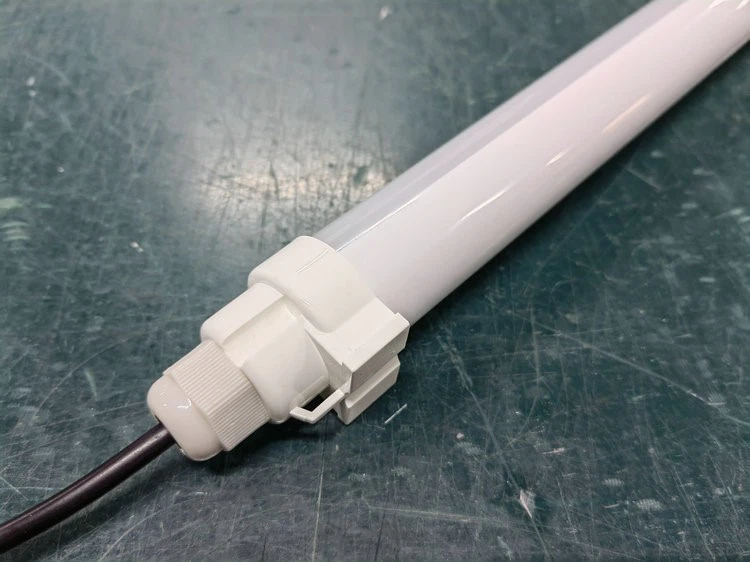
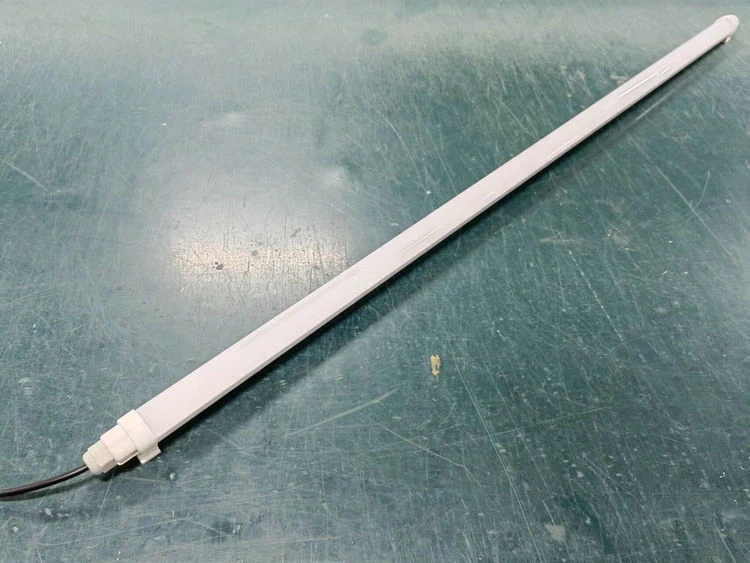

Benwei chicken coop lighting for egg production
|
Power |
Dimension(MM) |
LED Quantity(PCS) |
|
9W |
600*26mm |
Epistar 2835/48PCS |
|
13W |
900*26mm |
Epistar 2835/72PCS |
|
18W |
1200*26mm |
Epistar 2835/96PCS |
|
24W |
1500*26mm |
Epistar 2835/120PCS |
|
36W |
2400*26mm |
Epistar 2835/384PCS |





