

Corn bulbs, also known as corn cob or corn-shaped LED bulbs, are popular owing to their energy efficiency, brightness, durability, and versatility in a wide range of indoor and outdoor lighting applications. Corn bulbs are often referred to as corncob fluorescent lights. A few people have voiced concern about the likelihood of ultraviolet (UV) emissions from these devices, which might be harmful to human health or cause material damage. In this article, we will look at this topic from several angles and present evidence-based suggestions to dispel myths and highlight the positive elements.
To begin, it is critical to have a thorough awareness of UV radiation's properties and potential implications. Ultraviolet radiation is a kind of electromagnetic radiation with shorter wavelengths and higher energy than visible light. It is split into three groups based on wavelength: ultraviolet A (320-400 nm), ultraviolet B (280-320 nm), and ultraviolet C (100-280 nm). UVA and UVB radiation may penetrate the skin and cause DNA damage, which can lead to premature ageing, skin cancer, and eye damage. A significant amount of ultraviolet C is absorbed by the ozone layer before reaching the planet's surface.
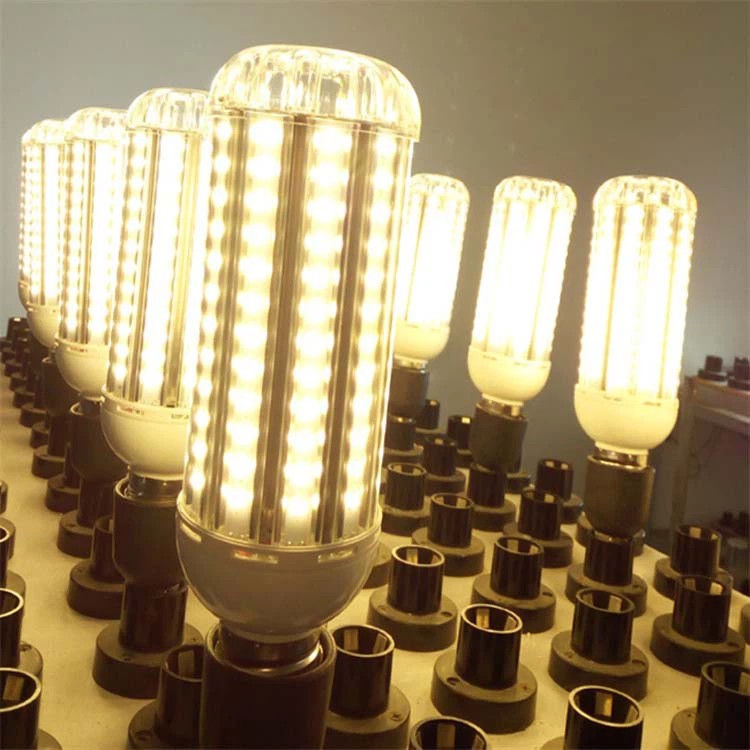
Now let's have a look at maize bulbs and UV radiation. Corn bulbs, as opposed to traditional incandescent bulbs, which emit a large amount of infrared and ultraviolet radiation in the short-wavelength area, employ semiconductors to transform electrical energy into visible light while emitting very little heat. According to studies and industry requirements, high-quality LED corn bulbs emit minimal quantities of UV A and B radiation, which are considerably below the acceptable exposure limits for human health and interior materials. To make matters worse, light-emitting diode (LED) bulbs do not contain mercury or any other hazardous substances that may endanger human health or the environment if broken or discarded improperly.
Another advantage of maize bulbs is that they have a high colour rendering index (CRI), which means they can portray hues more accurately and naturally than typical lighting bulbs. This feature is critical for applications that need high colour accuracy and clarity, such as art galleries, museums, retail stores, and hospitals. Furthermore, LED corn bulbs have a longer lifespan and need less maintenance, resulting in energy and cost savings over time.
So, maize bulbs emit no damaging UV radiation that might endanger human health or cause property damage. On the other hand, they provide several benefits, including as energy efficiency, brightness, durability, versatility, and colour accuracy. Customers who purchase high-quality LED corn bulbs from reputable manufacturers may benefit from safe and ecologically sustainable lighting alternatives for their homes, workplaces, and public locations.





