

The introduction of photosynthetic growth lights has been welcomed with a mixture of excitement and scepticism ever since they were first introduced. Not only are these artificial lights used in commercial and residential settings, but they are also meant to mirror the light spectrum that plants need in order to develop and produce photosynthetic compounds. But are they really effective? So, let's take a more in-depth look.
To begin, it is essential to have a solid understanding of how plants get their development from light. Certain wavelengths of light are absorbed by chlorophyll, the pigment that gives plants their green colour. Chlorophyll then utilises these wavelengths to fuel the process of photosynthesis. The traditional incandescent and fluorescent lights do not produce the appropriate wavelengths of light that plants need. This is where the photosynthetic growth lights come into play.
Plant growth lights, also known as photosynthetic growth lights, are a kind of light source that use a mix of blue and red LED lights to provide a light spectrum that plants are able to utilise for the process of photosynthesis. On the other hand, red light serves to stimulate blooming and fruiting, while blue light is essential for plant growth and helps to control the development of leaves inside the plant.
A number of studies have shown that photosynthetic growth lights have the potential to be useful for the growth and development of plants. Quite a few professional farmers actually make use of these lights in their greenhouses in order to lengthen the growing season and boost the amount of crops they harvest. When paired with photosynthetic growth lights, the controlled environment of a greenhouse gives producers the ability to alter the illumination and temperature in order to achieve optimal plant development.
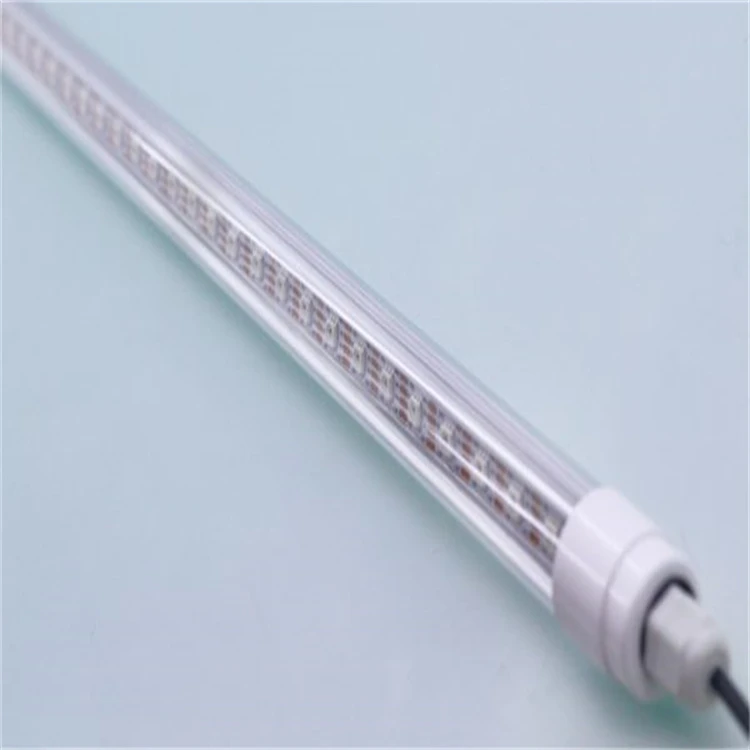
https://www.benweilighting.com/agricultural-lighting/plant-lighting/photosynthetic-growth-light.html
For those interested in indoor gardening, it is also important to note that photosynthetic growth lighting may be of great assistance. There are a lot of people who live in apartments and metropolitan areas who do not have access to outside space for gardening, and these lights may give the essential light spectrum for indoor plants to develop and flourish. It is even possible for some people to utilise these lights to cultivate fresh herbs and vegetables in their kitchens.
Having said that, it is essential to keep in mind that not all lights designed for photosynthetic development are equally effective. Due to the fact that the spectrum and strength of the light might differ from one manufacturer and model to another, it is essential to do research prior to making an investment in purchasing one. Think about the kinds of plants you want to cultivate and the unique light needs they have, as well as your financial constraints and the dimensions of the area you have available for cultivation.
To summarise, photosynthetic growth lights have the potential to be an efficient instrument for the growth and development of plants, regardless of whether they are used in a commercial greenhouse or an indoor garden. It is essential, however, to choose the appropriate light for your particular requirements and financial constraints, and to keep in mind that illumination is just one of the factors that influence the development of plants. In addition, the presence of sufficient water, nutrients, and growing conditions is necessary for the development of healthy plants.





