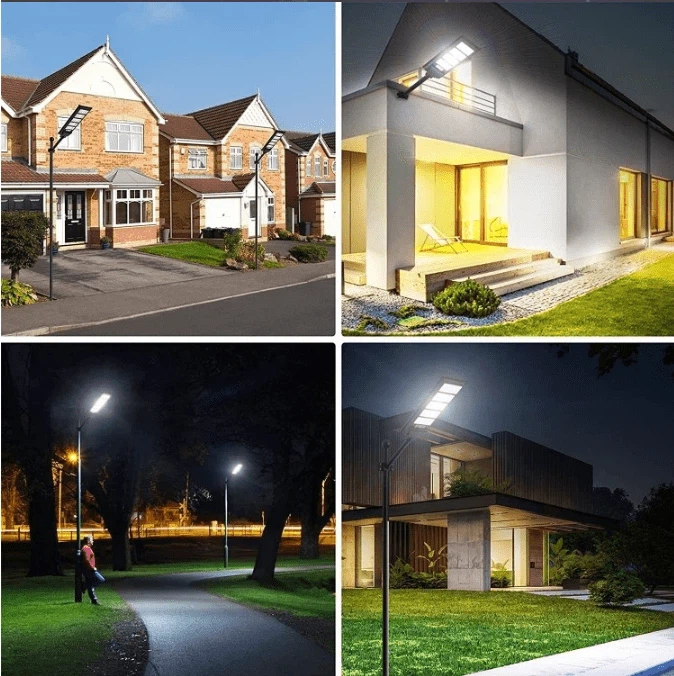
Due to their energy efficiency, environmental friendliness, and hassle-free operation without requiring grid power, solar lights have grown in popularity among homeowners wishing to light their yards, gardens, and outdoor areas. But among homes who have installed or are thinking about installing solar lighting, one of the most common queries is: Do solar lights switch off at night? This article answers this frequently asked question in-depth, describes how solar lights operate, lists the major variables that influence their effectiveness, offers helpful maintenance advice, and offers advice for people looking for dependable solar lighting options.
At night, do solar lights turn off?
Whether solar lights switch off at night is a typical concern for many homeowners who have solar lighting in their gardens or yards. The explanation is simple: solar lights are made to run at night and shut off during the day, not to shut off at night.
How Solar Lights Operate
Solar lamps work on a straightforward yet efficient principle: they use solar panels to transform sunlight into electricity during the day. After then, the electricity is saved for later use in a rechargeable battery. The solar lights use the saved battery power to power the illumination source when night falls, or dusk. They provide constant lighting for the outside space by staying on all night and turning off on their own at daylight.
Factors Influencing Solar Light Illumination
It is important to remember that the amount of light produced by solar lamps might vary based on a number of important parameters that directly affect their performance:
Solar panel quality: Better energy storage is ensured by high-quality solar panels, which can transform sunlight into electricity more effectively.
Battery capacity: More energy can be stored in a larger battery, enabling brighter light and longer illumination times.
Sunlight exposure during the day: The amount of power produced by a solar panel is directly impacted by the amount of sunlight it gets. Solar lamps may not provide enough illumination or may not function at all in locations with limited sunshine, such as foggy or shaded areas.
Interference from Light Sources in the Area
In addition to the aforementioned elements, artificial light sources that are close by, like porch lights, street lights, or other outdoor illumination, may interfere with solar lamps. These outside light sources can imitate daylight, which could lead to the solar lights turning off too soon (since there isn't enough darkness) or producing less light overall.
Useful Advice for the Best Solar Light Results
Use these useful suggestions to make sure solar lights operate at their best:
Periodically clean the solar panel: Any dirt, dust, or debris that could build up on the panel should be removed because they might block sunlight and lower the efficiency of energy conversion.
Select the ideal site for the installation: Avoid dark places and place solar lights in locations that receive plenty of sunlight throughout the day.
Optimise solar panel orientation: To maximise sunshine exposure and increase power generation and illumination duration, make sure the solar panel is orientated southerly (in the Northern Hemisphere).
In conclusion, solar lights provide dependable illumination for outdoor areas because they are made to automatically switch on at dusk and turn out at dawn. However, a number of variables, including as solar panel quality, battery capacity, sunshine exposure, and interference from surrounding light sources, may affect their functioning and performance. You can guarantee optimal performance and steady illumination throughout the night by choosing high-quality solar lamps and adhering to the useful maintenance advice mentioned above.