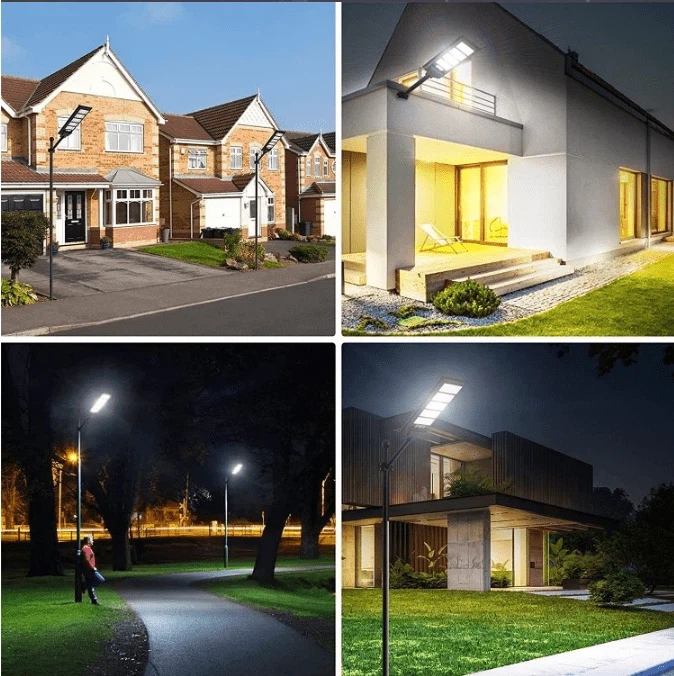
Solar outdoor lights have quickly become a top choice for modern residential and commercial outdoor lighting. Thanks to their zero electricity bills, easy installation, and eco-friendly features, more property owners are ditching traditional wired outdoor lights for solar-powered alternatives.
However, one question troubles most new users and bulk buyers: do solar lights require direct sunlight to function normally? The short answer is yes, but the actual working rules, lighting requirements and installation skills are far more detailed than most people think. Many solar light dimness and short working time issues are caused by wrong installation and insufficient sunlight exposure. This article will fully explain the sunlight needs of solar lights, installation tips and usage limitations to help you maximize solar light performance.
Do Solar Lights Require Direct Sunlight?
Solar lights rely entirely on solar panels to convert light energy into electrical energy and store power in built-in batteries. Therefore,direct sunlight is the core condition for solar lights to work properly.
Although solar panels can sense weak ambient light on cloudy days, the energy conversion efficiency is extremely low. Weak scattered light cannot support sufficient battery charging, resulting in dim lighting, shorter nighttime working hours, or even failure to light up. Simply put, solar lights can only achieve standard brightness and long working time with qualified direct sunlight exposure.
How Many Hours of Direct Sunlight Do Solar Lights Need?
The required sunlight duration varies by solar light model, panel size and battery capacity. The overall industry standard is clear and unified.
Most conventional solar outdoor lights (solar garden lights, wall lights, step lights) need at least 6 hours of direct sunlight per day to reach full charge and maintain normal all-night lighting.
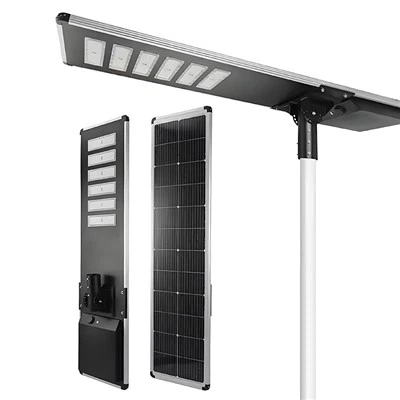
For high-power solar flood lights, solar street lights and large-area outdoor solar lamps, 6 to 8 hours of continuous direct sunlight is required to achieve optimal brightness and maximum working duration. Insufficient daily sunlight will directly reduce the lighting performance of solar lights.
Why Shade and Cloudy Weather Weakens Solar Light Performance
Shaded locations and long-term cloudy weather are the two biggest factors affecting solar light efficiency.
In shaded areas such as under eaves, beneath trees or beside buildings, solar panels cannot receive vertical and continuous direct sunlight. The scattered light obtained is not enough to replenish battery power consumption. After several days of insufficient charging, the battery power will be exhausted, causing the solar lights to turn off early or not light up at night.
Similarly, thick cloud cover blocks most solar radiation. Even in open spaces, the charging efficiency drops sharply on cloudy, rainy and foggy days, greatly weakening the overall lighting effect.
Key Installation Rules to Avoid Sunlight Obstruction
Correct installation is the key to ensuring long-term stable operation of solar lights. Many users' solar light failures stem from invisible obstructions.
When installing solar lights, you must choose an open area without shelter. Keep the solar panel away from shading obstacles including tree branches, building walls, outdoor furniture and billboards.
Even small local shading on the solar panel will greatly reduce the overall charging efficiency. It is recommended to adjust the panel angle according to the local sun direction to capture the maximum direct sunlight throughout the day.
Is Solar Lighting Suitable for Your Climate?
Solar lights are the most cost-effective outdoor lighting solution for areas with sufficient sunlight. With no wiring cost, low maintenance and zero electricity fees, they are perfect for gardens, yards, roads, villas and industrial outdoor areas.
For regions with long-term overcast, rainy and insufficient sunlight, solar lights cannot give full play to their advantages, and wired LED lights are more stable as an alternative.
Full Summary
In short, solar lights do need direct sunlight to work efficiently. The standard daily direct sunlight requirement is 6–8 hours, depending on the lamp power and model. Shaded installation positions and long cloudy weather will severely reduce charging efficiency, leading to dim light and short working hours.
Installed in a sunny and unobstructed location, solar lights can deliver stable, long-lasting outdoor lighting, helping users save long-term energy and maintenance costs. It is the most practical and eco-friendly outdoor lighting upgrade solution.
Looking for high-efficiency solar outdoor lights adapted to different sunlight conditions? We provide a full range of solar garden lights, solar wall lights, solar flood lights and street lights with stable performance and high conversion rate. Feel free to contact us for product parameters, bulk discount quotes and professional installation guidance.