Solar lights have become a top choice for outdoor residential, commercial, and landscape lighting thanks to their zero electricity bills, easy installation, and eco-friendly performance. However, one of the most frequently asked questions from users and buyers is whether solar lights need manual activation to start charging and functioning.
There are many misunderstandings about solar light charging rules. Many new users assume they have to switch the lights on or complete a specific activation process to collect solar energy. In fact, the working logic of solar lamps is quite different from traditional electric lights. This article will clearly answer the activation question, explain how solar lights charge, and share practical tips to maximize charging efficiency and nighttime lighting duration.
Do Solar Lights Require Activation to Charge and Work?
The straightforward answer is no. Solar lights do not need any manual activation to start charging. Unlike wired electric lights that require switching on to receive power, solar panels start harvesting sunlight and charging the built-in battery automatically once they receive sunlight exposure.
There is no hidden activation step or pre-charge setting for standard solar lights. Whether you toggle the light switch on or off, the solar charging system works independently all day long. More importantly, turning off the solar lights during daytime is highly recommended, as it allows the battery to achieve a full charge and delivers longer, brighter lighting at night.
How Do Solar Lights Charge and Store Energy?
To better understand why activation is unnecessary, it is essential to know the basic working principle of solar lights. The whole system relies on photovoltaic conversion to realize self-charging and self-powering.
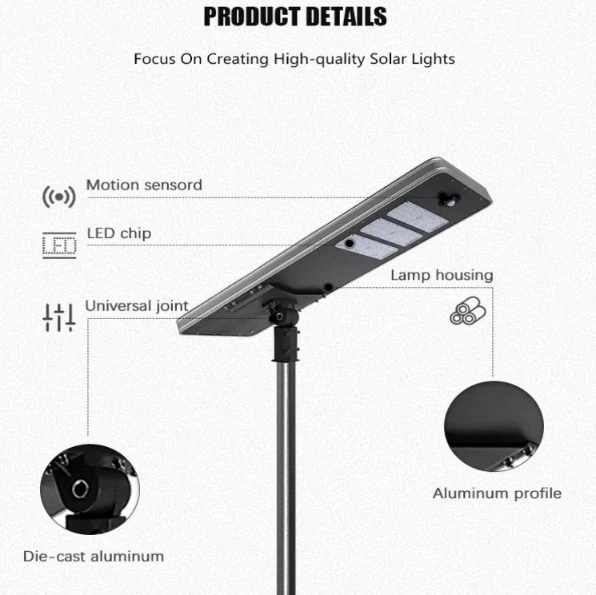
The solar panel installed on the top of the light captures natural sunlight and converts light energy into electrical energy. The generated electricity is then automatically stored in the internal rechargeable battery. This entire charging process is intelligent and fully automatic, requiring no manual operation or activation from users.
Once dusk falls and sunlight fades, the sensor system will automatically turn on the light using the electricity stored in the battery, completing the cycle of daytime charging and nighttime lighting.
Why Turning Off Solar Lights During the Day Boosts Charging Efficiency
Most users leave solar lights on all day out of habit, but this practice actually weakens charging results. Since solar lights can only store a limited amount of power in their built-in batteries, daytime lighting consumption will offset the newly charged energy.
When you turn off solar lights during the day, all the electricity converted by the solar panel is fully stored in the battery without any extra power consumption. This ensures the battery reaches a maximum full charge, supporting longer continuous working time and more stable brightness throughout the night. It is a simple but effective way to optimize the overall performance of solar lights.
Key Factors That Affect Solar Lights Charging Performance
Although solar lights charge automatically, their charging speed and power storage capacity are not fixed. Two main factors will greatly influence their daily charging effect and nighttime lighting duration.
First is the installation position and sunlight exposure. Solar lights need direct, unobstructed sunlight for several hours every day to achieve optimal charging. Lights installed in shaded corners, under eaves, or blocked by trees will suffer from insufficient power storage and shorter nighttime working hours.
Second is weather conditions. On cloudy, rainy, or overcast days, sunlight intensity is greatly reduced, slowing down the photovoltaic conversion efficiency. In this case, the battery cannot be fully charged, resulting in dimmer light and shorter lighting time at night, which is a normal working characteristic of solar lighting products.
Simple Maintenance Tips for Stable Charging & Longer Lifespan
Besides turning off the lights during the day, regular daily maintenance is necessary to keep solar lights in top working condition. Dust, fallen leaves, dirt, and other debris will accumulate on the solar panel surface over time, forming a barrier that blocks sunlight absorption.
A blocked solar panel cannot convert sunlight efficiently, leading to slow charging, insufficient power storage, and dim nighttime lighting. Users only need to wipe the solar panel gently with a clean damp cloth regularly to remove dust and obstructions. This tiny maintenance step can significantly restore charging efficiency and extend the service life of solar lights.
Summary
In conclusion, solar lights never require manual activation to start charging. Their built-in solar panels and batteries support automatic all-day charging as long as there is sunlight. Turning off solar lights during daytime is a practical and effective method to improve charging efficiency and maximize nighttime lighting duration. Meanwhile, installing lights in fully sunny positions and keeping solar panels clean can effectively avoid insufficient power storage caused by shading and dirt. With simple daily operation and maintenance, solar lights can maintain stable, long-lasting performance for outdoor landscape, courtyard, and commercial lighting scenarios.
Looking for high-efficiency, weather-resistant, long-working solar lights for residential yards, commercial landscapes, or project engineering? We offer a full range of premium solar outdoor lights with high conversion solar panels, large-capacity batteries, and stable all-weather performance. Feel free to contact us for product specifications, bulk pricing, and customized lighting solutions for your projects!