

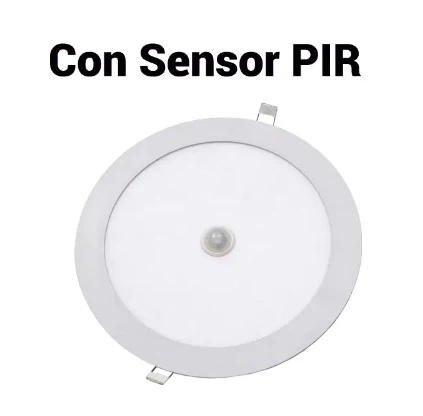
Downlights with Sensors: Understanding the Latest in Lighting Technology
As the world becomes more energy-conscious, lighting technology has been evolving at a rapid pace. One of the latest innovations in this area is the integration of sensors in the popular downlights. The downlight with sensor is a smart lighting solution that offers several benefits, both in terms of energy efficiency and convenience.
What are downlights?
Before we delve into the technology behind downlights with sensors, it's important to understand what downlights are. A downlight is a type of light fixture that is installed in a ceiling or a wall to provide directional lighting. Unlike traditional lighting fixtures, downlights are recessed into the ceiling or wall and create a spotlight effect. They are commonly used in homes, offices, and retail spaces to highlight specific areas, such as artwork or shelves.
What are sensors?
Sensors are devices that detect changes in the environment and trigger a response accordingly. They are commonly used in various industries, including automotive, aerospace, and consumer electronics. In the context of lighting technology, sensors are used to detect human presence and adjust the lighting accordingly.
What are downlights with sensors?
Downlights with sensors are smart lighting solutions that use sensors to detect human presence and adjust the lighting accordingly. The sensors are typically installed on the surface of the light fixture or integrated into the body of the fixture. They can detect motion, heat, and sound and use this information to adjust the lighting.
What are the benefits of downlights with sensors?
Energy efficiency: Downlights with sensors are highly energy-efficient as they only turn on when someone is present in the room. This means that they consume less electricity than traditional lighting fixtures, resulting in lower energy bills. Additionally, they can be programmed to turn off automatically when the room is not in use, further reducing energy consumption.
Convenience: The use of sensors in downlights eliminates the need for manual controls, making them convenient and user-friendly. The lights turn on automatically when someone enters the room and turn off when they leave, without the need for any buttons or switches.
Enhanced security: Downlights with motion sensors can also enhance security by making it appear as if someone is present in the room, even when they are not. This can deter potential burglars and provide added peace of mind.
Conclusion
Downlights with sensors are the latest innovation in lighting technology, offering several benefits in terms of energy efficiency, convenience, and security. As the world moves towards a more sustainable future, the use of smart lighting solutions like downlights with sensors will become increasingly important in reducing energy consumption and protecting the environment.





