

The use of egg-laying lights has become more common as a means of boosting the reproductive cycles of hens, particularly in the context of commercial egg production. As part of this natural method, the lighting in the henhouse is adjusted in order to encourage the hens to produce more eggs. In this piece, we will discuss the advantages and disadvantages of egg-laying lights, as well as the operation of these lights and the procedures that you need to do in order to apply them in your own flock.
What are the workings of egg-laying lights?
The primary objective of egg-laying lights is to increase the amount of daylight that is available inside the henhouse. Egg production is often stimulated by chickens when they are exposed to around 14-16 hours of daylight time. In order to complement the natural daylight hours and encourage their hens to lay more eggs, farmers might utilize lights inside the henhouse to provide additional illumination.
Bird keepers often make use of timers in order to manage the lighting system while they are using egg-laying lights. Consequently, this guarantees that the hens are exposed to a constant quantity of light on a daily basis, which is essential for the initiation of the laying cycle. In order to get the most accurate representation of the natural daylight cycle, the lights should be programmed to come on in the wee hours of the morning and then turn out just before bedtime.
The Advantages of Using Egg-Laying Lights
One of the most significant advantages of egg-laying lights is that they have the potential to boost egg output and raise the profitability of farming operations. It is possible for chickens to produce a greater number of eggs in a given amount of time if the daylight hours are increased. In the event that commercial egg producers, who are dependent on constant egg production in order to remain in business, experience this, it may result in a significant rise in income.
Egg-laying lights may also be utilized to boost the general health and wellness of the birds, which is another use for these lights. Because chickens need natural sunshine in order to create vitamin D, egg-laying lights may be used to replenish this nutrient in regions where there is a relatively low amount of sunlight. This is of utmost significance during the winter months, when the number of sunshine hours is reduced and may not be adequate to maintain the hens' health for the duration of the winter.
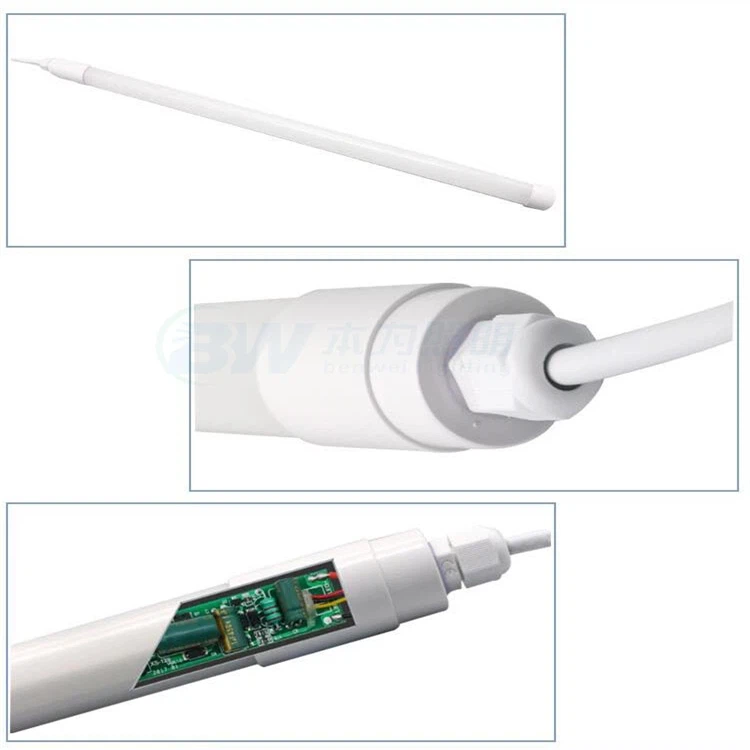
https://www.benweilighting.com/agricultural-lighting/poultry-lighting/egg-laying-light.html
Egg-Laying Lights May Have Some Drawbacks
Despite the fact that egg-laying lights may be advantageous for both farmers and chickens, there are a few possible downsides that should be taken into consideration. One of the factors that might lead to stress and behavioral issues in chickens is prolonged exposure to visible light. This may result in feather pecking, hostility, and other problems that can be damaging to the health of birds and their ability to do their tasks.
Furthermore, chickens who are subjected to exposure to light for lengthy periods of time may be more likely to suffer from reproductive diseases such as prolapse and egg-binding. This may provide a particularly difficult situation for farmers that depend on birds that are both healthy and prolific in order to preserve their bottom line.
Utilizing Egg-Laying Lights in the System
In the event that you are considering installing egg-laying lights for your flock, there are a few things that you should take into consideration. In the first place, it is essential to choose the appropriate lighting system and to ensure that it is constructed appropriately. There are many different kinds of lighting that may be chosen from, such as incandescent, fluorescent, and LED lights. The quantity of your flock and the configuration of your henhouse are two of the many considerations that will play a role in determining the category of light that you choose.
In addition, in order to operate the lighting system, you will need to set up a timer. Keeping your hens exposed to the same quantity of light on a daily basis is essential for the regulation of their reproductive cycles, and this guarantees that they get the same amount of light. In addition, it is essential to keep a close eye on your birds and examine them carefully for any indications of stress or health problems that may be associated with the lighting system.
Final Thoughts
Egg-laying lights are a method that is both natural and has the potential to be beneficial in enhancing the reproductive cycles of chickens. Although there are advantages and disadvantages associated with the use of this technology, it has the potential to be an invaluable instrument for commercial egg producers who are wanting to boost their profitability. You can assist guarantee that the birds in your flock are healthy and prolific by first gaining a knowledge of how egg-laying lights function and then taking the necessary measures to apply them appropriately.





