Imagine stepping into a universe where the weight of each light beam extends much beyond its illuminating touch. The gentle hum of equipment at this facility is accentuated by an unsaid truth: a single spark might be the difference between routine and catastrophe. This is the truth for businesses that work in dangerous settings, where explosion-proof lighting is more than simply a feature-it's a watchful protector against the possibility of disaster.
Understanding Explosion Lighting Proof
Explosion-proof lighting is essential for operations in hazardous environments and is not just a catchphrase or marketing ploy. This specialised lighting was created by engineers to function securely in areas that may include dust, flammable gases, or vapours that might cause explosive circumstances.
Ever ponder how a light bulb may survive a bomb while guaranteeing the security of a whole operation? Explosion proof technology, which is a monument to human ingenuity in its unrelenting quest for safety, holds the key to the solution.
What is lighting that is explosion-proof?
The term "explosion proof" does not mean that lighting fixtures can withstand an external explosion; rather, it refers to the fact that these devices are made to stop an internal malfunction from creating a dangerous environment. In sectors like mining, oil and gas, and chemical manufacture, where hazardous substances are present on a regular basis, this crucial distinction is essential. In order to keep any sparks or flames inside the lighting fixture from escaping and setting off the volatile surroundings, manufacturers painstakingly create explosion-proof lighting fixtures.
How does lighting that is explosion-proof operate?
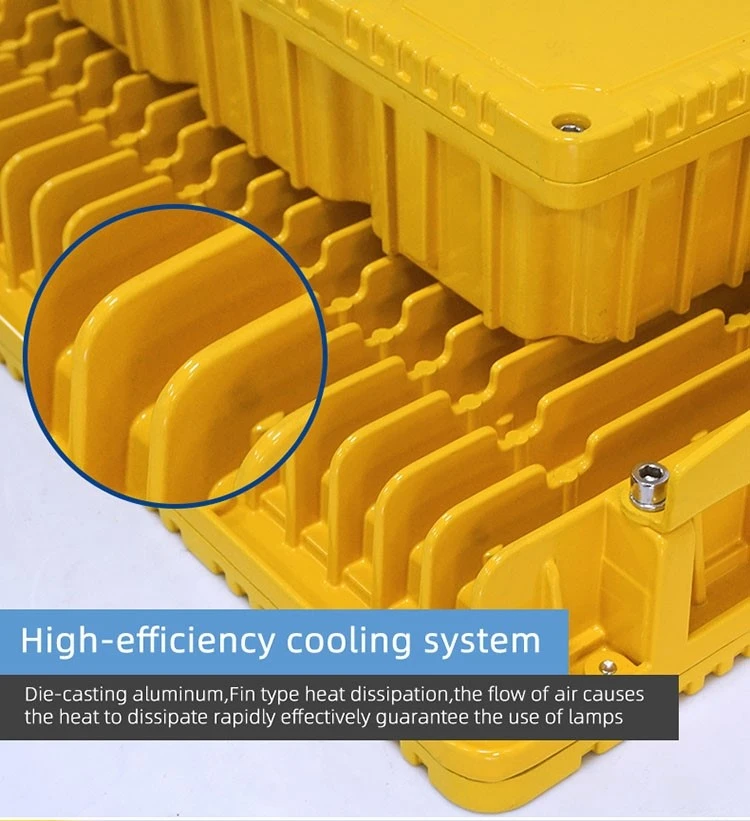
Explosion-proof lighting is based on technical ideas that are both clever and strong. Because they are made with durable materials and seals, these fixtures can survive harsh environments. The electrical parts are enclosed inside the fixture so that the spark or hot gas that results from a malfunction is contained. This design makes sure that any possible source of fire stays away from the potentially dangerous exterior environment, which may contain flammable gases or vapours. The goal is to build an impenetrable fortress that protects against heat and sparks, the tiniest and perhaps most lethal of enemies.