

When it comes to lighting, safety is a top priority in any environment. Whether it's a residential, commercial, or industrial space, choosing the right light for the job can mean the difference between a comfortable, well-lit environment and a potential fire hazard. That's why it's important to understand the difference between fire-resistant lights and regular lights, and what each can offer in terms of safety and performance.
Fire-resistant lights, also known as fire-rated lights, are designed to contain fire and smoke in the event of a fire. They are tested and rated based on their ability to resist fire and maintain integrity for a specified period of time, typically 30, 60, or 90 minutes. These lights are often used in buildings where fire safety is a concern, such as hospitals, schools, and high-rise buildings.
Regular lights, on the other hand, are not designed to contain fire and smoke. They are typically made from materials that can break or melt in the event of a fire, potentially spreading flames and smoke throughout a space. While regular lights are suitable for many applications, they may not be the best choice for environments where fire safety is a top priority.
So, what are some of the key differences between fire-resistant lights and regular lights? Let's take a closer look.
Materials
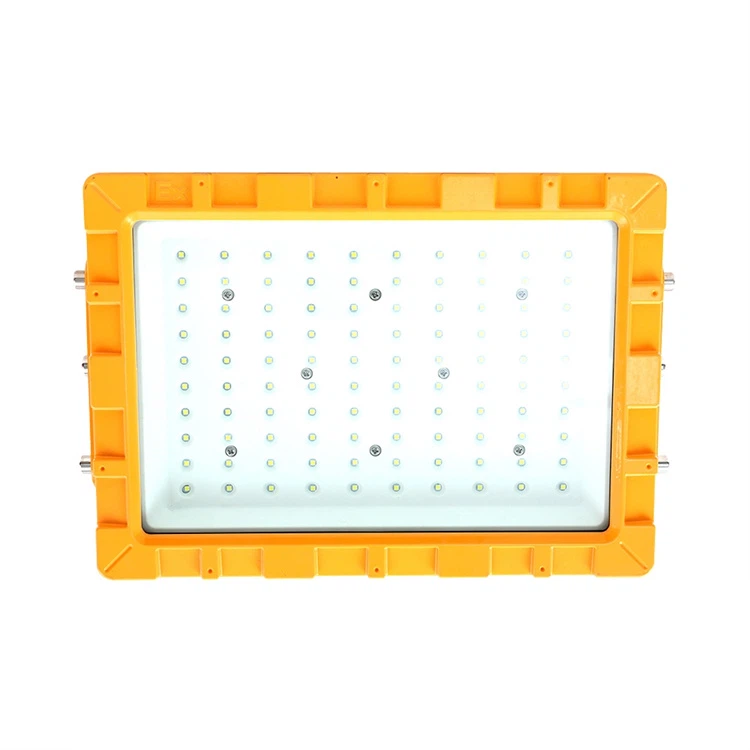
Fire-resistant lights are typically made from materials that are resistant to heat and flame. For example, the housing of a fire-rated light may be made from steel or a fire-resistant plastic, and the lens may be made from tempered glass. These materials are designed to withstand high temperatures and prevent flames and smoke from escaping or spreading.
Regular lights, on the other hand, may be made from a variety of materials, including plastic, glass, and metal. While these materials may be suitable for many applications, they may not be able to withstand the high temperatures and flames of a fire.
Testing and Certification
Fire-resistant lights are rigorously tested and certified to meet strict safety standards. In the United States, fire-rated lights must be tested and rated by an independent testing laboratory such as Underwriters Laboratories (UL). These tests simulate the conditions of a fire and evaluate the light's ability to resist flames, contain smoke, and maintain integrity for a specified period of time.
Regular lights may not undergo the same level of testing and certification as fire-resistant lights. While they may meet certain safety standards, they may not have been tested specifically for fire resistance.
Performance
Fire-resistant lights are designed to perform in the event of a fire. They can help to contain flames and smoke, allowing occupants to evacuate safely and reducing the risk of property damage. Fire-rated lights may also be equipped with features such as emergency backup power and automatic shut-off in the event of a fire.
Regular lights may not perform as well in the event of a fire. If they break or melt, they can potentially spread flames and smoke throughout a space, making it more difficult for occupants to escape and increasing the risk of property damage.
Cost
Fire-resistant lights are typically more expensive than regular lights due to their specialized construction and testing. However, they can provide significant peace of mind in environments where fire safety is a concern.
Regular lights may be less expensive than fire-resistant lights, but they may not provide the same level of safety and performance in the event of a fire. In the long run, the cost of a fire-resistant light may be worth the investment for the added safety it provides.
In conclusion, choosing the right light for the job can be a matter of life and death in some environments. Fire-resistant lights offer a high level of fire safety and performance, while regular lights may not be able to withstand the heat and flames of a fire. Understanding the difference between fire-resistant lights and regular lights is an important step in creating a safe and comfortable environment.





