

When it comes to indoor gardening, LED grow lights have emerged as an alternative that is gaining more and more popularity in recent years. They are superior to other kinds of grow lights in a number of ways, including the fact that they use less energy, have a longer lifetime, and allow for the light spectrum to be customized. However, what about the impact that they have on the growth and development of flowers? This article will discuss the scientific rationale for the use of LED grow lights for the cultivation of flowers.
A Spectrum of Light
Utilizing LED grow lights allows you to tailor the light spectrum to the particular requirements of your plants, which is one of the most significant advantages of utilizing these lights. When it comes to the growth and development of plants, various wavelengths of light have rather distinct impacts. As an example, blue light fosters the development of leaves and vegetative growth, but red light encourages blooming and fruiting inside the plant.
LED grow lights provide you the ability to alter the proportion of blue light to red light, allowing you to cater to the requirements of your flowers at various phases of their development. During the vegetative phase, for instance, you may want to give more blue light in order to support the development of robust stems and leaves. During the blooming phase, on the other hand, you might want to increase the quantity of red light in order to encourage the growth of buds and the creation of flowers.
Attenuation and Length of Time
When utilizing LED grow lights for flowers, the intensity of the light and the length of time it is on are two more significant factors to take into consideration. blooming plants, in particular, need a certain quantity of light in order to initiate the process of blooming. Nevertheless, an excessive amount of light might actually prevent the formation of flowers.
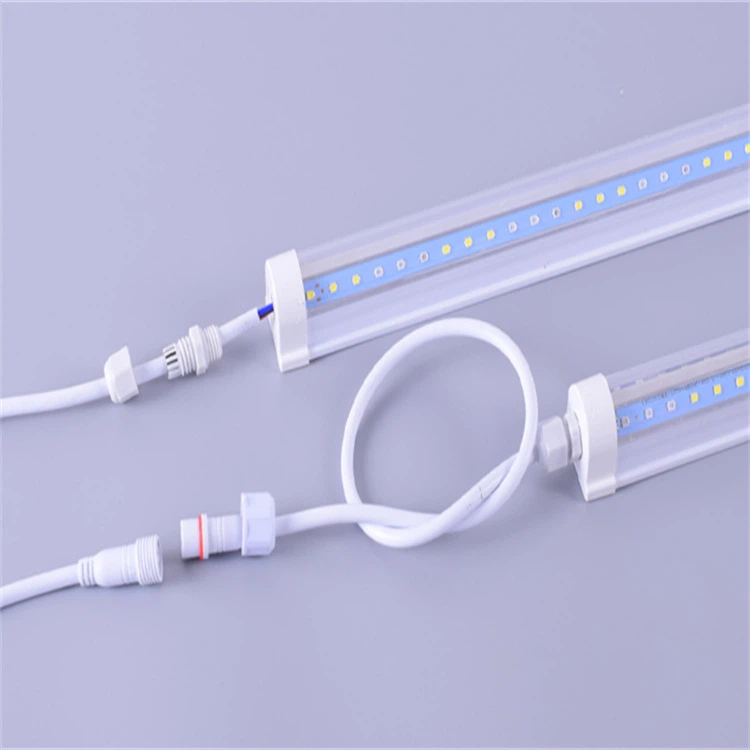
https://www.benweilighting.com/agricultural-lighting/plant-lighting/floral-cultivation-light.html
The appropriate amount of light and the length of time it should be exposed to will be determined by the particular kind of flower you are cultivating as well as the stage of development it is in. In general, young plants need less strong light than adult plants, while blooming plants require longer periods of darkness to commence flower formation. Young plants also require less light than mature plants.
Temperature Temperature is another key factor to take into mind when utilizing LED grow lights for vegetation on flowers. Temperatures that are too high might cause flower buds to fall off or prevent them from developing correctly. LED grow lights generate less heat than other kinds of grow lights, which might assist in maintaining a more consistent temperature in the location in which you are currently cultivating your plants.
Nevertheless, it is still essential to keep a close eye on the temperature in the vicinity of your plants in order to guarantee that it remains within the correct range for the species that you are cultivating.
Final Thoughts
When it comes to cultivating high-quality flowers inside, LED grow lights provide a number of benefits that are worth considering. It is possible to encourage the growth and development of your flowers in a healthy manner by adjusting the light spectrum, the strength of the light, and the length of the light. It is essential to carefully monitor your plants and make any necessary modifications in order to achieve the best possible development and bloom output, just as you would with any other form of cultivation.





