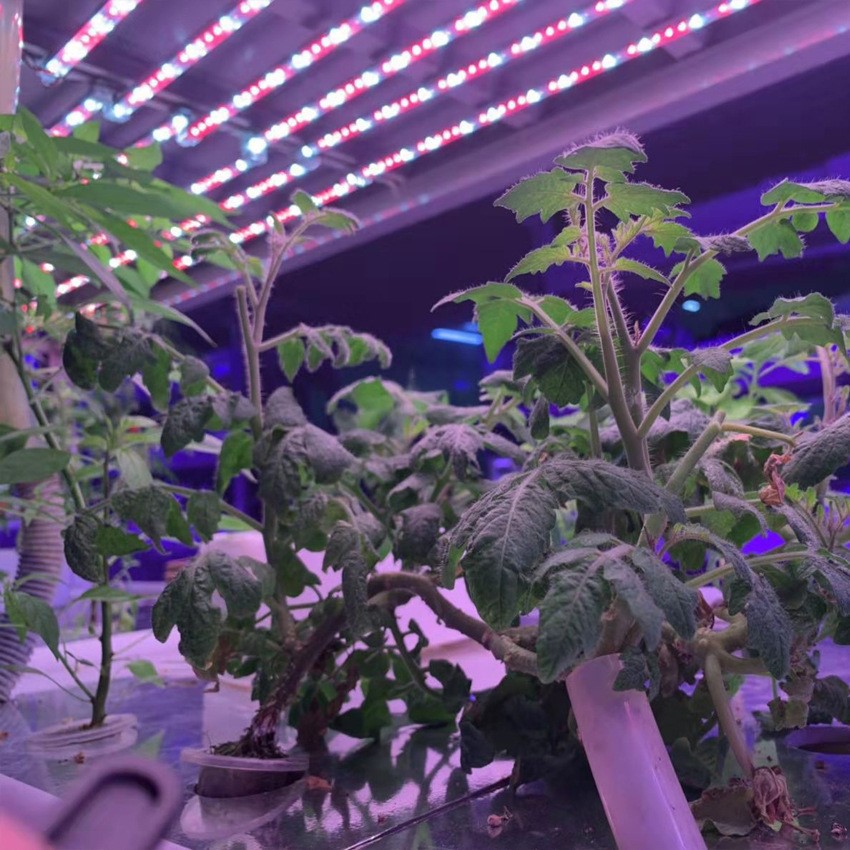
Full spectrum plant growth lights are becoming increasingly popular among gardening enthusiasts, whether they're indoor gardeners, small-scale growers, or hobbyists looking to nurture healthy plants year-round. These lights are designed with a variety of wavelengths that directly support plant growth and development, effectively mimicking natural sunlight to compensate for insufficient natural light in indoor or low-light environments. However, with a flood of options on the market-varying in intensity, spectrum, quality, and price-many people find it challenging to pick the right one that fits their specific needs. This article will take a practical, industry-focused approach, building on key considerations to provide clear, actionable tips on choosing full spectrum plant growth lights, helping you make an informed decision without wasting time or money.
Consider the Light Intensity
Light intensity is one of the most critical factors when selecting full spectrum plant growth lights, as different plants have distinct intensity requirements based on their species and growth habits. Choosing a light with inappropriate intensity can either stunt plant growth or waste energy, so it's essential to match the light intensity to your plants' needs.
Generally, full spectrum plant growth lights with a higher wattage output will deliver greater light intensity, but wattage isn't the only indicator-you should also consider the light's coverage area and distance from the plants. For example, leafy greens like lettuce and spinach require lower intensity, while fruiting plants like tomatoes and peppers need higher intensity to support flowering and fruiting. If you're growing a mix of plants, opt for a light with adjustable intensity or one that's rated for the highest-intensity needs of your plants to ensure versatility.
Evaluate the Spectrum Range
The core advantage of full spectrum plant growth lights is their ability to mimic the natural sunlight spectrum, which is vital for all stages of plant growth. A high-quality full spectrum light should provide a balanced range of wavelengths, with a particular focus on blue and red light-two key wavelengths that drive plant development.
Different growth stages require different ratios of blue and red light: blue light (400-500nm) is crucial for vegetative growth, promoting strong stems, healthy leaves, and robust root development; red light (600-700nm) is essential for flowering and fruiting, encouraging bud formation and fruit ripening. When choosing a full spectrum light, look for models that offer adjustable wavelength ratios or are pre-tuned to support multiple growth stages-this flexibility ensures your light can adapt as your plants mature, from seedlings to harvest.
Check the Light Quality
Light quality directly impacts plant health and growth efficiency, so it's not enough to just focus on intensity and spectrum-you also need to assess the quality of the light emitted by the full spectrum plant growth light. Poor-quality lights may emit uneven light, harsh glare, or even harmful wavelengths that can damage plants over time.
Two key indicators of light quality are the Color Rendering Index (CRI) and Photosynthetically Active Radiation (PAR) output. A high CRI (ideally ≥90) means the light can accurately render the natural colors of plants, allowing you to monitor their health more easily; a high PAR output ensures the light provides sufficient energy for photosynthesis, as PAR is the specific range of wavelengths that plants use to convert light into energy. Prioritize lights with both high CRI and PAR values-they deliver powerful, high-quality light that truly supports healthy plant growth.
Consider the Cost and Value for Money
Full spectrum plant growth lights vary widely in price, from budget-friendly options to high-end models with advanced features. While it's tempting to opt for the cheapest light available, or splurge on the most expensive one, the key is to balance cost with your actual needs to get the best value for money.
Cheaper lights may cut corners on components, resulting in lower light quality, shorter lifespan, or insufficient intensity-they may seem like a bargain upfront but will likely need to be replaced more frequently, costing you more in the long run. On the other hand, expensive lights with advanced features (like smart controls or adjustable spectrum) may be overkill if you're a casual gardener with a small indoor setup. Assess your needs first: consider the number and type of plants you're growing, your growing space, and how long you plan to use the light. Then set a budget and choose a model that offers the core features (intensity, spectrum, quality) you need without unnecessary extras.
Summary
In summary, choosing the right full spectrum plant growth light doesn't have to be complicated-you just need to focus on four key factors: light intensity, spectrum range, light quality, and cost. By matching the light intensity to your plants' needs, selecting a model with a balanced, adjustable spectrum, prioritizing high CRI and PAR values for quality, and choosing a light that fits your budget and usage, you can find a product that supports healthy plant growth and delivers long-term value.
If you're unsure how to choose the right full spectrum plant growth light for your specific plants (such as leafy greens, fruiting plants, or seedlings) or need help selecting a model that fits your space and budget, please feel free to contact our professional team. We offer high-quality full spectrum plant growth lights with adjustable intensity, balanced spectrum, and excellent PAR/CRI performance, and our experts can provide one-on-one guidance to help you find the perfect solution for your gardening needs.
|
Model |
LED plant grow light |
|
Rated Voltage |
AC 85-265V |
|
Material |
Aluminum Alloy |
|
LED Chip |
SMD2835 |
|
Beam Angle |
120/180 |
|
warranty |
5 years |
|
CRI |
>85ra |
|
IP rating |
IP65 Waterproof |
|
Rated Power |
9W /12W /18W /26W /36W |
|
Lifespan |
>50000Hours |