

Swimming pools are used for more than simply swimming; they may also be used for nighttime parties, family get-togethers, and leisure. A pool area's appearance and atmosphere may be totally changed with the correct lighting. Using LED strip lights is one of the most common ways to accomplish this transition.
LED strips are adaptable, flexible, and energy-efficient. They can provide illuminating stairs, draw attention to the pool's boundaries, or even give water features vibrant color displays. However, you cannot use any LED strip in pool situations where water, chlorine, or salt are present all the time. You must use the appropriate kind and follow the required installation, voltage, and waterproofing procedures.
Everything you need to know will be covered in this book, from selecting the best LED strip and comprehending IP classifications to installation advice, safety regulations, and innovative design concepts. By the time it's all over, you'll know how to design, purchase, and install LED strip lighting that will make your pool long-lasting, fashionable, and safe.
What Is Swimming Pool Lighting?
LEDs, lightbulbs, and other light sources placed underwater or along the pool's edge are referred to as swimming pool lighting. It improves safety and aesthetics in addition to illuminating the area. A pool may be used comfortably after dark with the right illumination, which lowers the possibility of slips, falls, and other mishaps that could happen in low light.
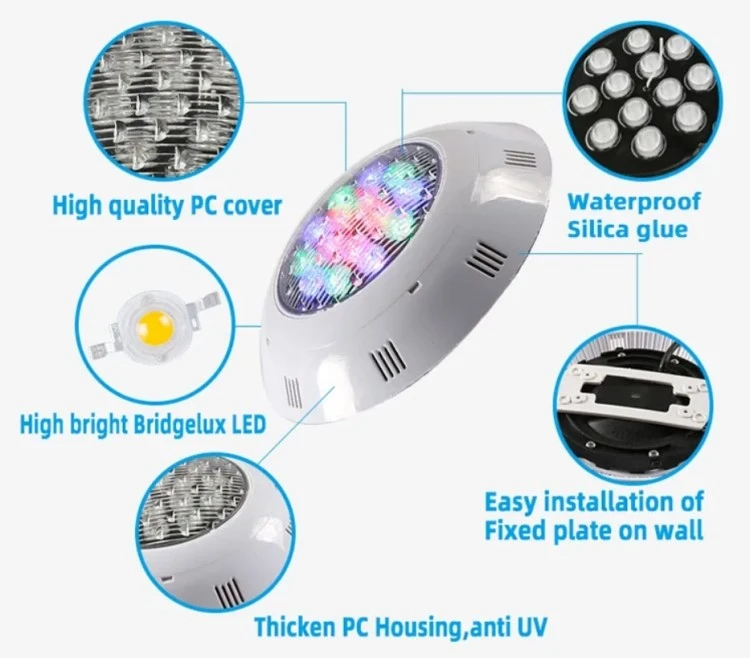
Pool lighting contributes significantly to mood and enjoyment in addition to practicality. For late-night parties, nighttime swimming, or just lounging by the lake, it fosters a friendly atmosphere. Contemporary lighting schemes may even turn a pool into a visually arresting element that looks fantastic in pictures, making it ideal for social media sharing and "Instagram-worthy" occasions.
Pool lighting makes the pool a focal point for both daylight and evening enjoyment by improving functionality, safety, and design.
Common Types of Pool Lighting
There are several ways to light up a swimming pool. Each option has its own pros and cons, but in recent years, LED pool lights have become the most popular choice.
Halogen Pool Lights
Halogen lights were widely used in the past. They are bright, but they waste a lot of energy, give off too much heat, and burn out quickly. Because of high running costs and short lifespan, halogen pool lighting is now being replaced by LED pool lights.
LED Pool Fixtures
These are modern wall-mounted lights that fit inside the pool. They provide strong, even light while using very little energy. LED fixtures come in both white and color-changing models. They last much longer than halogen bulbs and are now the standard choice for many pool owners.
Fiber Optic Pool Lighting
Fiber optic systems use cables to carry light from a source outside the pool. They are very safe because there is no electricity in the water. However, they are not very bright, need regular maintenance, and cost more to run. For this reason, fiber optic pool lights are less common today.
LED Strip Lights for Pools
LED strip lights are flexible, low-voltage strips, and waterproof. They can run along the edges of the pool, highlight steps, or even go underwater if rated IP68. These strips can glow in warm white for a relaxing feel, or in RGB/RGBW colors for parties and fun effects. With smart controllers, you can even manage them by phone or remotely. Because they are safe, energy-saving, and stylish, LED strip lighting is quickly becoming one of the top choices for swimming pool lighting.
Why Choose LED Strips for Swimming Pools
Pool owners are increasingly choosing LED strip lights for the following reasons:
Energy Saving: When compared to outdated halogen lights, they consume significantly less power. You don't have to worry about paying a lot of money to keep your pool blazing all night.
Long Life: High-quality LED strips have a 30,000–50,000 hour lifespan. This implies less trouble and fewer replacements.
Safe Around Water: Compared to high-voltage systems, they operate on low voltage (12V or 24V), making them far safer near water.
LED strips are pliable due to their flexible design. They can wrap around corners, delineate steps, or follow the contours of your pool.
Colors & Effects: RGB/RGBW strips are a great option for parties with color-changing effects, or warm white for a soothing swim.
Smart Control: A lot of strips have the ability to link to smart home systems, phone applications, and remote controls. Instant dimming, color changes, and scene setting are all possible.
Waterproofing & Safety Standards for LED Pool Lighting
Safety and waterproofing should always be the top priorities when it comes to LED strip lights for swimming pools. Pool lighting is constantly exposed to water, chemicals, and even salt, unlike indoor or ornamental lights. Selecting the appropriate degree of protection guarantees years of dependable operation and keeps your system secure.
Step-by-Step Installation Guide for Pool LED Strip Lights
1. Make a plan and take measurements
Selecting the locations of the LED strips-perimeter borders, steps, underwater, or water features-is the first stage.
To account for connections and corners, measure the length of each section and add a small amount.
Draw a basic wiring diagram that indicates the locations of the drivers and controllers.
2. Get the Surface Ready
To get rid of dust and oil, clean the mounting surface with alcohol or a comparable solution.
Prior to installation, make sure the surface is dry to provide adequate sealing and adhesion.
3. Install the Strips
To secure the LED strips, use mounting clips, aluminum tubes, or specialized pool-grade glue.
For curves, utilize flexible neon strips or connections rather than bending strips sharply around corners.
Add opal diffusers for a polished, seamless finish if you're utilizing channels.
4. Attach and Close
Use the appropriate driver to match the voltage (12V or 24V) of the LED strip.
Use only IP68 waterproof connections, and use adhesive heat-shrink tubing or resin kits to seal them.
To prevent damage, double-check the (+ and -) polarity while combining strips.
5. Position Controllers and Drivers
All power supplies, controllers, and drivers should be kept in a dry, well-ventilated location away from the pool area.
Installing an RCD or GFCI (Ground Fault Circuit Interrupter) will safeguard against electrical malfunctions.
Make sure the controller box can receive Bluetooth or Wi-Fi signals if you're utilizing smart controls.
6. Conduct a test prior to final sealing
Turn the system on to make sure the effects, colors, and brightness are all operating as they should.
Verify that the lighting is uniform and search for any areas that appear faint due to a power drop.
After testing, firmly seal all exposed ends and connections.
7. Permit Appropriate Curing
Before submerging the lights in water, let any sealants or adhesives completely dry.
For optimal results, adhere to the manufacturer's suggested curing period.
FAQs About Pool LED Strip Lights
1. Can LED strip lights be cut to size?
Yes. Most LED strips are designed with cut points (usually every few centimeters) where you can safely trim them to fit your pool design. Always reseal the cut end with an IP68-rated end cap and waterproof adhesive.
2. Do LED pool strips attract insects at night?
Compared to traditional halogen lights, LEDs attract fewer insects because they emit less UV and heat. Warm white LED strips are the least attractive to bugs.
3. Can solar power be used for pool LED strips?
Yes, if the system is designed properly. Low-voltage LED strips can run on solar panels with a battery and driver, but you'll need enough capacity to handle nighttime usage.
4. Are LED pool strips safe for saltwater pools?
High-quality strips with PU or silicone coatings and proper sealing are safe for saltwater environments. Avoid cheaper PVC-coated strips, as they break down faster in saltwater conditions.
5. Can LED strip lights sync with music or smart home systems?
Yes. Many smart controllers allow LED strips to sync with music beats, voice assistants, or home automation platforms (like Alexa, Google Home, or DMX systems).
6. What is the average cost of running LED pool strips?
Very low. On average, a 10-meter strip at 14W per meter uses about 140W total. Running it for 5 hours a night costs just a few cents, depending on local electricity rates.
7. Can LED pool strips be repaired if damaged?
Minor issues, such as a loose connector or damaged section, can often be fixed by cutting out the faulty piece and resealing. However, if water has penetrated deeply, replacement is usually the safer option.
Shenzhen Benwei Lighting Technology Co., Ltd
Contact: COCO
Telephone: +86 755 27186329
Mobile: +86 18878216759 Email: bwzm6@ledbenweilighting.com
Whatsapp: +86 18878216759 Signal: +8618878216759
Skype: https://teams.live.com/l/invite/FEACHIzdTqNTshE4gU
Website: https://www.benweilighting.com/





