

These days, tube lights are used in a lot of places, both inside and outside. Because they are efficient, flexible, and useful, they are often chosen for a wide range of tasks. This article goes into great detail about tube lights, including their basic functions, different types, recent technological advances, advantages, and how to choose the best tube light for your needs.
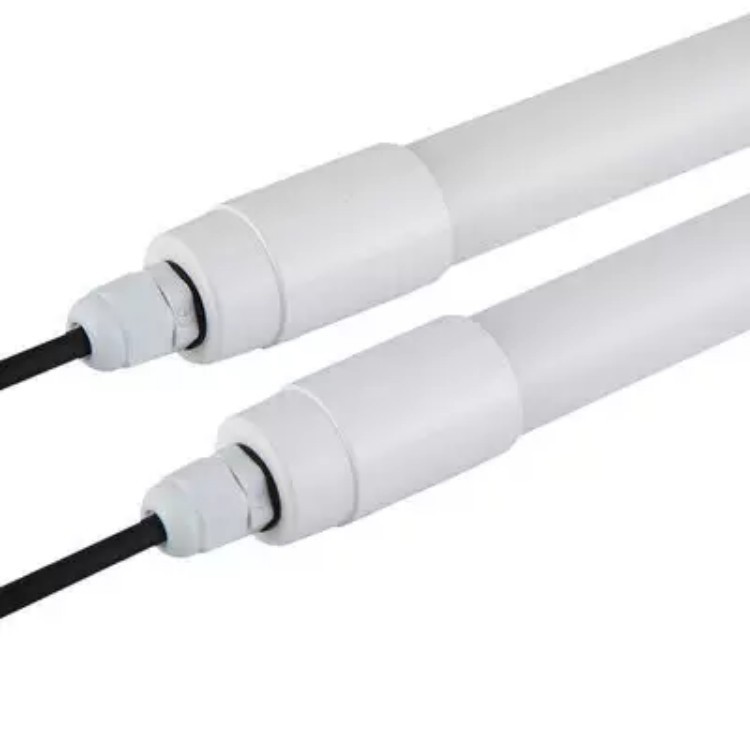
The How and Why of Tube Lights
Tube lights work because of how physics and chemistry work. Gases like argon, krypton, and neon are often used in tube lights. These gases are very important to the process of giving off light. The gas gives off energy in the form of photons when an electric current flows through it. The phosphor coating, which is made up of materials like calcium, barium, and strontium, gives off visible light when this energy hits it. This whole process makes sure that the light goes all the way along the tube, which is why they are great for long surfaces. The color temperature of the light can also change depending on the phosphor that is used. This means that the atmosphere can be changed to suit your needs.
Furthermore, progress in technology has made it possible for energy-saving fluorescent tube lights to be created. These lights use less electricity while still being bright. Not only does this help lower electricity bills, it also makes a big difference in lowering carbon footprints. When LED tube lights came out, they were even more energy-efficient because they last longer and use less power. They also give off light right away, unlike traditional fluorescent tubes, which need time to warm up.

What Makes Up a Tube Light
Most tube lights have several parts that work together to make the whole thing work. Some of these are:
Glass Tube: Keeps the parts safe and surrounds the gas.
There are electrodes at both ends of the wire that help the electric current flow.
Phosphor Coating: Covers the inside of the tube and changes ultraviolet light into visible light.
Ballast controls the flow of electricity and gives the lamp the voltage it needs to turn on.
By understanding these parts, you can better understand how tube lights work and why they are better than other lighting options. For example, the ballast not only makes sure that the tube light works well, but it also keeps the electrodes from getting damaged by changes in voltage. This is very important for keeping the tube light in good shape and making it last a long time, especially in places where electrical surges can happen. The design of the glass tube can also be changed, and materials that are harder to break can be used to make areas with a lot of foot traffic safer.
Also, a lot of new tube lights have built-in features like the ability to dim and work with smart technology. This lets users change the level of brightness or control the lighting from afar, which makes lighting design easier and more flexible. These new ideas show how tube lights are always changing, making sure they stay useful and able to meet the many needs of modern spaces.
Different Kinds of Tube Lights
There are different kinds of tube lights, and each one is made for a different purpose and setting. Because they are so flexible, they can be used in a wide range of places, from homes to factories.
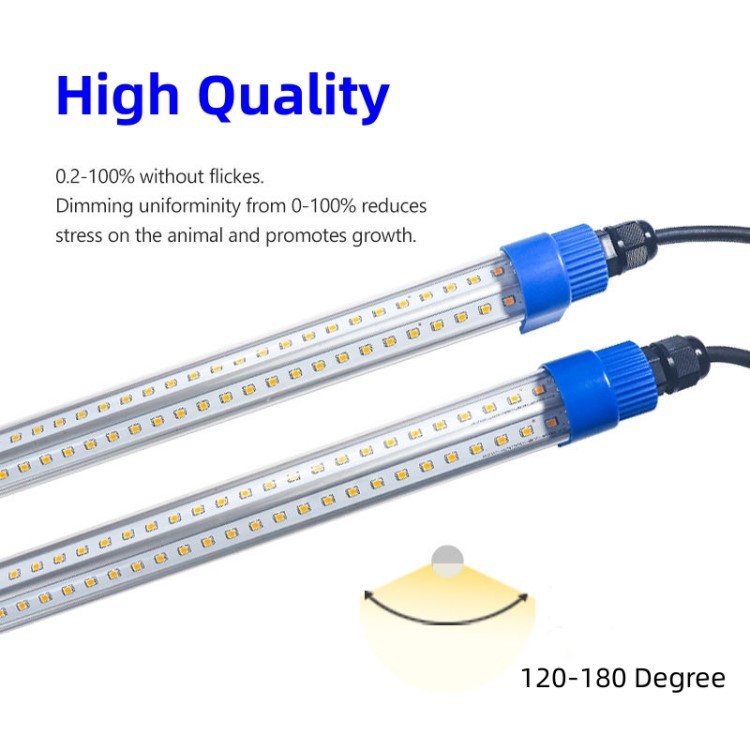
Lights that come from tubes
For many years, fluorescent tube lights have been a reliable way to light a room. People like them because they give off a bright white light while using less electricity than incandescent bulbs. These lights usually come in a number of different sizes and color temperatures, so they can be used in a number of places, including classrooms, offices, and stores.
Shenzhen Benwei Lighting Technology Co., Ltd was established in 2010. It is a national high-tech enterprise integrating design, R&D, production and sales of indoor and outdoor lighting products and also can do OEM ,ODM .For more details about our offerings, please contact us at bwzm18@ledbenweilighting.com





