

Poultry breeding practice has consistently verified that the physiological state and mental comfort of laying ducks are core factors affecting egg production efficiency and egg quality. As a typical photoperiod-dependent poultry species, the laying cycle, metabolic level, and stress response of domestic ducks are closely regulated by environmental light conditions. In commercial and family duck breeding systems, insufficient natural light duration and uneven light distribution in duck coops often lead to abnormal estrous cycles, increased stress levels, and reduced continuous egg-laying performance of ducks. Reasonable artificial supplementary lighting in duck houses has gradually become a standardized auxiliary breeding technology. This study systematically analyzes the functional mechanism of duck house lamps in regulating duck physiological metabolism, alleviating environmental stress, and stabilizing egg-laying rhythm, and explores the scientific application strategies of duck house lighting facilities, so as to provide theoretical support for improving duck breeding benefits and standardized breeding management.
Physiological Lighting Requirements of Laying Ducks
Basic Photoperiod Threshold for Normal Egg Laying
The photoperiod is the primary environmental signal that regulates the reproductive endocrine system of laying ducks. A large number of poultry physiology experiments have confirmed that adult laying ducks require a minimum daily light exposure of 14 hours to maintain stable gonad development and continuous egg-laying behavior. Light stimulation acts on the hypothalamic-pituitary-gonadal axis of ducks, promoting the secretion of follicle-stimulating hormone and luteinizing hormone, which are key hormones for follicle maturation and ovulation. When the daily natural light duration is less than 14 hours, the endocrine secretion level of ducks decreases significantly, resulting in delayed follicle development, reduced ovulation frequency, and even temporary cessation of egg laying. In high-latitude regions and winter seasons, the natural light duration is usually limited to 8–12 hours, which cannot meet the basic physiological needs of laying ducks, making artificial supplementary lighting an indispensable breeding measure.
Light Intensity and Spectrum Adaptation Characteristics of Ducks
In addition to photoperiod duration, light intensity and spectral characteristics also directly affect the physiological comfort and laying state of ducks. Different from chickens and other poultry, ducks have more sensitive retinal photoreceptors and are extremely susceptible to strong light stimulation. Excessively high light intensity will cause photostimulation stress, leading to increased duck restlessness, frequent panic reactions, elevated cortisol levels in the body, and then inhibiting reproductive hormone secretion. Conversely, soft and uniform low-wattage light can form a stable and comfortable light environment in the coop, effectively adapting to the visual physiological characteristics of ducks. Practical breeding data show that the optimal light intensity for laying duck coops is 15–25 lux, and warm white soft spectrum light is more conducive to maintaining the mental stability and metabolic balance of ducks compared with cold high-brightness light sources.
Mechanism of Duck House Lighting on Improving Duck Breeding State
Alleviation of Environmental Stress and Improvement of Physiological Comfort
Domestic ducks have timid behavioral characteristics and low tolerance to sudden environmental changes, shadows, and dim light environments. Dark and shadowy duck coop environments are easy to trigger the fear and anxiety response of ducks, resulting in chronic stress. Long-term chronic stress will not only reduce the feed conversion rate and immune level of ducks but also seriously interfere with the normal operation of the reproductive endocrine system. Reasonable duck house lighting can eliminate dead-angle shadows in the coop, realize full-area uniform illumination, reduce the environmental contrast between light and dark, and avoid the stress response caused by sudden light changes and shadow fluctuations. Stable light environment can effectively reduce the cortisol content in duck blood, relieve physiological stress, maintain the normal metabolic rhythm of the body, and lay a physiological foundation for continuous and stable egg production.
Stabilization of Photoperiod Rhythm and Continuous Egg-Laying Cycle
The egg-laying behavior of ducks is a typical rhythmic physiological activity dominated by the photoperiod cycle. Natural light has obvious seasonal and diurnal variability, which leads to irregular fluctuations in the light signal received by ducks, resulting in intermittent and unstable egg-laying cycles. Artificial duck house lighting can make up for the deficiency of natural light in low-light seasons and cloudy weather, fix the daily effective light duration at the optimal 14–16 hours, and form a stable light cycle rhythm. This fixed photoperiod signal can continuously stimulate the reproductive axis of ducks, maintain the continuous maturation and ovulation of ovarian follicles, avoid egg-laying stagnation caused by light shortage, and significantly improve the total annual egg production and egg-laying continuity of duck flocks.
Comprehensive Value of Standardized Duck House Lighting Configuration
Improvement of Egg Production Efficiency and Economic Benefits
The core economic value of duck house supplementary lighting lies in the stable improvement of egg production performance. Under the condition of scientific light management, the laying rate of duck flocks in winter and low-light periods can be increased by 15%–25% compared with the natural light breeding group, and the discontinuation rate of egg laying is significantly reduced. Meanwhile, the stable physiological state of ducks brought by a comfortable light environment can also improve egg quality indicators, including uniform egg size, smooth eggshell surface, and stable yolk color, which further improves the market value of duck eggs. For large-scale duck breeding farms and family breeding households, low-cost lighting facilities can bring sustained and stable breeding income growth, with high input-output ratio.
Optimization of Duck Coop Breeding Environment and Aesthetic Layout
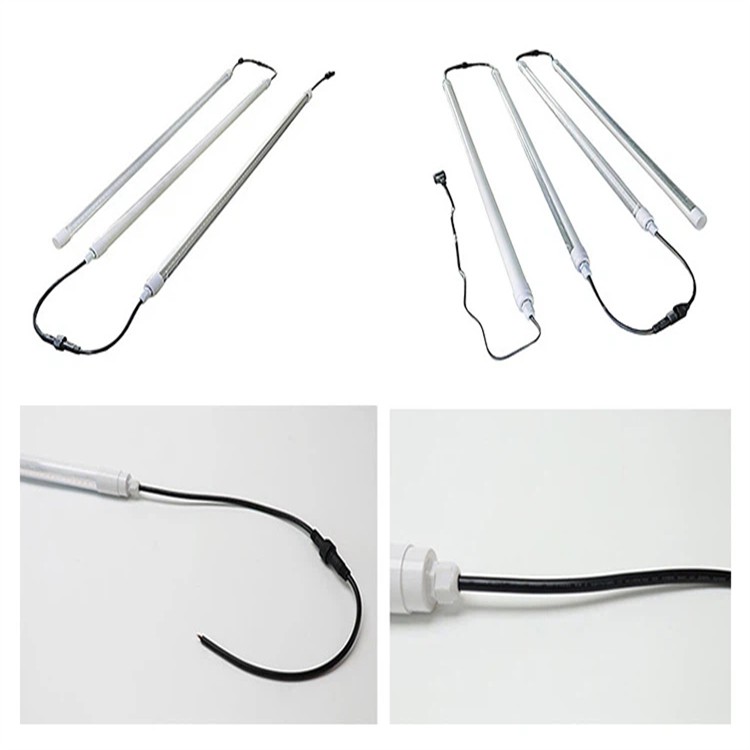
Modern duck house lighting equipment not only undertakes the functional role of physiological regulation and light supplement but also has the value of optimizing the breeding environment. At present, most breeding-specific lighting lamps on the market adopt targeted structural design for duck coop breeding scenarios, with waterproof, dustproof, and anti-corrosion functional characteristics, which are suitable for the humid breeding environment of duck coops. In terms of spatial layout, standardized lighting configuration can realize uniform light distribution in the coop, avoid local dark areas and damp mildew caused by long-term darkness, reduce the breeding of bacteria and parasites, and improve the overall sanitary conditions of the breeding area. In addition, the soft warm light can form a regular and orderly spatial aesthetic of the duck coop, realizing the organic combination of functional breeding and standardized environmental construction.
Scientific Application Principles of Duck House Lighting System
Light Source Selection Principle
In the selection of duck house lighting equipment, low-wattage, low-glare, and soft-spectrum light sources should be taken as the core standard. High-power high-brightness bulbs and cold strong light sources should be avoided to prevent visual stimulation and stress damage to ducks. It is recommended to select special poultry breeding warm white LED lights, which have the advantages of low energy consumption, long service life, stable light spectrum, and no stroboscopic flicker, and can continuously provide uniform and soft light stimulation for duck flocks. Meanwhile, the light source should have adjustable brightness and timing functions, which is convenient for flexible adjustment according to seasonal changes, duck age, and laying state.
Photoperiod Management Strategy
In terms of light time management, a fixed photoperiod system should be established according to the growth stage of ducks. For adult laying ducks, the daily total light duration (natural light + artificial supplementary light) should be stably maintained at 14–16 hours. In winter and short-day seasons, the supplementary light time can be increased appropriately to ensure the threshold light duration; in summer with sufficient natural light, auxiliary dimming equipment can be matched to avoid excessive light duration. At the same time, the light switching should follow the gradual change principle, avoid sudden light on and off, and simulate the natural light change law to reduce the stress response of duck flocks.
Conclusion
Duck house lamp supplementary lighting is a key standardized breeding technology that integrates physiological regulation, stress relief, and environmental optimization. Scientific light supplement can effectively meet the photoperiod physiological needs of laying ducks, stabilize the secretion level of reproductive hormones, maintain a continuous egg-laying cycle, and significantly improve the egg production efficiency of duck flocks. At the same time, a reasonable light environment can alleviate the environmental stress of ducks, improve their physical health and mental comfort, and reduce the incidence of breeding diseases. In addition, standardized lighting configuration can optimize the sanitary and spatial environment of the duck coop, realizing the dual improvement of breeding economic benefits and breeding management level. In modern duck breeding production, following the physiological lighting characteristics of ducks and formulating scientific and standardized lighting management strategies is of great practical significance for promoting the healthy and efficient development of the duck breeding industry.

How To Cooperate With Us?
We are quite happy that we have total control over the manufacturing process and the calibre of our products because of our own facilities. Since we are producers rather than just brokers, we are dedicated to providing our customers with the best cost. Since we are certain that the price and quality of our products are transparent, we urge customers to assess our samples first. Our commitment to quality and customer satisfaction drives us to continuously provide top-notch goods.
Our address
3rd Floor, 5th Building, Hebei Industrial Park, Hualian Community, Longhua District, Shenzhen, China





