As a conscientious farmer, you understand the importance of ensuring the comfort and well-being of your cows. Livestock farming is not only about providing basic feed and shelter for cattle, but also about creating a scientific, comfortable and growth-friendly living environment. The physical and mental state of cows directly determines their growth rate, immunity, reproduction efficiency and milk production quality, which is closely linked to the economic benefits and sustainable development of the entire farm.One crucial factor in this regard is taking into account their natural sleep cycles. Sleep is an indispensable physiological process for all mammals, and cows are no exception. High-quality and regular sleep can help cows repair body tissues, restore physical strength, regulate endocrine levels, and enhance body immunity, while irregular or poor-quality sleep will lead to listlessness, decreased appetite, weakened resistance to diseases, and a sharp decline in production performance.Just like humans, cows experience a circadian rhythm that affects their sleep patterns and overall health. Their internal biological clock is formed through long-term natural evolution, closely following the alternation of day and night in nature. This circadian rhythm dominates their feeding, activity, rest and sleep behaviors throughout the day. Once the external light environment disrupts this biological clock, cows will experience stress responses, sleep disorders and a series of sub-health problems.By adjusting your lighting system to cater to these cycles, you can enhance your animals' comfort, productivity, and overall health.Scientific lighting regulation is a low-cost and high-efficiency breeding management method, which can effectively avoid various health risks caused by light disorder, stabilize the physiological state of cows, and lay a solid foundation for efficient and healthy breeding.
The key to achieving this is to mimic the natural patterns of daylight and darkness that cows would experience in their natural habitat. In the wild state, cows live in an environment with alternating bright days and dark nights. They are active and feed sufficiently under bright natural light during the day, and enter a stable sleep and rest state in dark environments at night. This regular light and dark cycle helps them form a stable circadian rhythm and maintain normal physiological metabolism. However, modern intensive farm breeding often breaks this natural rule. Many closed and semi-closed barns have unreasonable lighting settings, such as insufficient light during the day, long-term bright light at night, and sudden switching between light and dark, which seriously interfere with the sleep cycle of cows.This means providing bright light during the daytime hours and reducing or eliminating light during the night.Only by maintaining bright and uniform light during the day and dark and quiet light conditions at night can we fit the biological habits of cows. Some tips to achieve this include:
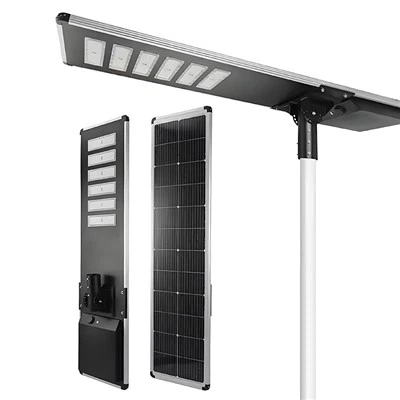
1. Install lighting systems that can be programmed to simulate natural daylight conditions. Traditional barn lighting mostly uses ordinary fixed lamps, with single light intensity and fixed color temperature, which cannot change with the natural environment and cannot meet the refined lighting needs of cows. Modern agricultural breeding lighting equipment has achieved intelligent and precise control, bringing great convenience to farm management. Modern LED lighting systems can be designed to automatically adjust their intensity and color temperature according to the time of day and season.LED lamps are energy-saving, durable, low heat and high brightness, which are very suitable for long-term use in closed barns. The programmable control system can set different light intensities and color temperatures for different time periods: for example, soft warm white light with moderate brightness in the morning to simulate sunrise, high-brightness positive white light at noon to simulate midday sunlight, and warm dim light in the afternoon to simulate sunset. At the same time, it can also adapt to seasonal changes, increase lighting time and brightness in short-day winter, and appropriately adjust light parameters in long-day summer, so that the indoor light environment is always close to the natural outdoor light state, helping cows maintain a stable circadian rhythm.
2. Ensure that your cow barns have windows or skylights that allow natural light to enter during the day. atural light is the most suitable and healthy light source for cow growth and sleep rhythm regulation, which contains a full spectrum of light that artificial light cannot fully simulate, and can effectively stimulate the endocrine system of cows and regulate their biological clock. Therefore, making full use of natural light is the primary premise of barn lighting management.This is especially important during the winter months, when daylight hours are shorter.In winter, the sunrise is late and the sunset is early, and the effective natural light duration is greatly shortened. Insufficient indoor light will make cows depressed, inactive, and unable to carry out normal physiological regulation, resulting in poor sleep quality at night. Reasonably designed windows and skylights can maximize the introduction of natural light, make the barn bright and transparent during the day, ensure that cows receive sufficient light stimulation, stabilize their biological clock, and enable them to form a good alternating law of day activity and night sleep. For closed barns with poor natural light conditions, we can also appropriately expand the light transmission area on the premise of ensuring heat preservation and safety to make up for the lack of winter daylight.
3. Use curtains or blinds to darken the cow barns during the night.In modern farm production, many barns are often affected by external light sources at night, such as farm street lights, vehicle lights, and ambient light from surrounding buildings. Even faint stray light will interfere with the sleep of cows, make their brains in a slight excited state, and unable to enter deep sleep. This can help your cows sleep more comfortably and naturally.Installing shading curtains and adjustable blinds is a simple and effective shading measure. These shading facilities can completely block external stray light at night, create a completely dark and comfortable rest environment for cows, eliminate light interference, help cows quickly enter a stable sleep state, prolong deep sleep time, and improve sleep quality. At the same time, the curtains and blinds can be opened freely during the day to ensure the entry of natural light, which will not affect the daytime lighting effect of the barn.
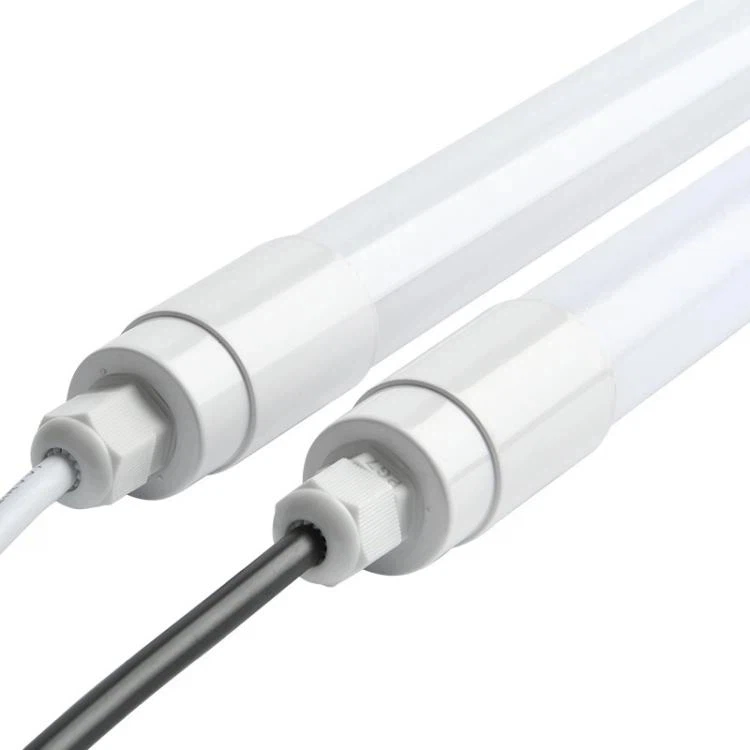
4. Consider implementing a gradual transition from light to dark at dusk. In the natural environment, the sun sets slowly, and the ambient light changes from bright to dark gradually, giving animals enough time to adapt to environmental changes. However, many farms currently adopt the way of turning off the lights uniformly and suddenly at dusk, which will make the indoor light change drastically in a short time. Sudden light dimming will easily cause cows to be frightened, resulting in stress reactions such as panic, restlessness and frequent walking.This can help your cows adjust to the changing conditions and reduce stress and anxiety.By setting a gradual dimming program for intelligent LED lighting systems, the indoor light intensity can be slowly reduced within 30 to 60 minutes at dusk, simulating the natural sunset light change process. This gentle transition mode can buffer the sensory stimulation of cows, let their eyes and nervous system slowly adapt to the dark environment, effectively reduce breeding stress, make their mood more stable, and lay a good foundation for night sleep.
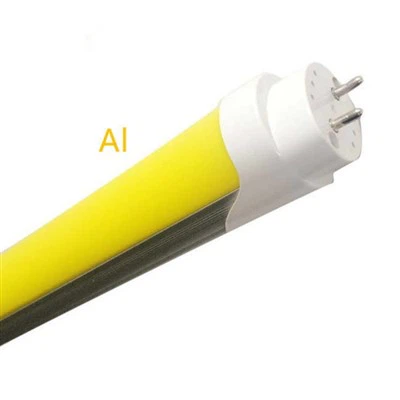
5. Use red or orange lights during the nighttime hours.Many farmers will turn on night lights in the barn all night to facilitate night inspection, feeding and health observation, but most white and blue night lights will seriously interfere with the sleep rhythm of cows. Relevant animal husbandry research data shows that cows are extremely sensitive to short-wave light such as white light and blue light, which will inhibit the secretion of melatonin, the sleep hormone, and keep the body in an active state. These wavelengths of light have been shown to be less disruptive to sleep patterns and can help your cows feel more relaxed.Red light and orange light belong to long-wave soft light, which have low stimulation to the visual system and nervous system of cows, and will not affect the normal secretion of melatonin. Turning on low-brightness red or orange night lights at night can not only meet the daily inspection and management needs of farmers, but also avoid disrupting the sleep cycle of cows, keep their sleep state stable, and ensure that cows can get sufficient rest even with auxiliary night lighting.
By implementing these adjustments, you can help your cows to sleep better and experience improved health and productivity. High-quality sleep can significantly enhance the physical fitness of cows, improve their immunity, reduce the incidence of respiratory diseases, gastrointestinal diseases and stress diseases, and reduce the use of veterinary drugs and breeding costs. At the same time, stable circadian rhythm and good sleep state can regulate the metabolic level of cows, promote healthy growth and stable reproduction.This can also have a positive impact on milk production, as cows that are well-rested and comfortable tend to produce higher-quality milk.Dairy cows in a good sleep state have stronger appetite, more sufficient nutrient absorption, more stable endocrine, higher milk yield, and the milk protein, milk fat and other quality indicators of milk will be significantly optimized, which can effectively improve the economic benefits of dairy farming.
In addition to lighting adjustments, it is important to consider other factors that can affect your cows' sleep patterns. Light is the core factor affecting the circadian rhythm of cows, but the sleep quality of cows is also affected by multiple environmental factors.These may include temperature, noise levels, and bedding quality.The suitable living and sleeping temperature for cows is between 10℃ and 20℃. Too high or too low temperature will make cows feel uncomfortable and unable to sleep stably. Continuous noise such as mechanical operation, personnel walking and livestock shouting in the barn will also disturb the rest of cows and break their sleep cycle. In addition, flat, soft and dry bedding can reduce the physical pressure on cows' bodies and avoid physical discomfort caused by hard and humid ground, while poor bedding quality will directly affect their rest experience. By providing a comfortable and stress-free environment for your cows, you can help them lead healthier and happier lives.Only by coordinating all environmental management work and taking multiple measures to create a suitable breeding environment can we maximize the sleep quality and health level of cows.
In conclusion, adjusting your lighting system to cater to the natural sleep cycles of your cows is an essential step in ensuring their comfort and well-being. As a refined and scientific breeding management method, targeted lighting adjustment conforms to the natural living habits of cows, and is of great significance for improving the overall health of cattle groups and optimizing breeding benefits.By mimicking natural patterns of light and darkness, you can help your cows sleep better and experience improved health and productivity. As a refined and scientific breeding management method, targeted lighting adjustment conforms to the natural living habits of cows, and is of great significance for improving the overall health of cattle groups and optimizing breeding benefits.Consider partnering with a lighting professional to develop a tailored lighting system for your farm and consult with other experts to ensure that your cows' overall living conditions are optimized.Different farm scales, barn types, breeding varieties and growth stages of cows have different lighting needs. Professional lighting technicians can formulate personalized and precise lighting schemes according to the actual situation of the farm. At the same time, combining the professional guidance of animal husbandry breeding experts to optimize temperature control, noise reduction, bedding management and other work can create a fully comfortable growth environment for cows. Your cows will thank you!

How To Cooperate With Us?
Because of our own facilities, we have complete control over the production process and the quality of our goods, which makes us very pleased. We are committed to giving our clients the greatest price since we are manufacturers rather than just brokers. We encourage clients to evaluate our samples first since we are certain that the cost and quality of our items are transparent. Our dedication to excellence and client happiness motivates us to consistently provide superior products.
Our address
3rd Floor, 5th Building, Hebei Industrial Park, Hualian Community, Longhua District, Shenzhen, China