

When it comes to creating the perfect ambiance for your exhibition space, lighting plays an important role in setting the tone and creating a comfortable environment for visitors. Unlike ordinary commercial lighting that only focuses on basic brightness, exhibition lighting is a core part of space display design. It can guide visitors' viewing lines, highlight the core charm of exhibits, adjust the overall emotional tone of the space, and greatly optimize the entire visiting experience. Whether it is a professional art gallery, museum exhibition hall, cultural and creative exhibition space, or commercial product display area, high-quality lighting can make ordinary exhibits look more delicate and vivid, while inappropriate lighting will make exhibits lose their original texture and color, and even make the entire space appear dull and disordered. Exhibition track lights are a great solution to provide versatile, cost-effective lighting solutions for various exhibition spaces. With their adjustable angles, flexible layout, easy replacement and maintenance, and diverse style options, they have become the mainstream lighting choice for modern exhibition spaces, far surpassing traditional fixed ceiling lights and panel lights in terms of display flexibility. Here are some factors to consider when choosing the right exhibition track light for your space:
1. Type of Exhibition Space
The type of exhibition space you have will largely influence the kind of exhibition track light you choose. Each exhibition scenario has unique display needs, visitor flow characteristics and exhibit attributes, which directly determine the parameters, brightness and performance standards of the required track lights. There is no one-size-fits-all exhibition track light, and targeted selection according to space type is the first step to achieve professional display lighting. For instance, if you're showcasing artworks, you'll need an exhibition track light with a high color rendering index (CRI) to highlight the colors and details of the artwork. Art paintings, oil paintings, watercolor works and handcrafted artworks have delicate color gradients and texture layers. Track lights with high CRI (usually CRI90 and above) can truly restore the original color of artworks, avoid color distortion, and present the subtle brush strokes, color transitions and texture details that artists want to express. Low color rendering lights will cause color deviation, making bright works dim and dark works blurred, seriously affecting the artistic appreciation effect. Similarly, if the exhibition space is large, you'll need a brighter exhibition track light to illuminate the entire area. Large-scale exhibition halls, comprehensive exhibition centers and public display areas have high ceiling heights and wide space spans. Low-brightness track lights will lead to insufficient overall light, dark corners of the space and uneven lighting, making visitors feel depressed and unable to clearly view distant exhibits. Therefore, large spaces need high-power, high-lumen track lights to ensure full coverage of uniform lighting and maintain a bright and open exhibition atmosphere. In contrast, small boutique exhibition rooms and independent display booths are suitable for low-power, precise focusing track lights to avoid overexposure and create a concentrated viewing atmosphere.
2. Overall Design of the Space
The design of the exhibition space and the type of furnishings and decor used should influence your choice of exhibition track lighting. Lighting is not an independent functional facility, but an important part of space soft decoration. The style, color and shape of track lights need to be highly integrated with the overall spatial design, so that the lighting equipment can blend into the space instead of appearing abrupt and destroying the overall aesthetic. A matching lighting style can elevate the grade of the entire exhibition space, while mismatched track lights will reduce the overall design texture no matter how good the exhibits are. For instance, a modern exhibition space with minimalistic decorations and furnishings will demand sleek, clean, and contemporary track lights. Modern minimalist exhibition spaces usually take simple lines, single tone, and geometric layout as the core design concept, with neat and concise furniture and display cabinets. Matching thin-line, matte black or pure white minimalist track lights with smooth surfaces and no redundant decorations can perfectly echo the modern design style, making the space more advanced and unified, and highlighting the simplicity and high-end sense of the exhibition. On the other hand, antique or rustic exhibition spaces that feature traditional décor will require track lights that have an aged, rustic feel that fits seamlessly in with the setting. For ancient cultural relic exhibition halls, retro craft display spaces and rural-style exhibition areas equipped with wooden decorations, antique display cabinets and traditional carved furnishings, retro track lights with bronze, brushed wood grain and old paint finishes are the best choice. These stylized track lights can perfectly integrate with the traditional and rustic space atmosphere, avoid the sense of violation brought by modern industrial lamps, and set off the classical charm of traditional exhibits and spaces.
3. Energy Efficiency
Power consumption is always important to consider when choosing exhibition track lights. Most exhibition spaces need to maintain long-term lighting operation during business hours, and some exhibition halls even need all-day lighting display. If the lamps have high energy consumption, it will bring a long-term and high electricity cost burden to the operation of the exhibition space. At the same time, with the global emphasis on environmental protection and energy saving, green and low-carbon exhibition design has become an inevitable trend in the industry. Eco-friendly lighting solutions that don't compromise on performance can be a great addition to any exhibition space. Excellent exhibition track lights need to balance excellent lighting performance and ultra-low energy consumption, ensuring that the display effect is not reduced while realizing energy saving and emission reduction. LED track lights have become increasingly popular due to their energy efficiency, longevity, and versatility. Compared with traditional halogen track lights and incandescent lamps, LED exhibition track lights can save more than 70% of electric energy, with extremely low power consumption per unit brightness. In addition, their service life can reach 50,000 to 80,000 hours, which is far longer than traditional lamps, greatly reducing the frequency of lamp replacement, maintenance costs and labor costs for exhibition spaces. Moreover, high-quality LED track lights have low heat generation during operation, which can avoid the temperature rise of the exhibition space caused by long-term lighting, prevent high temperature damage to delicate exhibits such as calligraphy and painting works, textiles and cultural relics, and further improve the safety and durability of exhibition display.
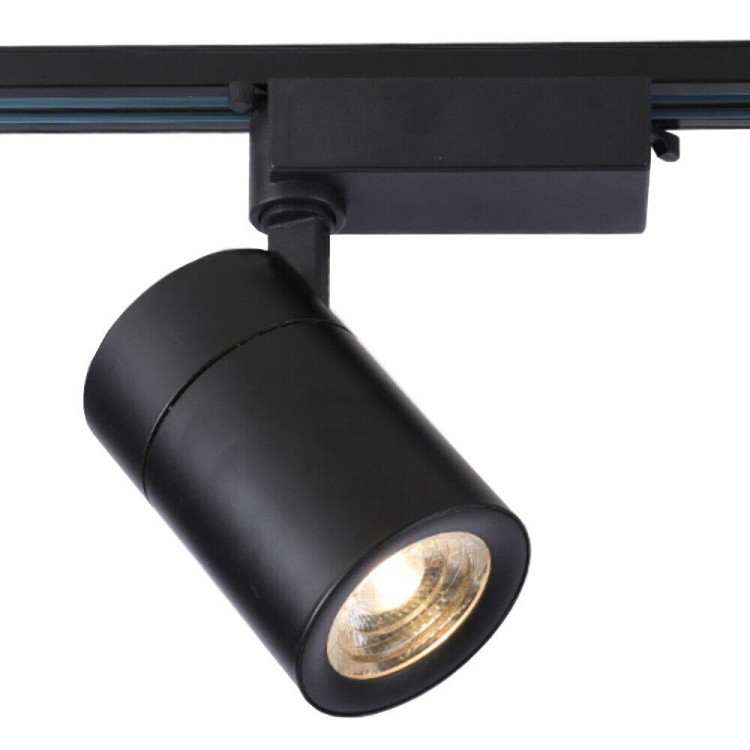
4. Dimming Capabilities
The ability to adjust the brightness of your exhibition track lights is important to create the desired atmosphere in your space. The lighting demand of exhibition spaces is not fixed all day long. The natural light intensity in the exhibition hall changes with time, weather and season, and different exhibition themes and exhibition activities also require different lighting atmospheres. Fixed-brightness lighting is difficult to adapt to diverse display scenarios, resulting in too strong or too dim space light, which affects the viewing experience. It's important to look for exhibition track lights that have dimming capabilities, so you can adjust the light output according to the time of day and the activity happening in the space. On sunny days with sufficient natural light, the brightness of track lights can be appropriately reduced to avoid excessive overall light and light reflection on the surface of exhibits; on cloudy days and nights with dark indoor light, the brightness can be increased to ensure clear display of exhibits. For themed exhibitions that need a quiet and low-key atmosphere, such as cultural relic exhibitions and art salon exhibitions, soft and low-brightness lighting can be adjusted to create a quiet and immersive viewing environment; for creative exhibitions and commercial product exhibitions that need to attract attention, high-brightness lighting can be used to enhance the sense of vitality of the space. Professional dimmable exhibition track lights support stepless dimming and fixed gear dimming, which can accurately meet the atmospheric creation needs of different scenarios and make the exhibition space more flexible and diverse.
5. Compatibility with your Track System
Before making your final choice, you need to ensure the exhibition track lights you're considering are compatible with your existing track system. Many exhibition spaces have reserved track systems during decoration and construction. Blindly purchasing new track lights without checking compatibility will lead to inability to install and use, resulting in unnecessary waste of funds and time. Different track systems have different wiring and rail systems that aren't always interchangeable. At present, the mainstream track systems on the market include H-type, L-type, J-type and three-wire, four-wire track systems. Different types of tracks have differences in bayonet structure, power supply mode, circuit wiring and bearing standards. Track lights of different models cannot be universally installed and used. For example, four-wire track lights with color temperature adjustment function cannot be matched with ordinary two-wire tracks, and special-shaped corner tracks cannot adapt to ordinary straight track lamp heads. Make sure you check the specifications of each track light before purchasing to avoid any compatibility issues. It is recommended to check the track model, wire quantity and interface specifications on site before purchasing, and select the matching track light products according to the original track parameters, so as to ensure smooth installation, normal power supply and stable operation of the lamps, and avoid rework and replacement troubles in the later stage.
6. Positioning and Directionality
Positioning of the exhibition track light can have a significant impact on the ambiance of the space. The biggest advantage of exhibition track lights is their adjustable angle and flexible positioning, but unreasonable positioning and light direction design will instead destroy the display effect and space atmosphere. Many people only pay attention to the lamp parameters but ignore the light directionality and installation position, resulting in unsatisfactory final lighting effects. Consider the directionality of the light as it is positioned, if positioned in a certain way, it may create some artifacts on the artwork. Improper light angles are prone to produce specular reflection on the surface of oil paintings, glass-covered exhibits, ceramic crafts and metal products, forming bright light spots that block the details of the exhibits and affect visitors' viewing. In addition, unreasonable directional lighting will produce redundant shadows around the exhibits, making the exhibits appear distorted in vision and destroying the overall aesthetic of the display. Therefore, when selecting track lights, it is necessary to comprehensively consider the light angle adjustable range and light condensation performance of the lamps, reserve reasonable installation spacing and positioning positions according to the size and placement angle of the exhibits, avoid direct light reflection and shadow interference, and use professional directional lighting to highlight the three-dimensional sense and layered sense of the exhibits.
There are many different factors to consider when selecting exhibition track lights for your exhibition space. Exhibition track light selection is a systematic and professional work that integrates space style, exhibit attributes, lighting performance, safety and practicality, rather than a simple lamp purchase. Every selection factor is closely related to the final display effect and long-term use experience of the exhibition space. By considering the type of exhibition space you have, the overall design of the space, and the energy efficiency and compatibility of the lighting options, you can create the perfect ambiance to showcase your exhibitions, arts, and galleries. At the same time, combining dimming performance, track compatibility and light direction positioning can further optimize the lighting details and make the exhibition display more professional and delicate. The right choice of exhibition track lights can improve your exhibition space, highlighting the exhibits and enabling visitors to enjoy the experience. High-quality matching lighting can inject unique vitality into the exhibition space, maximize the display charm of each exhibit, bring comfortable, immersive and high-grade viewing experience to every visitor, and greatly improve the overall quality and professional level of the exhibition.

How To Cooperate With Us?
Because of our own facilities, we have complete control over the production process and the quality of our goods, which makes us very pleased. We are committed to giving our clients the greatest price since we are manufacturers rather than just brokers. We encourage clients to evaluate our samples first since we are certain that the cost and quality of our items are transparent. Our dedication to excellence and client happiness motivates us to consistently provide superior products.
Our address
3rd Floor, 5th Building, Hebei Industrial Park, Hualian Community, Longhua District, Shenzhen, China





