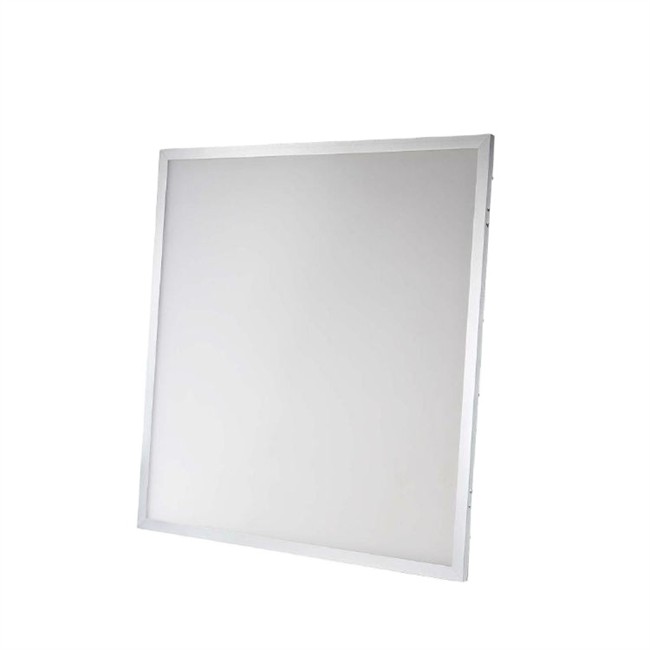
Edge light panel lights are a great way to add illumination to any room of your home or office. These lights give off a soft, even glow that is perfect for task lighting or for creating an ambient atmosphere. They are sleek, stylish, and easy to install, making them one of the most popular modern lighting solutions for residential and commercial spaces alike. Unlike traditional bulky ceiling lights, harsh fluorescent lamps, or uneven strip lights, edge light panel lights feature an ultra-thin body and advanced edge-lit technology, which diffuses light evenly across the entire panel surface without dazzling glares, dark spots, or flickering issues. This unique lighting effect not only protects human eyesight effectively but also elevates the overall aesthetic of any interior space. Whether you want to brighten up a dim home office for daily work, create a warm cozy vibe in the bedroom and living room, or upgrade the professional lighting environment in offices, studios, and conference rooms, edge light panel lights can perfectly meet your diverse lighting needs. In this article, we will provide step-by-step instructions on how to install edge light panel lights in your space, with detailed operational tips, key reminders, and practical suggestions to help even novice DIYers complete the installation smoothly and safely.
1. Gather all necessary materials and tools
Before you begin the installation process, make sure you have all the necessary materials and tools. Preparing all items in advance can avoid unnecessary interruptions during installation, save your time and energy, and ensure the entire construction process is efficient and orderly. You will need the edge light panel lights, appropriate mounting hardware (typically screws and brackets), a drill, a screwdriver, and a measuring tape. To further optimize the installation effect and guarantee construction safety, we also recommend preparing several auxiliary tools and protective supplies that are often overlooked in basic installation guides. These essential extras include a level tool to ensure horizontal and vertical installation accuracy, wire nuts of matching specifications, electrical tape for wiring insulation protection, a voltage tester to detect power status, a pair of insulating gloves for electric operation safety, and a pencil or marker to mark measurement positions on walls or ceilings. In addition, you need to check the completeness and quality of the edge light panel light set first. Inspect the light panel surface for scratches, cracks, or light leakage defects, test whether the power supply driver works normally, and confirm that all mounting screws, fixed brackets, and connecting accessories are complete and undamaged. If any parts are missing or damaged, replace them with matching accessories before starting installation to prevent installation failure or potential safety hazards.
2. Choose a location
Decide on the location for your edge light panel lights. You can install them on the wall, ceiling, or even recessed into the ceiling, which gives you great flexibility in space layout and lighting design. Each installation position has its unique advantages and applicable scenarios, so you need to combine your actual usage needs and room conditions to make a reasonable choice. Consider the layout of the room and the purpose of the lighting before deciding on the location. If you need stable and bright task lighting for reading, writing, working, or cooking, you can choose to install the panel light on the ceiling directly above the working area to achieve full-range uniform illumination. If you want to create a soft, relaxed ambient atmosphere for rest, entertainment, or leisure, wall-mounted installation at a moderate height or recessed ceiling installation is more suitable, as it can reduce direct light exposure and create a layered lighting effect. Meanwhile, you also need to comprehensively consider the room's space size, height, furniture layout, and natural light conditions. For small rooms with low ceilings, ultra-thin edge light panels installed flush on the ceiling can avoid occupying vertical space and make the room look more spacious and tidy. For large offices, living rooms, or conference rooms, multiple panel lights can be installed in a neat arrangement to realize overall uniform lighting. In addition, avoid installing the light panel in damp environments such as bathroom shower areas or outdoor open spaces unless you have purchased waterproof-rated edge light panel lights, to prevent circuit short circuits and light damage caused by moisture erosion.
3. Measure the wall/ceiling
Use a measuring tape to determine the exact size and location of the light panel. This will help you determine the size of the panel and the placement of the mounting brackets, and it is also the key to ensuring that the installed light panel is flat, neat, and symmetrical in the space. Accurate measurement work directly affects the final installation aesthetic and firmness, so this step must be done carefully and rigorously, and never rely on visual estimation for construction. First, take out the measuring tape to measure the length and width of your edge light panel light, record the accurate size data, and combine the pre-selected installation position to mark the outer contour of the light panel on the wall or ceiling with a pencil. After marking the contour, confirm the fixed position of the mounting brackets according to the panel's reserved mounting holes. Most edge light panels are designed with symmetrical mounting holes on the back, so you need to measure the distance between the holes accurately and mark the corresponding drilling positions on the wall or ceiling one by one. During the measurement process, be sure to use a level tool to calibrate the horizontal and vertical angles of the marking lines to avoid the final installed light panel being tilted, which will affect the appearance and even cause uneven stress and loose installation. For recessed ceiling installation, you also need to measure the ceiling thickness and reserve the embedded groove size to ensure the light panel can be perfectly embedded and fit closely with the ceiling, without protruding or sinking. After all measurements and markings are completed, double-check all data and positions to eliminate errors and lay a solid foundation for subsequent bracket installation.
4. Install the mounting brackets
Start by installing the mounting brackets. These brackets are typically included with the light panel and will be used to attach the panel to the wall or ceiling. The mounting bracket is the core fixed component of the entire light panel, and its installation firmness and accuracy directly determine the stability and safety of the lamp body. Before formal drilling, you need to confirm the wall or ceiling material first. For solid concrete walls and gypsum board ceilings, different drilling methods and drill bits are required to ensure the installation effect. Use a drill to make pilot holes for the screws. The diameter and depth of the pilot holes should match the supporting screws and expansion tubes. Do not drill holes that are too large or too shallow, otherwise the screws cannot be fixed firmly, which will lead to loose brackets and even falling off risks. After drilling the pilot holes, clean up the dust and debris inside the holes to ensure the expansion tubes can be fully embedded and fixed. Then, attach the brackets to the wall or ceiling using the screws provided. During the screwing process, tighten the screws evenly and forcefully to make the brackets fit closely with the wall and ceiling surface without shaking or tilting. Make sure the brackets are level and secure. After installing all brackets, use the level tool again to check the horizontal degree of each bracket to ensure all brackets are on the same horizontal plane, which can prevent the light panel from being stressed unevenly after installation. In addition, reserve enough space for subsequent wiring operations during bracket installation, avoid the brackets blocking the circuit reserved holes, and ensure the follow-up wiring work can be carried out smoothly.
5. Attach the light panel to the brackets
Once the brackets are installed, it's time to attach the light panel to the brackets. This step is relatively simple, but it requires careful operation to avoid scratching the light panel surface or inaccurate clamping position. Most edge light panel lights come with clips that attach to the brackets. These reserved clamping clips are precisely matched with the size and structure of the mounting brackets, which can realize quick and stable installation without additional glue or rivets, and also facilitate subsequent disassembly, maintenance and replacement of the light panel. Simply slide the clips onto the brackets and secure them into place. Before fixing, hold the light panel steadily and align the back clips with the installed brackets slowly and accurately. Do not push hard violently to prevent deforming the clips or scratching the panel's light-transmitting surface. After sliding the clips into the fixed position, gently press the four corners and the middle position of the light panel to ensure that each clip is completely clamped and locked with the bracket. Make sure the light panel is securely attached to the brackets and level. After installation, shake the light panel slightly by hand to check for looseness or shaking. At the same time, observe the fitting degree between the panel and the wall/ceiling surface to ensure no gaps, tilting or sagging phenomena. If the panel is not level or fixed loosely, adjust the clamping position of the clips and the tightness of the brackets in time until the light panel is installed flat and firm.
6. Connect the wiring
The final step is to connect the wiring, which is the most critical safety link in the entire installation process. Before starting any wiring operation, you must cut off the total power supply of the installation circuit completely, and use a voltage meter to detect the circuit to confirm that there is no residual voltage, so as to avoid electric shock accidents and ensure construction safety. First, connect the wires from the light panel to the wires from the power supply using wire nuts. The light panel is generally equipped with positive and negative power lines, which need to be correspondingly connected to the output lines of the matching power supply driver. When connecting, distinguish the line colors strictly (usually black for live wire and white for neutral wire) to avoid wrong connection. After aligning the wire heads neatly, fix them firmly with wire nuts, and wrap the connection joints with electrical tape for secondary insulation protection to prevent wire exposure, short circuit and electric leakage risks. Then, connect the power supply to the wall or ceiling junction box using the appropriate wire connectors. The junction box is the core interface of the household power circuit, and the connection must be standardized and firm. After completing the circuit connection, tidy up the redundant wires, fold them neatly and hide them in the junction box or the gap between the light panel and the ceiling/wall to avoid wire extrusion and damage. Make sure all wiring connections are tight and secure. You can also use a voltage meter to test the wiring and ensure that everything is working properly. After all wiring is completed, turn on the power supply slightly, test the light panel lighting effect, check whether the light is uniform, no flicker, no abnormal noise, and confirm that the circuit operates normally without any hidden dangers. If there is no lighting or abnormal conditions, cut off the power again to check the wiring joints and line connection status, and troubleshoot problems in time.
In conclusion, installing edge light panel lights is a relatively simple process that can be done by anyone with basic DIY skills. The whole installation process does not require professional electrical knowledge and complex construction tools, as long as you follow standardized operating steps and pay attention to safety and detail control, you can easily complete the whole installation work. These stylish and practical edge light panel lights can instantly upgrade the lighting quality and interior style of your space, bringing soft, uniform and eye-protective lighting for home life and office work. Just follow these simple steps and you'll have beautiful and functional lighting in your space in no time! Whether you are upgrading old lighting equipment or carrying out new space decoration, edge light panel lights with simple installation, excellent performance and high appearance are an ideal lighting choice, which can bring both practical value and aesthetic enjoyment to your space.

How To Cooperate With Us?
Because of our own facilities, we have complete control over the production process and the quality of our goods, which makes us very pleased. We are committed to giving our clients the greatest price since we are manufacturers rather than just brokers. We encourage clients to evaluate our samples first since we are certain that the cost and quality of our items are transparent. Our dedication to excellence and client happiness motivates us to consistently provide superior products.
Our address
3rd Floor, 5th Building, Hebei Industrial Park, Hualian Community, Longhua District, Shenzhen, China