

When it comes to lighting up our homes and workplaces, many of us turn to corn lights or LED corn bulbs due to their energy efficiency and longevity. Corn lights, also known as corn cob lights, are typically used in outdoor fixtures, but can also be used indoors for bright, high-output lighting. However, like any other lighting option, corn lights eventually reach the end of their lifespan, and need to be disposed of properly. In this article, we'll discuss the best ways to dispose of corn lights safely and responsibly.Over the past decade, LED corn lights have emerged as a mainstream lighting solution favored by households, commercial spaces, industrial workshops, and outdoor landscape environments. Named for their unique corn-cob-shaped lamp bead arrangement, these lights feature dense LED chips that deliver uniform, high-brightness illumination with no dark spots or glare. Compared with traditional incandescent bulbs, fluorescent lamps, and energy-saving lamps, LED corn lights boast outstanding advantages: ultra-low power consumption, ultra-long service life of up to 50,000 hours, stable light output, strong shock resistance, and wide voltage adaptability. Whether used for indoor ambient lighting, workshop task lighting, courtyard outdoor lighting, or street auxiliary lighting, they can maintain efficient and stable working performance. Despite their durable design, all LED corn lights will inevitably experience light decay, chip aging, circuit failure, and complete burnout after years of continuous use. At this point, many users simply discard expired corn lights as ordinary household garbage, unaware that improper disposal will bring hidden dangers to the ecological environment and human health. To help every user master standardized, safe, and environmentally friendly disposal methods, we comprehensively sort out scientific disposal channels, operational precautions, and common mistake avoidance strategies for end-of-life corn lights.
Firstly, it's important to understand that corn lights contain small amounts of hazardous materials, such as lead, mercury, and cadmium. These materials are used in the production of electronics, including lighting, and can cause harm to the environment if not disposed of properly. Therefore, it's crucial to avoid throwing these bulbs in the trash or recycling bin, as they can easily break and release toxic substances into the air and soil.Unlike pure glass and plastic ordinary lighting bulbs, LED corn lights are typical electronic and electrical products composed of multiple precision components, including LED chips, circuit boards, solder joints, metal bases, and plastic shells. During the industrial production process, trace amounts of harmful heavy metal elements such as lead, mercury, and cadmium are added to the circuit solder, chip phosphor layer, and electronic accessories to ensure the stability and conductivity of the product. Although the content of these hazardous substances is low in a single bulb, mass random disposal will cause cumulative environmental pollution. If discarded in ordinary domestic garbage, corn lights are easily crushed during garbage collection, transportation, and landfill compression. Once the internal components are broken, heavy metal toxins will leak into the soil, penetrate into groundwater sources, and continuously accumulate in the ecological cycle. In addition, harmful substances will volatilize into the air under high temperature and humid conditions, forming tiny toxic particles that cause air pollution. It is worth emphasizing that ordinary domestic recycling bins cannot process electronic hazardous materials. Mixed recycling will contaminate other recyclable resources such as paper, plastic, and metal, reducing the recycling rate of renewable resources and increasing the difficulty of subsequent garbage classification and treatment.
One option for disposing of corn lights safely is to take them to a recycling facility that accepts electronic waste. Many states and cities offer electronic waste collection programs, which allow residents to drop off old electronics, including light bulbs, at designated locations. These programs work to recycle and repurpose the materials found in electronics, reducing the amount of hazardous waste in landfills.Professional e-waste recycling facilities are the most standardized and reliable disposal channel for end-of-life LED corn lights. These institutions have professional equipment, technical processes, and environmental qualification certificates for dismantling and recycling electronic lighting products. After recycling waste corn lights, professionals will carry out standardized manual and mechanical dismantling to separate recyclable materials such as aluminum lamp bases, plastic shells, copper circuits, and LED chip precious metals, realizing resource regeneration and reuse. Meanwhile, the trace hazardous heavy metal substances separated from the bulbs will be subjected to harmless centralized treatment, completely avoiding the risk of toxin leakage. Most regions have launched regular e-waste fixed-point collection and recycling programs, with fixed recycling stations in communities, urban service centers, and industrial parks all year round. Some cities also carry out regular mobile e-waste recycling activities to facilitate residents' centralized delivery. This professional recycling model fundamentally reduces the amount of hazardous electronic waste entering landfills, alleviates ecological pressure, and conforms to global sustainable development and waste classification environmental protection policies.
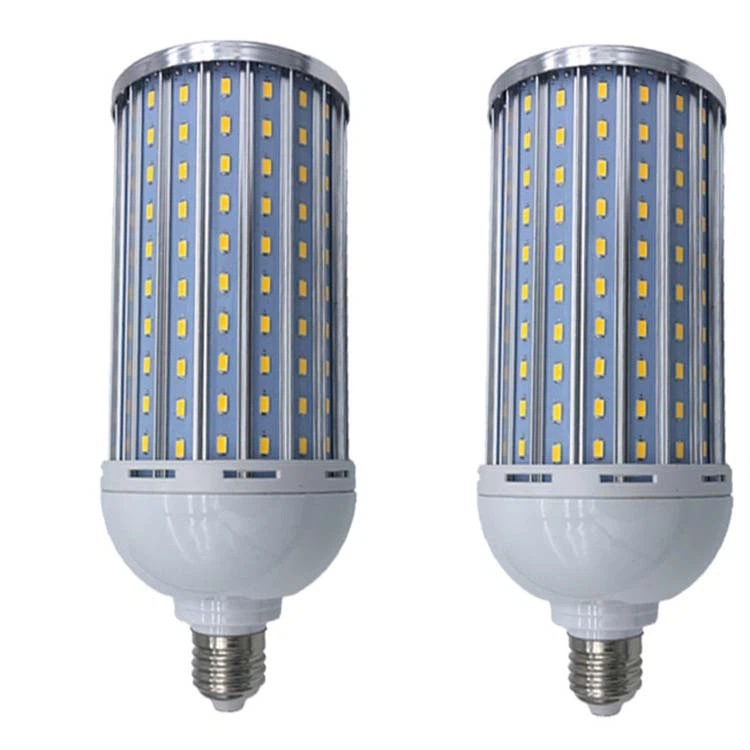
Another option for disposal is to contact your light bulb manufacturer to see if they have a take-back program. Some companies offer programs where consumers can mail their old bulbs back to the manufacturer for recycling. Additionally, many retailers also offer in-store collection programs for used bulbs, making it easier for consumers to dispose of their old bulbs responsibly.In order to fulfill environmental social responsibilities and improve the product full-life-cycle management system, many formal brand manufacturers of LED corn lights have launched official product take-back programs. These manufacturers have professional supporting recycling and dismantling bases, specially responsible for recycling and harmless treatment of end-of-life lighting products produced by themselves. Users can inquire about the take-back rules, mailing addresses, and free recycling policies through brand official websites, customer service hotlines, and official store channels. Qualified brands will provide free mailing packaging or prepaid shipping services, allowing users to complete recycling at home without additional costs. In addition to manufacturer recycling, offline physical retail channels have also become important convenient recycling channels. Large chain home improvement stores, lighting specialty stores, and electrical appliance supermarkets generally set up special waste light bulb recycling bins. These offline collection programs are open to all residents for free, no purchase threshold is required, and users can directly deliver expired corn lights during daily shopping, greatly reducing the threshold for responsible disposal of waste lighting products.
When handling and transporting used corn bulbs, it's important to take precautions to avoid breaking them. Always carry bulbs in a secure, cushioned container, and try to avoid jostling or bumping them during transport. If a bulb does break, be sure to clean up the broken pieces and dispose of them as hazardous waste. Additionally, always wash your hands thoroughly after handling broken bulbs, as the materials inside can be harmful if ingested or absorbed into the skin.The glass shell and internal circuit components of LED corn lights are fragile, and accidental collision, extrusion, and falling during handling and transportation will easily cause rupture and damage, leading to leakage of internal harmful substances. Therefore, before delivery, users should use the original product packaging box, foam cushion, and soft cloth to wrap the bulbs tightly, place them in a sealed hard container, and avoid stacking and squeezing with other hard sundries. During transportation, keep the container stable to prevent violent jostling and shaking. In case of accidental breakage of corn bulbs, standardized emergency cleaning operations must be implemented immediately. First, open doors and windows for ventilation to avoid inhalation of volatile toxic gases. Do not touch broken glass debris and internal circuit residues with bare hands. Wear disposable gloves and use hard cardboard to collect all debris, including tiny glass fragments and powder residues, put all waste into a sealed hazardous waste bag, and mark it as waste electronic lighting products. After the whole cleaning process is completed, users need to wash their hands with hand sanitizer repeatedly to completely remove residual harmful substances on the skin, avoiding skin absorption or accidental ingestion caused by touching food and mouth.
In summary, disposing of corn lights properly and responsibly is a critical step in protecting both the environment and public health. By avoiding throwing them in the trash or recycling bin, and instead opting for electronic waste programs or take-back programs, we can help reduce the amount of hazardous waste in landfills and promote sustainable waste management practices. Remember to always handle old bulbs with care, and to contact your manufacturer or retailer for more information on proper disposal techniques.As a widely used long-life lighting product, LED corn lights bring energy-saving and convenient lighting experience to human production and life, but their end-of-life disposal problems are easily ignored by most users. Improper random disposal will not only cause soil and water pollution and damage the ecological balance, but also bring potential health risks to human bodies through ecological circulation. Safe and standardized disposal is an essential part of the full-life-cycle use of corn lights. Every user should establish environmentally friendly awareness, completely abandon the wrong habit of discarding waste bulbs at will, and choose professional e-waste recycling stations, manufacturer take-back programs, and retail store collection channels for centralized harmless disposal. At the same time, standardize the handling and transportation process of waste bulbs to avoid secondary pollution caused by breakage. Every standardized disposal behavior can reduce environmental hazardous waste accumulation, improve the efficiency of electronic resource recycling, and promote the development of green and low-carbon environmental protection causes. Protecting the ecological environment and public health starts with every small environmentally friendly choice in daily life.

How To Cooperate With Us?
Having its own factory gives our firm complete control over the production process and the quality of our goods, which we take great pride in. We are manufacturers, not only brokers, committed to offering our clients the lowest costs. We invite consumers to evaluate our samples first since we are certain that the cost and quality of our items are evident. Our dedication to excellence and client happiness motivates us to consistently provide superior products.
Our address
3rd Floor, 5th Building, Hebei Industrial Park, Hualian Community, Longhua District, Shenzhen, China





