

Ever pondered the true operation of LED flood lights? We'll examine the physics and technology underlying them in this blog, as well as how different parts like diodes and drivers affect their functionality and efficiency.
Knowing the Fundamentals of LED Flood Lighting
Let's take a moment to define an LED before getting into the specifics of LED flood lights. The acronym LED represents "Light Emitting Diode." When an electric current flows through a semiconductor device, light is released. LEDs are solid-state semiconductors, which makes them more durable and energy-efficient than conventional bulbs, which generate light by heating a filament.
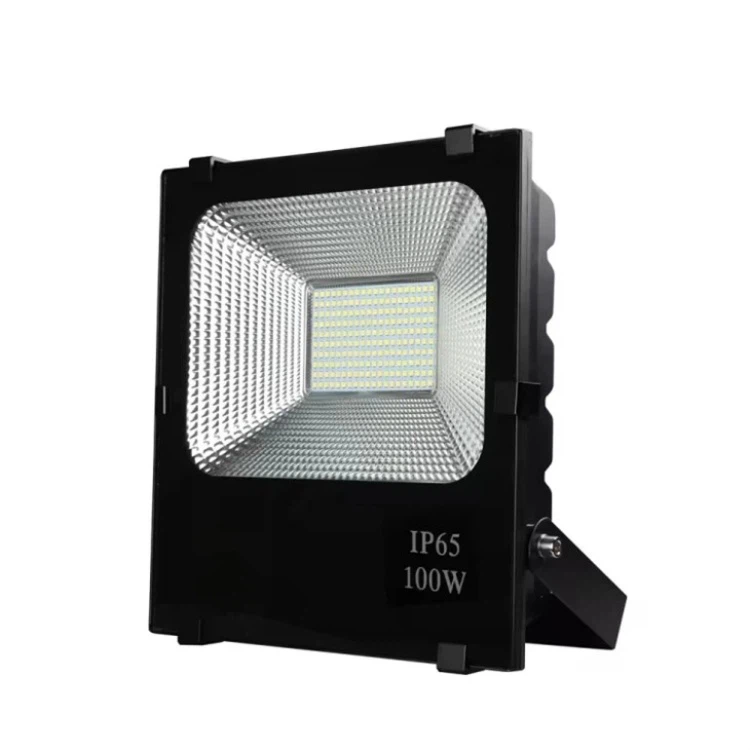
As the name implies, LED flood lights are made to provide a lot of concentrated, bright light in a large area. They are frequently utilised for outdoor lighting tasks like lighting sports fields, parking lots, and building facades. Let's now examine the operation of these lights.
The Essential Elements of LED Flood Lighting
LED Diodes: The diode is the central component of any LED light. Several diodes are stacked on a circuit board to create an LED flood light. Photons are released by the diodes when an electric current passes through them, creating visible light. The materials employed in the diode's manufacture determine the colour of the light that is released.
Driver Circuit: For LED diodes to operate at their best, a steady and regulated electrical current is necessary. The driving circuit is used in this situation. The driver makes sure the LEDs get the right amount of power by controlling the voltage and current that are delivered to them. Additionally, drivers shield the LEDs from voltage swings and spikes, extending the flood light's lifespan.
Heat Sink: Compared to more conventional lighting technologies like incandescent or fluorescent bulbs, LED flood lights produce a lot less heat while operating. LED flood lights have a heat sink to dissipate this heat and avoid overheating. This part, which is often composed of aluminium or another heat-conductive substance, contributes to the longevity and efficiency of the LED.
Optics and Reflectors: LED floodlights frequently use optics, lenses, or reflectors to create the desired lighting pattern. These elements aid in concentrating and guiding light towards the intended location. Flood lights can provide a wide beam for general area lighting or a small beam for spotlighting, depending on the design.
LED Flood Lights' Performance and Efficiency
After talking about the essential elements, let's examine how they affect the effectiveness and functionality of LED flood lights:
Energy Efficiency: The energy efficiency of LED flood lights is well known. They waste less energy as heat and convert a larger proportion of electrical energy into visible light. This efficiency minimises the impact on the environment in addition to lowering electricity expenditures.
Longevity: LED diodes usually last 50,000 hours or longer, which is a very long lifespan. This lifespan, when coupled with effective heat management, guarantees that LED flood lights need to be replaced less frequently, saving money and time.
Instant Illumination: LED flood lights offer instant illumination, in contrast to many conventional lighting systems that need a warm-up period. Fast reaction times are essential for security lights, therefore this is very advantageous.
Customised Lighting: The distribution of light can be precisely controlled through the use of reflectors and optics. This implies that LED flood lights can be customised for particular uses, guaranteeing that the ideal amount of light is focused where it is most wanted.
Durability: LED flood lights are appropriate for outdoor and high-impact settings due to their resilience to shock and vibration. They are also less vulnerable to damage from repeated on-off cycling because of their solid-state architecture.
In summary, the effective transformation of electrical energy into visible light is at the heart of the science underlying LED flood lights. These lighting fixtures provide exceptional energy efficiency, lifespan, and performance through the use of LED diodes, driver circuits, heat sinks, and optics. LED flood lights will probably become even more useful and essential to our everyday lives as technology develops, lighting up the world while using less energy and having less of an adverse effect on the environment.
If you are interested, feel free to contact us https://www.benweilighting.com/contact-us.





