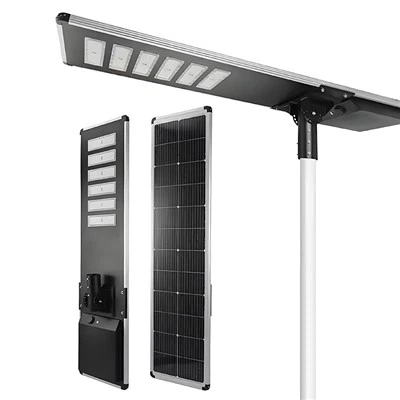
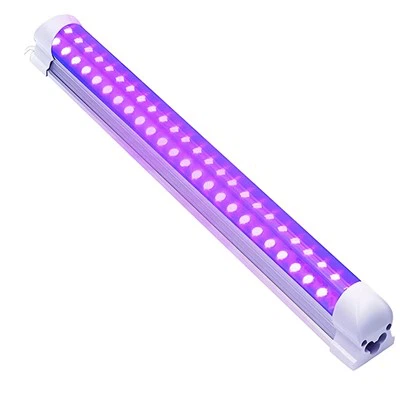
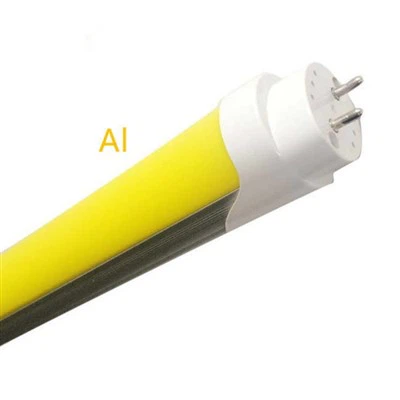
In the wake of the COVID-19 pandemic, disinfection lights have gained significant attention as an effective means of preventing the spread of harmful germs and bacteria. The global health crisis reshaped people's awareness of household hygiene and microbial protection, making regular disinfection a non-negotiable part of daily life. Traditional cleaning methods, including chemical sprays, wipes, and sanitizing solutions, often have limitations such as residual chemical odors, surface corrosion, and incomplete sterilization. Against this backdrop, disinfection lights have emerged as a popular, efficient, and eco-friendly alternative for residential disinfection. But what exactly are disinfection lights, and how do they work to safeguard household health in daily scenarios?
Disinfection lights, also known as UV-C lights, utilize a type of ultraviolet (UV) radiation that is capable of killing a wide range of viruses, bacteria, and other microorganisms. To fully understand their working principle, it is essential to distinguish between different types of ultraviolet rays found in nature. Ultraviolet radiation is categorized into three main types based on wavelength: UV-A, UV-B, and UV-C, each with distinct properties and effects on living organisms. Unlike the UV-A and UV-B rays that are present in sunlight and can cause skin damage, UV-C rays are more potent and have a shorter wavelength that can penetrate the outer layers of harmful microorganisms. UV-A rays, with the longest wavelength among the three, can penetrate human skin deeply, leading to premature skin aging and pigmentation, while UV-B rays mainly damage the skin's superficial layers, causing sunburn and redness. In contrast, UV-C rays feature a wavelength range of 200 to 280 nanometers, which is the most biologically active spectrum of ultraviolet light, endowing it with powerful germicidal properties that target microscopic pathogens invisible to the naked eye.
When a disinfection light is turned on, it emits a powerful UV-C radiation that disrupts the DNA and RNA of any microorganisms that are present. Every virus, bacterium, fungus, and spore relies on intact genetic material to complete metabolic activities and reproduce. The high-energy photons of UV-C light can break the molecular bonds in the DNA and RNA strands of these microorganisms, causing structural distortions, mutations, and irreversible damage to their genetic sequences. This, in turn, prevents them from replicating and spreading in living environments and on household surfaces. Without the ability to replicate, harmful microorganisms cannot colonize, multiply, or cause infections in the human body, effectively cutting off the transmission path of household germs. Though it may take longer depending on the size and intensity of the light, most microorganisms, including viruses, can be effectively killed after several minutes of exposure. High-intensity UV-C lamps can achieve thorough sterilization in 3 to 5 minutes for small-area surfaces, while low-power portable models may require 10 to 15 minutes of continuous exposure to eliminate pathogens completely, ensuring comprehensive disinfection without dead angles on flat and irregular household surfaces.
There are several types of disinfection lights available on the market, such as handheld wands, portable lamps, and large room fixtures, catering to diverse household disinfection needs and usage scenarios. Handheld UV-C wands are lightweight and flexible, ideal for targeted disinfection of small items like mobile phones, keyboards, tableware, toys, and doorknobs, which are high-touch germ carriers in daily life. Portable desktop and floor-standing lamps are designed for small to medium-sized spaces, including bedrooms, study rooms, and bathrooms, supporting mobile placement and fixed-point disinfection at any time. Large room fixtures are high-power, fixed-installation devices suitable for spacious areas such as living rooms, balconies, and even entire apartment units, providing full-space continuous disinfection for family living environments. However, it should be noted that not all UV-C lights are created equal in terms of performance and application scope. Some lights are designed for specific purposes, such as air purification or water sterilization, and may not be as effective in disinfecting surfaces. UV-C devices integrated into air purifiers focus on eliminating airborne floating bacteria and viruses but lack sufficient radiation intensity to kill pathogens attached to solid surfaces like tables, floors, and furniture. Similarly, water sterilization UV-C lights are optimized for liquid medium disinfection and cannot deliver reliable germicidal effects on dry household surfaces, making it crucial for users to select the right type of disinfection light according to their actual usage needs.
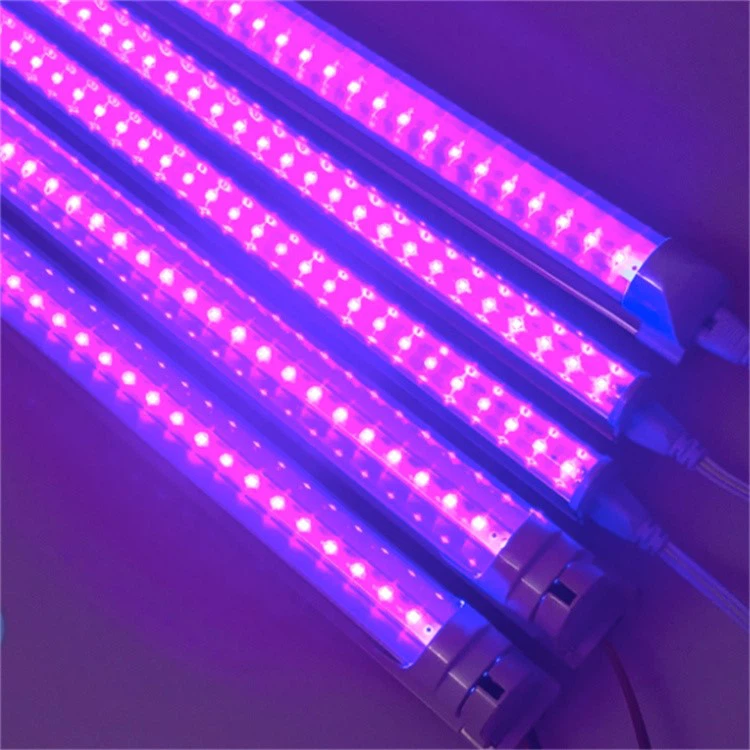
In addition to their high sterilization effectiveness against various harmful microorganisms, a major advantage of disinfection lights is that they do not require any additional chemicals or cleaning agents to be effective. Traditional household disinfection often relies on alcohol, bleach, and composite sanitizing agents, which not only require careful dilution and manual wiping but also leave chemical residues on surfaces. Long-term exposure to these chemical residues may cause discomfort for children, the elderly, and people with sensitive skin or respiratory allergies. Some harsh chemical disinfectants can also corrode wooden furniture, metal hardware, and plastic household items, shortening the service life of daily necessities. UV-C disinfection lights operate purely through physical sterilization technology, requiring only electric power to generate germicidal radiation without producing any chemical residues, harmful fumes, or environmental pollutants. This makes them a convenient and cost-effective solution for keeping your home healthy and free of harmful microorganisms in the long run. Once purchased, the lights can be reused thousands of times with low daily power consumption, eliminating the recurring cost of buying disposable disinfectants and cleaning supplies, and bringing long-term economic and environmental benefits to household hygiene management.
However, it should also be noted that disinfection lights should be used with full caution due to the particularity of UV-C radiation. Unlike harmless visible light, UV-C rays can be harmful to humans if exposed for prolonged periods, causing skin damage and even eye damage if exposed directly. Short-term direct skin exposure may cause redness, itching, and dry peeling, while long-term repeated exposure may damage skin cell tissues and affect skin health. Direct eye contact with UV-C radiation is even more dangerous, as it can irritate the conjunctiva and cornea, causing photophobia, tearing, eye soreness, and temporary visual fatigue, and severe prolonged exposure may lead to irreversible eye tissue damage. Therefore, it is essential to use protective gear, such as professional UV-proof glasses and insulating gloves, and to follow proper safety protocols when using disinfection lights. Standard safety operating procedures include evacuating people and pets from the disinfection area before turning on the light, avoiding visual contact with the light source during operation, and waiting for 5 to 10 minutes after turning off the light to enter the space, ensuring residual UV radiation completely dissipates. For families with infants, pregnant women, and pets, more stringent usage rules should be followed to eliminate any potential safety risks.
In conclusion, disinfection lights are a powerful and effective way to keep your home healthy and free of harmful microorganisms in modern daily life. By utilizing the pure physical germicidal power of UV-C radiation, disinfection lights can kill a wide range of viruses and bacteria lurking on household surfaces, in the air, and on daily necessities, without the need for additional chemicals or cleaning agents. Their diverse product types, convenient operation, low long-term cost, and zero-residue sterilization effect make them an indispensable hygiene protection tool for modern families, effectively reducing the risk of cross-infection of household germs. However, it is crucial to use disinfection lights with caution and to follow proper safety protocols to avoid any harm to yourselves and your loved ones. When rationally selected and standardized in use, disinfection lights can continuously create a clean, safe, and sterile living environment for families, guarding the physical health of every family member in daily life.

How To Cooperate With Us?
Because we have our own facilities, we are pleased to have complete control over the production process and the quality of our goods. We are committed to giving our clients the finest prices since we are manufacturers rather than just brokers. We encourage clients to look at our samples first since we are certain that the cost and quality of our items are transparent. Our dedication to excellence and client happiness motivates us to consistently provide superior products.
Our address
3rd Floor, 5th Building, Hebei Industrial Park, Hualian Community, Longhua District, Shenzhen, China