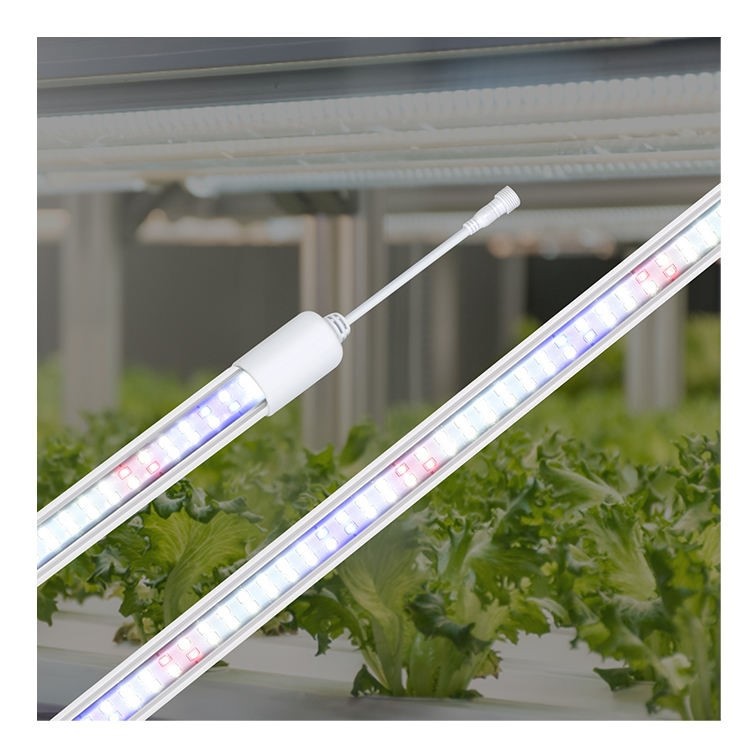
LED lights have become increasingly popular among greenhouse gardeners as they offer a more energy-efficient and cost-effective way of providing light for plants. When using LED lights, it is essential to ensure that they are placed at the appropriate distance from the plants to avoid any adverse effects.
The perfect distance that LED lights should be placed from plants depends on the type of plant and the wattage of the LED lights. However, as a general rule of thumb, LED lights should be placed between 12 to 24 inches from the plants.
When LED lights are placed too close to plants, they can produce an intense level of light, which may damage plant cells and result in leaf burn. This can occur due to the excessive heat generated by the lights, causing the plants to dry out and die.
On the other hand, when LED lights are too far from the plants, they may not provide sufficient light to promote healthy growth. It is essential to ensure that the light spectrum emitted by the LED lights is reaching the plants and providing the energy required for photosynthesis.
Fortunately, modern LED lights come with a range of features that make it easier for gardeners to adjust their placement. For example, some lights come with adjustable hangers, which allows gardeners to alter the distance between the light and plants easily.
Another critical factor to consider is the type of plant being grown. As different plants require different amounts of light, it's essential to research thoroughly or consult a horticulturist to find out the specific needs of each plant. Some plants require more light than others, while some can survive with minimal light.
In conclusion, LED lights can be a highly effective option for providing light to plants. However, it's crucial to ensure that they are placed at the right distance to prevent any harmful effects. By keeping a watchful eye on plant growth and adjusting LED light placement where necessary, gardeners can achieve optimal growth and healthier plants.