

Over the past three decades, high‑intensity floodlighting systems have fundamentally altered the operational and experiential landscape of outdoor sports and large‑scale entertainment events. Floodlights – defined as luminaires designed to produce a broad, uniform beam of high luminous flux over a target area – enable activities that were historically constrained by daylight hours. Stadiums, racetracks, concert fields, and festival grounds now routinely host night‑time events that rival or surpass daytime attendance, generating significant economic, social, and performance‑related benefits.
This paper provides a systematic analysis of how floodlighting technology has revolutionized two interconnected sectors: competitive sports and outdoor entertainment. The analysis is structured around four primary impact axes:
(1) extension of playable and operational hours,
(2) creation of new event formats and spectator experiences,
(3) enhanced economic viability of sports infrastructure,
(4) contributions to arena design and construction standards. Additionally, the paper critically examines the drawbacks of floodlighting, notably high electrical energy consumption and environmental externalities, and discusses emerging technological mitigations (LED floodlights, adaptive controls, and glare reduction). The conclusion projects future trajectories as lighting technology continues to evolve.
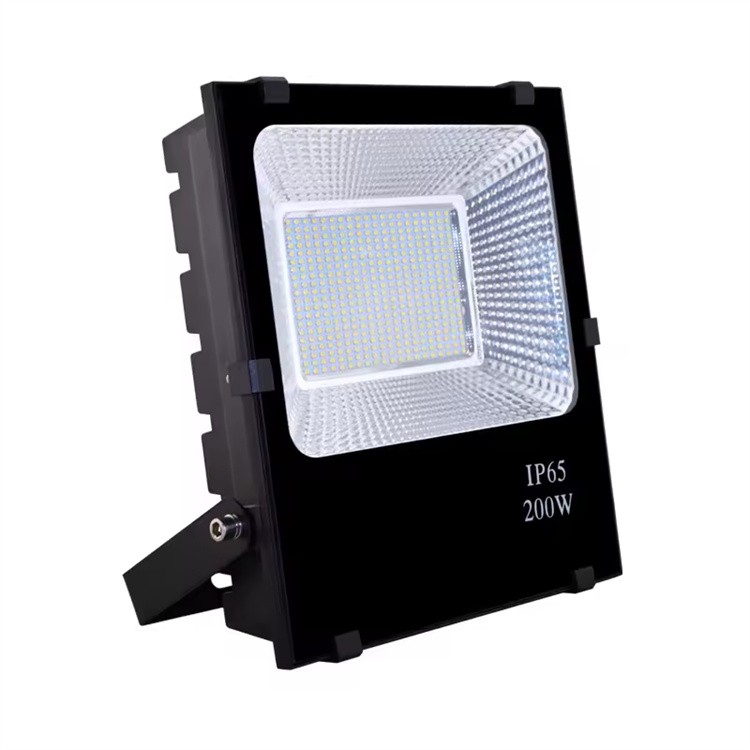
Historical Context and Technical Fundamentals of Floodlighting
Pre‑Floodlight Era: Daylight Dependency
Before the widespread availability of high‑output electric floodlights (pre‑1950s), outdoor sports and entertainment events were strictly diurnal. Baseball, cricket, football (soccer), and tennis matches started and ended according to sunrise and sunset. Evening events were limited to indoor arenas or temporary carbon‑arc searchlights, which produced uneven illumination, harsh shadows, and excessive glare. The 1935 Major League Baseball night game at Crosley Field (Cincinnati) using arc floodlights marked an early milestone, but system costs and performance limited adoption.
Evolution of Floodlight Sources
Four generations of floodlight sources have succeeded each other:
| Generation | Technology | Typical Efficacy (lm/W) | Lifespan (hours) | CRI | Dominant Era |
|---|---|---|---|---|---|
| 1st | Carbon arc | 10–15 | 50–200 | 70–80 | 1930s–1950s |
| 2nd | Tungsten halogen | 18–25 | 2,000 | 95–100 | 1950s–1980s |
| 3rd | Metal halide (MH) / High‑pressure sodium (HPS) | 80–100 | 10,000–20,000 | 65–85 (MH), 25–40 (HPS) | 1980s–2010s |
| 4th | LED (white, high‑power) | 120–180 | 50,000–100,000 | 70–95+ | 2010s–present |
Each generation improved luminous efficacy, lifespan, or color quality. The transition from metal halide to LED floodlights is the most disruptive, offering energy savings of 50–75% and enabling dynamic control.
Key Performance Metrics for Sports Floodlighting
Professional sports governing bodies (FIFA, UEFA, ICC, World Rugby, FIA) specify minimum lighting standards. Critical parameters include:
Horizontal illuminance (Eh) – average lux on the playing surface (e.g., FIFA requires 1,500–2,500 lux for HD broadcast).
Uniformity ratios – Emin/Eavg and Emin/Emax (target >0.7).
Color temperature – typically 4,000 K – 6,000 K for broadcast.
Color rendering index (CRI) – ≥80 for general, ≥90 for premium broadcast.
Glare rating (GR) – maximum GR ≤ 50 for players and spectators.
Flicker percentage – <3% at 100 Hz to avoid strobe effects on slow‑motion replays.
Modern LED floodlight systems meet or exceed these metrics while consuming far less power than legacy MH systems.
Revolutionizing Sports: Extended Playing Hours and Performance Benefits
Extension of Playable Hours
The most direct impact of floodlighting is the ability to schedule matches after sunset. For outdoor sports, this provides:
Evening kick‑offs (e.g., 20:00 local time) that attract larger television audiences across time zones.
Avoidance of midday heat – in tropical or summer climates, night matches reduce heat stress on athletes (lower core temperature and heart rate), improving performance and reducing injury risk.
Flexible training schedules – amateur and professional clubs can conduct evening training sessions, maximizing facility utilization.
Quantitatively, a stadium equipped with adequate floodlights can increase its annual event hours from approximately 1,200 (daylight‑only) to over 4,000 (including evenings), representing a 230% capacity gain.
Improvement of Playing Performance Under Floodlights
Contrary to early concerns that artificial light might disadvantage players, studies in sports science have shown that well‑designed floodlighting (uniform, glare‑controlled, with CCT above 4,000 K) improves depth perception and reaction times compared to natural twilight conditions. Specific findings include:
Cricket – batsmen report better sight of seam movement under high‑lux LED floodlights (2,000 lux horizontal, 1,500 lux vertical) than during dusk.
Football (soccer) – passing accuracy and shot velocity are statistically indistinguishable between daytime and high‑quality floodlit conditions.
Tennis – night matches under LED floodlights reduce the visibility of ball shadows on court surfaces, aiding line judges.
Spectator Experience and Atmosphere
Floodlights have created a distinct "night‑match atmosphere" that is now a commercial asset. Key elements include:
Dramatic contrast – bright pitch against dark sky or black grandstand roof directs attention to the action.
Choreographed lighting shows – pre‑match and goal‑scoring sequences using color‑changing LED floodlights (e.g., Allianz Arena, Munich; SoFi Stadium, Los Angeles).
Fan comfort – evening temperatures are lower, improving spectator endurance for events lasting 3+ hours.
Broadcasters also benefit: night matches under floodlights produce consistent color temperature and illuminance, eliminating the variable cloud cover and shadow movements that plague daytime broadcasts.
New Event Formats and Entertainment Opportunities
Floodlit Leagues and Tournaments
Several major sports competitions have become synonymous with night‑time floodlit matches:
UEFA Champions League – all knockout stage matches are played under floodlights (20:00 CET kick‑offs), creating a branded "European night" aesthetic.
English Premier League – Monday Night Football and midweek fixtures are exclusively floodlit, attracting peak viewership.
FIFA World Cup – since 1994, many matches are scheduled in the evening to accommodate global broadcast windows and reduce heat stress (e.g., Qatar 2022 with all stadiums using LED floodlights).
Cricket's Day‑Night Tests – introduced in 2015 (Australia vs New Zealand), using pink cricket balls and high‑lux LED floodlights to enable Test matches that start in afternoon and finish under lights.
Night Races in Motorsports
Floodlighting has enabled the transformation of motorsports. The Formula One Singapore Grand Prix (2008) was the first night race in F1 history, using over 1,600 floodlight projectors mounted on 240 steel pylons around the 5.065 km Marina Bay circuit. Subsequent night races include Abu Dhabi, Bahrain (some editions), and Qatar. Advantages include:
Primetime broadcast in European markets (race start at 20:00 local = 14:00 CET).
Cooler track temperatures improving tire performance and engine air density.
Spectacular visual context – city skyline reflected in wet tracks under floodlights.
Outdoor Concerts and Music Festivals
Large‑scale festivals (Coachella, Glastonbury, Tomorrowland) rely on floodlight systems to transform daytime fields into nocturnal environments. Beyond general illumination, floodlights provide:
Stage backlighting – silhouetting performers with high‑intensity beams (e.g., 1,000 W equivalent LED follow spots).
Crowd scanning – moving floodlights that sweep over audiences, creating shared emotional peaks.
Production continuity – without floodlights, outdoor shows would end at sunset; with them, main acts can start at 21:00 or later, allowing longer setlists and higher ticket yields.
Economic and Infrastructure Impacts
Increased Venue Utilization and Revenue
A stadium or sports facility that is operable only during daylight hours is an underutilized capital asset. Floodlighting extends the usable day by 4–6 hours (depending on latitude and season). This allows:
Multiple bookings – a single pitch can host a youth match at 16:00, a professional match at 20:00, and a post‑match concert rehearsal.
Year‑round evening leagues – amateur and semi‑professional leagues can schedule weeknight fixtures, generating rental income.
Non‑sport events – floodlit fields are rented for corporate team‑building, night‑time charity runs, and outdoor cinema screenings.
Economic modelling for a multi‑purpose municipal stadium (10,000 capacity) shows that LED floodlight installation (capital cost USD 400,000–800,000) can be recouped within 3–5 years through additional event revenue and broadcast fees.
Development of New Arenas with Integrated Floodlighting
Contemporary stadium design no longer treats floodlighting as an afterthought. Instead, floodlighting is integrated into the architectural fabric:
Roof‑mounted systems – floodlights are embedded into stadium canopy edges, reducing light spill and eliminating external pylons (e.g., Tottenham Hotspur Stadium, London).
Hybrid natural‑artificial systems – transparent roof sections supplemented by LED floodlights to maintain uniform illuminance even under cloudy conditions.
Modular mobile floodlight towers – for temporary venues (Olympic Games, World Cup training grounds), towed LED floodlight arrays on telescoping masts allow rapid deployment and removal.
Infrastructure Upgrades for Developing Regions
Floodlighting has also enabled developing countries to host international night events without constructing entirely new stadiums. Retrofitting existing venues with LED floodlights (which require only electrical supply, no external tower foundations) is faster and cheaper than traditional MH pylon systems. For example, several African Cup of Nations stadiums upgraded to LED floodlights between 2017–2021, allowing evening kick‑offs in tropical climates where daytime matches were hazardous for players.
Environmental and Operational Drawbacks
High Electrical Energy Consumption
Despite improvements, floodlighting remains one of the most energy‑intensive uses of outdoor lighting. A typical professional football stadium with metal halide floodlights consumes 200–400 kW during a match (excluding auxiliary systems). Over a 3‑hour event, that equals 600–1,200 kWh – enough electricity to power 20–40 average homes for one day. Even with LED floodlights (which reduce consumption by 50–75%), a large stadium may still draw 100–150 kW.
Annual energy bills for a stadium hosting 50 floodlit events can reach USD 50,000–200,000 depending on local tariffs. Without renewable energy integration, this contributes to fossil fuel consumption and grid strain during evening peak hours.
Light Pollution and Ecological Disruption
Floodlights produce significant light trespass and skyglow, affecting:
Nocturnal wildlife – birds (disrupted migration), bats (reduced foraging efficiency), and insects (attracted to lights, altering predation).
Nearby residents – bedroom windows may receive illuminance exceeding recommended limits (typically 1 lux after 23:00).
Astronomical observation – stadium floodlights can be visible from tens of kilometers, contributing to urban skyglow.
Mitigation strategies include:
Strict aiming and shielding – full cutoff luminaires that emit no light above 90°.
Dimming protocols – reducing illuminance from broadcast levels (2,000 lux) to training levels (500 lux) after 22:00.
Smart scheduling – avoiding unnecessary pre‑event and post‑event full lighting.
Glare and Visual Discomfort
Poorly designed floodlights cause disability glare (reducing contrast visibility) and discomfort glare (causing eye strain). Athletes performing high‑speed actions (e.g., goalkeepers facing a penalty kick) are particularly vulnerable. Regulatory bodies now mandate maximum glare ratings (UGR or GR) and require glare‑free luminaire designs with multi‑lens optics.
Technological Advancements Mitigating Drawbacks
LED Floodlight Adoption
The transition from metal halide to LED floodlights is the single most important advancement. Comparative advantages:
| Parameter | Metal Halide Floodlight | LED Floodlight (2025 typical) |
|---|---|---|
| Efficacy (lm/W) | 80–100 | 150–180 |
| Lifespan (hours) | 10,000–15,000 | 50,000–100,000 |
| Instant on/off | No (5–15 min restrike) | Yes |
| Dimming capability | Poor (limited range, color shift) | Excellent (0–100%, no color shift) |
| Flicker | High (100 Hz, ±30%) | Negligible (<1%) |
| Mercury content | Yes (hazardous waste) | No |
For a stadium operating 1,000 floodlit hours per year, LED floodlights reduce annual energy consumption from 300,000 kWh (MH) to 120,000 kWh, saving approximately USD 30,000 at USD 0.15/kWh. Maintenance savings from extended lifespan add another USD 10,000–15,000 annually.
Adaptive Control and Smart Lighting
Modern floodlighting systems incorporate:
Daylight sensors – automatically reducing output when natural light supplements (e.g., during late afternoon matches starting before sunset).
Occupancy zoning – only illuminating the active playing zone (e.g., football field halves or cricket outfield sectors) during training or low‑attendance events.
Demand response – stadiums agree to dim floodlights by 20–30% during grid peak events in exchange for utility rebates.
Glare‑Reducing Optical Designs
Third‑generation LED floodlights use asymmetric reflectors and micro‑lens arrays to produce a "batwing" intensity distribution – high illuminance on the playing surface but sharp cutoff above the horizontal plane. This reduces spill light by 60–80% compared to first‑generation LED floodlights with simple parabolic reflectors.
Future Trajectories
Integration with Renewable Energy Microgrids
Several European stadiums (e.g., SC Freiburg's Europa-Park Stadion, Amsterdam ArenA) now pair LED floodlights with rooftop solar panels and battery storage. Surplus daytime solar energy is stored to power evening matches, achieving near‑zero operational carbon for lighting.
Dynamic Lighting for Enhanced Fan Experience
Addressable LED floodlights (each luminaire individually controlled) will enable:
Real‑time color change – following team colors during goals or intervals.
Fan‑activated scenes – spectators' mobile app voting changes floodlight patterns.
Augmented reality integration – floodlights synchronized with AR overlays broadcast on screens.
Tighter Environmental Regulations
Anticipated regulations include:
Mandatory dark‑sky certifications for all new stadium floodlighting (IDA Dark Sky Approved).
Maximum allowable light trespass limits (e.g., 0.5 lux beyond stadium perimeter after 23:00).
Full lifecycle carbon disclosure for floodlight systems (EPD required for public tenders).
Manufacturers and venue operators must proactively adopt shielding, dimming, and renewable integration to remain compliant.
Conclusion
High‑intensity floodlighting systems have revolutionized sports and entertainment by enabling night‑time events, creating distinctive experiential atmospheres, and significantly increasing the economic productivity of outdoor venues. The ability to extend playable hours – from daylight‑only to full evening schedules – has transformed broadcast economics, athlete performance conditions, and spectator comfort. Floodlights have enabled new event formats (day‑night Test cricket, night races, floodlit festivals) and have become integral to modern stadium design. However, these benefits come with substantial drawbacks: high energy consumption, light pollution, ecological disruption, and glare. The ongoing transition from metal halide to LED floodlights mitigates many of these issues through higher efficacy, longer lifespan, instant control, and mercury‑free operation. Adaptive smart controls, glare‑reducing optics, and renewable energy integration further reduce environmental impact. As technology continues to advance and regulations tighten, floodlighting will remain an indispensable tool for sports and entertainment – but one that must be deployed with careful attention to sustainability, neighbor impact, and athlete well‑being. Ultimately, the revolution sparked by floodlights is not only one of brighter nights but also of smarter, more responsible illumination.

How To Cooperate With Us?
Our firm prides itself on owning its own factory, guaranteeing complete control over the production process and the quality of our goods. We are not only agents; we are manufacturers committed to offering our clients the most competitive rates available. We invite consumers to evaluate our samples first, as we are assured that the quality and pricing of our items are self-evident. Our dedication to excellence and client satisfaction compels us to consistently perform at our best and provide superior quality products.
Our address
3rd Floor, 5th Building, Hebei Industrial Park, Hualian Community, Longhua District, Shenzhen, China





