

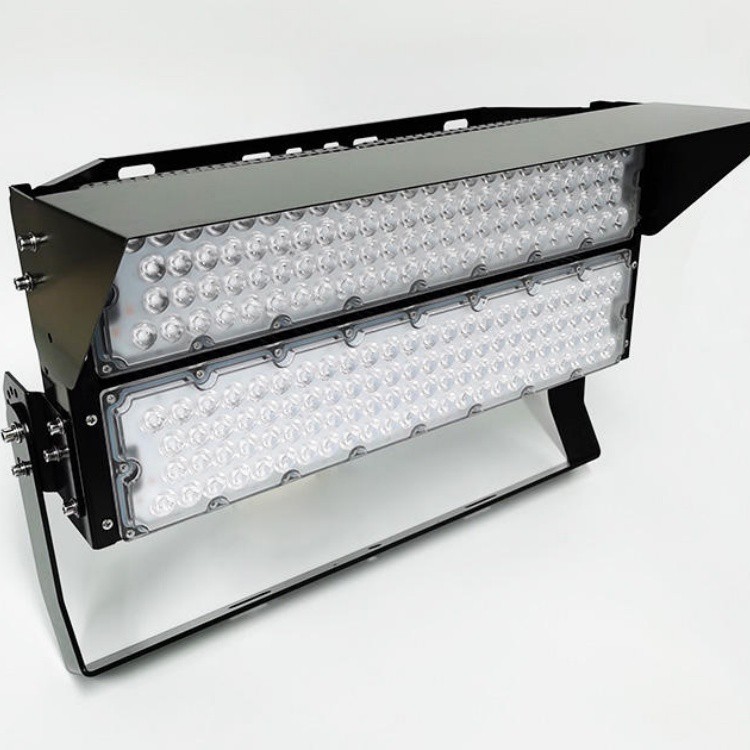
In settings requiring extensive, high-intensity illumination-such as large sports stadiums, outdoor construction sites, port terminals, and urban plazas-LED high-mast lights (also known as tower crane lights or high-power floodlights) serve as critical infrastructure for ensuring smooth nighttime operations, the successful hosting of events, and workplace safety. Consequently, the question of "how long LED stadium lights actually last" has become one of the primary concerns during the product selection process. Many people tend to conflate a fixture's theoretical lifespan with its actual service life, mistakenly assuming that a stated "100,000-hour lifespan" guarantees over a decade of stable, reliable operation. In reality, the actual service life of LED stadium lights is influenced by a multitude of factors; from the core components of the product itself to the installation environment and subsequent maintenance, every single stage plays a role in determining the fixture's ultimate longevity.
Theoretical Lifespan vs. Actual Lifespan: Clarifying Concepts to Avoid Selection Pitfalls
When discussing the lifespan of LED high-mast lights for stadiums, it is essential to first clarify two core concepts: theoretical lifespan and actual service life. These two concepts differ significantly; confusing them can easily lead to errors in product selection, ultimately compromising the user experience during subsequent operation.
Theoretical Lifespan (Industry Standard: L70 Lifespan)
The universal industry standard for measuring the lifespan of LED luminaires is the "L70 lifespan." This refers to the cumulative operating time-under normal usage conditions-at which the luminaire's light output has degraded to 70% of its initial brightness. This point is also the industry-recognized "end of life" for LED luminaires (at this stage, the fixture remains functional, but its brightness is no longer sufficient to meet the high-intensity lighting requirements of environments such as stadiums or construction sites). For stadium LED high-mast lights, high-quality products typically utilize LED chips from top-tier brands (such as Philips or Osram); the theoretical L70 lifespan for such chips generally ranges from 50,000 to 100,000 hours. A simple calculation illustrates this: assuming 10 hours of daily use, a 50,000-hour lifespan translates to approximately 13.7 years of service, while 100,000 hours equates to about 27.4 years. If usage is limited to 8 hours per day, the theoretical lifespan extends to between 17 and 34 years. It is crucial to note, however, that this theoretical lifespan is derived from tests conducted in an ideal laboratory environment (characterized by constant temperature, constant humidity, dust-free conditions, and stable voltage); such ideal conditions are rarely-if ever-replicated in actual real-world usage scenarios.
Actual Service Life
Actual service life refers to the cumulative operating time during which a luminaire functions stably and continues to meet lighting requirements (specifically, maintaining a brightness level of no less than 70% of its initial output) within its actual operating environment. Typically, this actual service life falls short of the theoretical lifespan. Based on real-world industry case studies and market research data, the actual reliable service life of most high-quality LED stadium lights ranges from 5 to 10 years. In contrast, products utilizing inferior LED chips, inadequate heat dissipation systems, or low ingress protection (IP) ratings may have an actual service life of merely 3 years-or even less-often exhibiting significant light degradation and frequent malfunctions after just 1 or 2 years of operation. For instance, a batch of substandard LED tower crane lights purchased for a specific construction site suffered from poor heat dissipation; after just two years of use, their brightness had degraded by over 40%, rendering them incapable of meeting the illumination requirements for nighttime operations. Consequently, they had to be replaced en masse, resulting in a substantial increase in maintenance costs.
Core Influencing Factors: Four Key Dimensions Determining Luminaire Lifespan
The actual service life of LED stadium lights is not determined by a single factor, but rather results from the combined interplay of various elements, including the product's core components, its installation environment, and its usage patterns. Among these, the heat dissipation system, power driver, light source quality, and protection rating constitute the four core influencing factors that directly determine a luminaire's durability and stability.
Heat Dissipation System: The "Lifeline" of LED Luminaires
The light-emitting principle of LED sources dictates that they generate a significant amount of heat during operation. Furthermore, LED chips are extremely sensitive to temperature-a widely accepted industry rule states that for every 10°C increase in the LED chip's operating temperature, its service life is reduced by approximately 30%. For LED high-mast stadium lights-which typically operate within a power range of 100W to 1000W-high-power operation generates even greater heat. If this heat is not dissipated promptly, it can accelerate chip aging and light decay, or even burn out internal components, thereby directly shortening the luminaire's lifespan. High-quality LED stadium lights typically feature an all-aluminum finned housing design; characterized by high fin density and a large heat dissipation surface area, some high-end models also incorporate thermal silicone gel to further enhance thermal conductivity. This design allows for the rapid dissipation of heat generated by the LED beads, ensuring that the chip's operating temperature remains stable within a safe range (typically -30°C to 50°C). In contrast, substandard products often utilize plastic housings or simplistic aluminum casings with limited surface area and poor thermal conductivity; prolonged use of such products leads to overheating of the luminaire body, drastically shortening its service life.
Power Driver: The "Heart" of the Luminaire-The Core of Stability
The power driver is one of the core components of an LED stadium light; it is responsible for converting the standard 220V AC mains electricity into the DC power required by the LED chips. Consequently, its stability directly impacts both the lifespan and operational performance of the luminaire. Inferior LED drivers lack essential protection features-such as over-voltage, over-current, short-circuit, and over-temperature safeguards. Consequently, voltage fluctuations can easily lead to component aging or burnout, resulting in frequent light outages and system failures. In contrast, high-quality drivers employ a constant-current design that ensures a stable current output, thereby preventing current fluctuations from damaging the LED chips. Furthermore, these superior drivers feature comprehensive protection mechanisms and are capable of operating across a wide voltage range (AC 85–265V), effectively mitigating the issues associated with unstable outdoor power supplies. With a service life exceeding 50,000 hours-a lifespan that matches that of the LED chips themselves-these drivers ensure the overall stable and reliable operation of the lighting fixture. Additionally, the water and dust resistance of the driver is paramount; if a driver intended for outdoor use lacks adequate sealing, the ingress of rainwater or dust can trigger short circuits, leading to immediate and irreparable damage to the lighting fixture.
Light Source Quality: The Key Determinant of Luminous Decay Rate
The LED chip serves as the core light-emitting component of any fixture; its inherent quality directly dictates both the rate of luminous decay and the overall service life of the unit. High-quality LED stadium lights typically utilize chips from leading international brands or high-specification models. These premium chips boast high purity, exceptional luminous efficiency, and robust stability, resulting in a remarkably slow rate of luminous decay-under normal operating conditions, light output diminishes by no more than 10% after three years of use, and by no more than 30% after five years, thereby ensuring the long-term maintenance of consistent illumination brightness. Conversely, inferior products employ inexpensive chips characterized by low purity and crude manufacturing processes. These chips suffer from an extremely rapid rate of luminous decay; light output may plummet by over 30% within just one year of use, and brightness levels can drop drastically within two to three years, rendering the fixtures incapable of meeting the rigorous lighting requirements of venues such as sports stadiums and construction sites. Furthermore, the chip packaging process plays a critical role in determining lifespan; high-quality packaging techniques effectively encapsulate and protect the chip, preventing the ingress of moisture and dust, whereas inferior packaging is prone to defects-such as adhesive failure or light leakage-that accelerate the aging and degradation of the LED chip.
Protection Rating and Installation Environment: The "Protective Shield" for Outdoor Applications
LED high-mast lighting systems for stadiums are predominantly installed in outdoor settings, where they are subjected to prolonged exposure to a complex array of environmental stressors-including rain, dust, extreme temperatures (both high and low), and high humidity. Consequently, the fixture's Protection Rating (IP Rating) serves as the direct determinant of its resilience and ability to withstand these adverse environmental conditions. Within the industry, outdoor high-power LED luminaires are required to meet a protection rating of IP65 or higher; specifically, IP65 signifies complete dust-proofing and protection against ingress from water jets. However, for harsh environments such as sports stadiums and construction sites, it is recommended to select products with a protection rating of IP66 or higher. These units offer complete protection against dust ingress and can withstand powerful water jets, thereby effectively resisting the corrosive effects of rain, sand, dust, and humidity, and preventing the premature aging of internal components and short circuits. Furthermore, environmental factors-such as the corrosiveness of the installation site and the presence of vibrations-can also impact a luminaire's lifespan. For instance, fixtures located at port terminals or near chemical plants are susceptible to corrosion from salt spray and corrosive gases; if the luminaire's surface has not undergone anti-corrosion treatment, this exposure will accelerate the aging of the housing and damage internal components. Similarly, tower crane lighting at construction sites, if not securely mounted, can be subjected to vibrations that cause internal wiring to loosen and components to detach, thereby shortening the product's service life.
Installation and Usage Practices: Details That Impact Lifespan
Beyond the inherent characteristics of the product itself, the manner in which a luminaire is installed and utilized can also indirectly influence its lifespan. During installation, if the fixture's angle is improperly adjusted or if it is not securely fastened, prolonged vibration can lead to loose internal wiring and the detachment of LED chips. Additionally, if the installation location is excessively enclosed, it can impede heat dissipation, causing the luminaire body to overheat. During operation, frequent switching of the luminaire accelerates the aging of both the LED chips and the power drivers; the act of switching an LED fixture generates a momentary electrical surge, and repeated switching within short intervals can inflict damage upon the internal components. Moreover, prolonged operation under overload conditions-such as utilizing the fixture at a power level exceeding its rated capacity-will accelerate lumen depreciation and component aging, thereby shortening the overall service life.
4 Practical Tips to Significantly Extend the Lifespan of Lighting Fixtures
For installed LED stadium lights currently in operation, adopting scientific maintenance practices and proper usage methods can effectively extend their actual service life and reduce long-term maintenance costs. The following four practical tips are simple to implement and serve as a useful reference for contractors and facility operators:
Regular Cleaning and Maintenance to Ensure Efficient Heat Dissipation
For outdoor LED high-mast lights, dust, grease, and debris tend to accumulate on the surface and within the heat dissipation vents. Such accumulations can clog the vents, impairing heat dissipation efficiency, causing the fixture body to overheat, and accelerating component aging. It is recommended to clean the fixtures quarterly: use a dry cloth to wipe away dust and grease from the fixture's surface, and clear any debris from the heat dissipation vents to ensure they remain unobstructed. If the fixtures are installed in environments prone to heavy dust or grease (such as construction sites or ports), the cleaning frequency should be increased to once a month. Additionally, regularly inspect the fixture's sealing components (such as sealing rings); if signs of aging or damage are detected, replace them immediately to prevent the ingress of rainwater and dust.
Select High-Quality Drivers and Power Supplies to Mitigate Voltage Fluctuation Impacts
If a fixture's power driver fails, it is recommended to replace it with a high-quality constant-current driver. Prioritize products equipped with over-voltage, over-current, short-circuit, and over-temperature protection features to ensure stable current output and prevent voltage fluctuations from damaging the LED chips. Furthermore, installing a voltage stabilizer at the power input terminal can help address issues related to unstable outdoor voltage, thereby providing additional protection for both the power driver and the LED chips, and extending the overall lifespan of the fixture.
Optimize Switching Frequency and Avoid Overload Operation
Minimize the practice of repeatedly switching LED stadium lights on and off within short intervals to reduce the potential damage to internal components caused by current surges during the switching process. If the fixtures do not require continuous 24-hour operation, utilize timers to schedule switching cycles based on actual needs, thereby avoiding unnecessary periods of idle operation. Additionally, strictly adhere to the fixture's rated power specifications and avoid operating it under an overload-for instance, a 1000W fixture should not be paired with a power supply exceeding its rated capacity-to prevent the fixture body from overheating and causing component burnout due to excessive power output.
Proper Installation and Periodic Inspection of Fixture Security
During installation, ensure that the lighting fixtures are securely fastened to prevent internal wiring from loosening or components from detaching due to vibration. When adjusting the angle of the fixtures, avoid applying excessive force to prevent damage to the connection point between the lamp head and the main body. Periodically inspect the mounting brackets and fastening screws of the fixtures; if any looseness or corrosion is detected, tighten or replace them immediately. For fixtures mounted on tower cranes or high masts, inspect the security of the fixtures and the integrity of the wiring connections concurrently with every scheduled maintenance of the tower crane or high mast to promptly identify and resolve potential safety hazards.
Analysis of Industry-Standard Warranty Periods and Coverage Scopes
The warranty period for LED stadium lights serves as a reflection of the manufacturer's confidence in the product's lifespan and quality, and it constitutes a crucial reference point for purchasers during the product selection process. Currently, there are no unified, mandatory industry standards regarding the warranty periods for LED stadium lights; however, high-quality products typically adhere to the following general guidelines, while their warranty coverage scopes are also clearly defined:
Standard Industry Warranty Periods
High-quality LED stadium lights typically carry a warranty period of 3 to 5 years, while certain high-end models-featuring top-tier LED chips, premium drivers, and high ingress protection ratings-may offer warranties of 5 years or longer. Conversely, lower-quality products typically come with a warranty of only 1 to 2 years, or in some cases, no warranty at all. It is important to note that the warranty period generally refers to the duration during which the manufacturer provides free repair or replacement services in the absence of "human-induced damage." Malfunctions resulting from human-induced damage-such as improper installation, malicious vandalism, or failure to use the product in accordance with the provided instructions-are typically excluded from warranty coverage.
Detailed Scope of Warranty Coverage
For most manufacturers, the scope of warranty coverage encompasses the LED chips, the power drivers, and the fixture housing (provided there is no human-induced damage), as detailed below:
- LED Chips: Within the warranty period, should issues arise that are not caused by human intervention-such as accelerated lumen depreciation (e.g., a light output reduction exceeding 30% within three years) or chip burnout-the manufacturer will provide a free replacement of the affected chips or the entire lighting fixture.
- Power Drivers: Within the warranty period, should power supply failures occur-such as short circuits, a complete failure to supply power, or the malfunction of built-in protection mechanisms-the manufacturer will provide a free replacement of the power driver unit.
- Lamp Housing: During the warranty period, should any non-human-induced defects occur-such as corrosion, cracking, or seal failure-the manufacturer will repair or replace the lamp unit free of charge.
It is important to note that consumable parts (such as sealing rings, screws, and connecting cables) are typically excluded from the warranty coverage; the purchaser is responsible for stocking and replacing these items independently. Furthermore, any damage to the luminaire resulting from force majeure events (such as earthquakes, typhoons, or floods) is also not covered under the warranty.
Summarize
The service life of LED stadium lights is the result of the interplay between theoretical parameters and actual operating conditions. Theoretically, the L70 lifespan of high-quality products can range from 50,000 to 100,000 hours; however, their actual period of stable operation typically spans 5 to 10 years-a duration that is even shorter for inferior products. In terms of core influencing factors, the heat dissipation system, power driver, light source quality, and ingress protection (IP) rating are the key determinants of lifespan, while installation methods, usage habits, and ongoing maintenance serve as crucial safeguards for extending it. Actual service life varies across different scenarios due to differences in daily usage duration and the severity of environmental conditions. Lighting fixtures in professional sports stadiums, benefiting from timely maintenance and relatively favorable environments, can achieve a lifespan of 8 to 10 years; conversely, fixtures deployed in harsh environments-such as mines or construction sites-typically have a lifespan of 4 to 7 years.
If you are currently selecting LED high-mast lighting for venues such as stadiums, construction sites, or ports-and wish to learn more about specific lifespan parameters for fixtures of various wattages, seek selection advice, or obtain detailed lifespan test reports and customized lighting solutions-please feel free to contact us at any time!
Our address
No. 5-3 Niujiao Road, Yanchuan Community, Yanluo Subdistrict, Bao'an District, Shenzhen
benwei10@benweilighting.com






