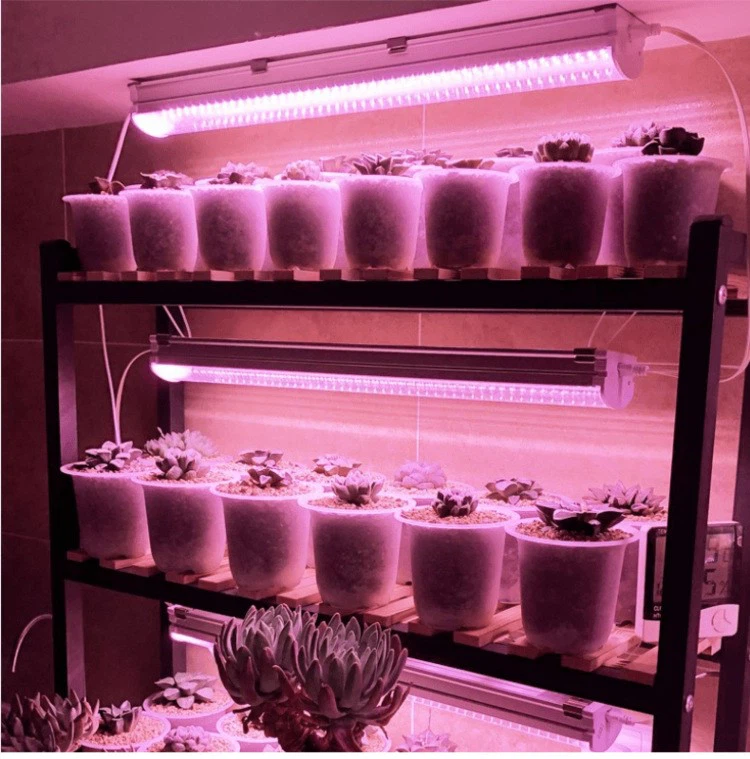
Indoor gardening has become a popular choice for plant enthusiasts, whether for home herb gardens, indoor hydroponics, or commercial cultivation. Unlike outdoor plants that rely on natural sunlight, indoor plants depend entirely on artificial light sources to complete photosynthesis and thrive-and grow lights are the core of this process. However, many growers, both beginners and experienced ones, struggle with a key question: how many hours of grow light do plants actually need? Getting this duration right directly affects plant health, growth speed, and even yield, which is why understanding the proper light exposure time is essential for maximizing the value of your grow lights. Below, we'll break down the key factors and guidelines to help you use grow lights effectively.
Key Factors Determining Grow Light Exposure Time
The duration of grow light exposure for plants is not a one-size-fits-all number. It is mainly determined by three core factors, all of which are closely related to the performance of grow lights and the actual needs of plants:
Plant Species: Different plants have distinct light requirements, usually categorized by their photoperiod needs. Long-day plants (such as tomatoes and cucumbers) need more light to grow and flower, while short-day plants (such as strawberries) require less light and more dark periods to trigger flowering.
Growth Stage: Plants have different growth focuses at different stages, so their light needs vary significantly. The vegetative stage focuses on stem and leaf growth, requiring more light, while the flowering stage focuses on flower and fruit production, needing less light but more stable dark periods.
Grow Light Type: The wavelength and intensity of light emitted by different grow lights affect how plants absorb light. Choosing the right grow light type ensures that plants can efficiently use the light they receive, which in turn influences the optimal exposure time.
Grow Light Duration by Plant Growth Stages
The growth stage is the most critical factor in determining grow light duration. Below is a detailed breakdown of the recommended exposure time for each stage, combined with common plant examples to make it more practical:
Vegetative Stage
During the vegetative stage, plants prioritize growing stems, leaves, and roots to build a strong growth foundation. At this stage, they need sufficient light to support photosynthesis and promote lush foliage. For most common indoor plants, the recommended grow light exposure time is 12-16 hours per day.
For long-day plants that require more light, such as tomatoes, cucumbers, and leafy greens, it is recommended to extend the light time to 14-16 hours per day to encourage vigorous vegetative growth. This duration mimics the long daylight hours of summer, creating an optimal environment for stem and leaf development.
Flowering/Fruiting Stage
When plants enter the flowering or fruiting stage, their growth focus shifts from foliage to flower and fruit production. At this stage, excessive light can inhibit flowering, so the light duration needs to be reduced. For most plants, the recommended grow light exposure time is 8-12 hours per day.
For short-day plants like strawberries, chrysanthemums, and some cannabis strains, the light time should be controlled at 8-10 hours per day, with 12-14 hours of uninterrupted darkness. This long dark period is critical for triggering flowering-even brief light interruptions can delay or prevent flowering altogether.
Grow Light Type and Wavelength Requirements
While light duration is important, the type of grow light and its emitted wavelengths directly affect the efficiency of light absorption by plants, which in turn influences whether the recommended duration can achieve the desired effect. Grow lights that emit the correct wavelengths can reduce unnecessary light waste and ensure plants get the energy they need in the specified time.
Most high-quality grow lights on the market emit a mix of blue and red light-these two wavelengths are the most critical for plant photosynthesis. Blue light (400-500 nm) promotes compact vegetative growth and strengthens stems, while red light (600-700 nm) stimulates flowering and fruiting, improving yield and quality.
In addition, some advanced grow lights add green or far-red light (700-750 nm) to their spectrum. Green light penetrates deeper into the plant canopy, benefiting lower leaves, while far-red light helps trigger flowering and adjust plant stretch, making it suitable for plants with specific growth needs.
Correct Positioning of Grow Lights
Proper light duration alone is not enough-correct positioning of grow lights ensures that plants receive uniform, appropriate-intensity light, avoiding damage and maximizing light utilization. This is a key detail that is often overlooked but directly related to the effectiveness of grow lights.
First, the distance between grow lights and plants must be adjusted according to the light intensity and plant growth stage. Seedlings and young plants are more sensitive to light and should be placed 24-36 inches away from the light to avoid leaf burning; during the vegetative stage, the distance can be reduced to 18-24 inches; and during the flowering stage, it can be further adjusted to 12-18 inches to provide sufficient intensity for flower and fruit development.
Second, as plants grow taller, the grow lights should be moved closer gradually to maintain the optimal distance. Additionally, using reflectors can improve light utilization, ensuring that light is evenly distributed to all parts of the plant, rather than being wasted on the surrounding environment.
Summary of Core Guidelines
To sum up, the key to determining grow light exposure time lies in matching the needs of the plant species and its growth stage, while ensuring the grow light emits the correct wavelengths and is positioned properly. Here's a concise summary of the core guidelines to help you quickly grasp the key points:
Vegetative stage: 12-16 hours of light per day (14-16 hours for long-day plants like tomatoes and cucumbers).
Flowering/fruiting stage: 8-12 hours of light per day (8-10 hours for short-day plants like strawberries).
Grow light spectrum: Prioritize lights with blue and red light; consider adding green or far-red light for specific plant needs.
Positioning: Adjust the distance between lights and plants based on growth stage, and move lights closer as plants grow to avoid burning or stretching.
By following these guidelines, you can ensure that your indoor plants receive the right amount of light, thrive healthily, and maximize the performance of your grow lights.
Ready to Optimize Your Indoor Gardening with the Right Grow Lights?
Whether you're a home grower looking to nurture lush houseplants or a commercial cultivator aiming to improve yield, choosing the right grow lights and mastering their usage is key. If you have questions about matching grow lights to your plant species, determining the optimal light duration for your specific setup, or need recommendations for high-performance grow lights that meet wavelength and intensity requirements, don't hesitate to contact us. Our team of indoor gardening experts is ready to provide you with personalized solutions and professional advice to help you achieve successful indoor cultivation. Reach out to us today to discuss your needs and get a tailored quote!
|
Product name |
LED GROW light |
|
Material |
aluminium+PC |
|
Shape |
TUBE |
| Input Voltage(V) |
AC 100-277V |
|
Lamp color temperature |
white+pink+warm white |
|
Color |
silver |
|
Size |
0.3m/0.6m/0.9m/1.2m |
|
Dimming |
0-10V Dimmable |
| Key words | Led Grow Light Indoor Plants |
| Support Dimmer | No |
| Warranty | 3/5-Year |
|
Wattage |
10W/24W/30W/42W |