

One of the most crucial factors in chicken egg production is lighting. It doesn't take much to explain to your hens how many hours of light they need to produce eggs if you want to maintain them laying throughout the year.
How Lighting Affects Chicken Egg Production
Without getting too scientific on you, several studies have shown that, nearly always, adding light results in a large boost in egg production. Regarding my own backyard flock, the same is true.
Their endocrine system instructs hens when to lay eggs. Changes in these hormones cause the creation of eggs to stop when the days become shorter in the winter. The endocrine system is activated by greater light, increasing the production of eggs.
By providing light to hens in the winter, we may trick their physiology into believing that the days aren't becoming any shorter.
Many people, I've been told, believe that the heat encourages hens to continue laying. That logical theory is sound. However, my experience has not shown that to be the case. In a moment, I'll discuss which light bulbs are the most effective.
Any animal, including chickens, will lay eggs when there is a higher likelihood that its young will survive. Consider this. They lack a calendar that would allow them to determine the day and month. Thus, nature provides them with the necessary cues.
There is less food accessible in the winter. hence making it a poor season to rear chickens. Even if you offer food every day, the innate urge will still exist.
How long must it be light for hens to lay eggs? at least 14 hours.
For the months with 14 or less hours of daylight, the hen's body immediately stops producing eggs.
When to Add Lighting and How to Do It
There is no need to have a light on all the time. Energy and light bulbs would be wasted if it were done.
I prefer to calculate the equations using the day with the least daylight, which has roughly 9 hours of light. Set a timer for the light so it will be on for an additional 5 hours. Just keep going until we eventually reach 14 hours again, at which point you should switch off the bulb.
Instead of having to go outside and change the light every few weeks to make sure you are still receiving eggs, it merely makes the process simpler.
Keep in mind that depending on the bulb you pick, lighting in your coop may potentially pose a risk of fire. One of the primary reasons I do not advocate utilizing a heating lamp bulb is because of this. The greatest option are the little corkscrew bulbs.
When the weather drops to 20 degrees or below and the wind chill is severe, that is the only time I will use one of them in the coop.
Because it is naturally warmer inside the coop during the winter, chickens spend more time inside. However, because they are more curious and like to look about, if your lamp is too low or within reach, they may peck at it and perhaps knock it over.
Other Problems That Slow Chicken Egg Production
Numerous factors might make chickens stop laying or prevent you from receiving eggs even while your ladies are producing.
If the feed is changed or if it just doesn't agree with them, they won't produce as much.
There is a creeper in your coop stealing the eggs for a nocturnal snack or they are laying eggs in a new spot you have not discovered.
a disease of some type.
Molting. To hasten the development of the feathers, you may supplement the meal you give the hens with high-protein cat food.
Another option is an egg thief. Eggs may be stolen by stray animals like possums and skunks. They could be taking your dog as well, if you have one.


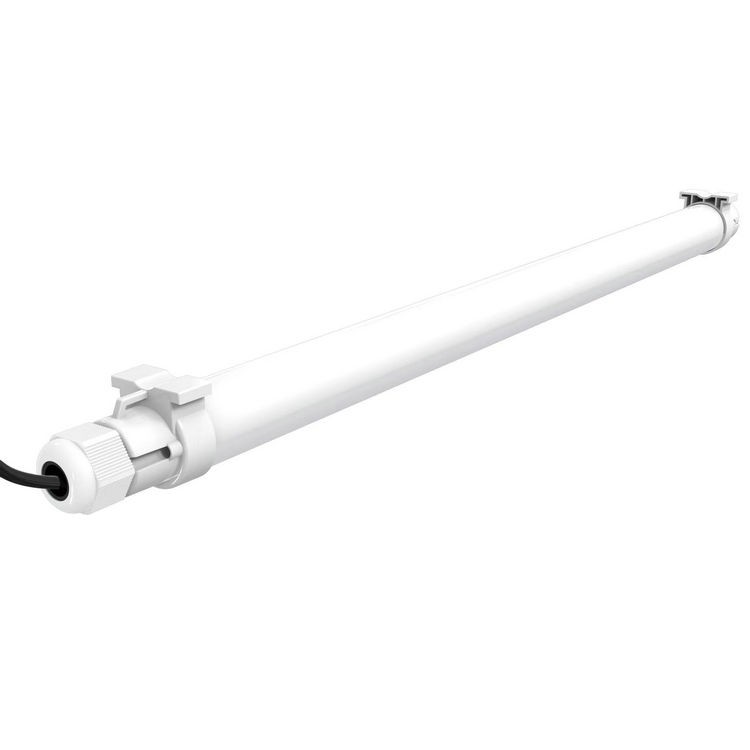
Benwei chicken coop lighting for egg production
|
Power |
Dimension(MM) |
LED Quantity(PCS) |
|
9W |
600*26mm |
Epistar 2835/48PCS |
|
13W |
900*26mm |
Epistar 2835/72PCS |
|
18W |
1200*26mm |
Epistar 2835/96PCS |
|
24W |
1500*26mm |
Epistar 2835/120PCS |
|
36W |
2400*26mm |
Epistar 2835/384PCS |





