

How Should You Plan Your Poultry for Maximum Egg Production?
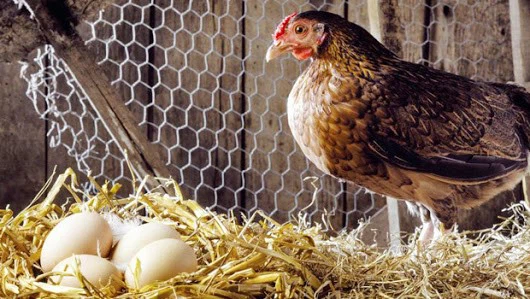
You must follow the steps outlined below if you want to ensure that your chicken will lay the most eggs possible:
Provide fundamental necessities:
Food: You must provide nutritional rice units, protein, carbs, vitamins, and minerals to your flock each day to maintain its body running correctly. To maintain the laying flocks robust and provide a solid egg shell, it is crucial to supplement their daily meal with between 16 and 18 percent protein and 3 percent calcium. Many poultry breeders feed their flocks domestic food leftovers and scratch grains in an effort to save costs. It significantly lowers egg output.
Water: For best egg production, a steady supply of fresh, clean water is required. Water makes up half of both the egg's volume and the body of the hen. The quantity of fresh water you provide will affect how many eggs you can produce. As a result, you must make sure you have a trustworthy water supply for both hot and dry weather.
Tidy coops: It makes no difference whether rearing method you choose. The setting in which you raise your birds is what actually matters. Avoid overcrowding and make an effort to maintain the area as tidy as you can. You may be able to resolve this issue by using our chicken battery cage with an automated manure cleaning system. Also, you should not let any guests to your property, and if you must go there, you should take a shower beforehand. You should refrain from wearing things like sneakers and baseball caps.
Give a nest Boxes: You must convince your birds to lay their eggs where you choose if you want clean, beautiful, and unbroken eggs. Do not let them to lay eggs in a particular area of the coop. You may either purchase easy-to-clean nest boxes from any poultry supply businesses or design your own to your specifications in order to do this task flawlessly. Put a layer of soft litter, such as non-toxic wood shavings, inside the boxes and keep them at least two feet above the ground. But, if you want a better solution, we still advise purchasing a poultry battery cage. For large chicken farms, an automated egg collecting system may be required.
The hungry chickens often consume eggs, and one bird may instruct the other to do the same. Therefore don't allow them to develop this behavior. Knowing the precise moment you must gather the eggs before a hungry hen strikes them is important since the majority of chickens stop producing eggs by 10 am.
Provide a source of artificial light: Light is a useful aspect that influences egg production. The best egg production requires 14 hours of light every day. Due to limited and weak light throughout the winter, hens produce fewer eggs. But, if you put in a source of artificial light in your farm and make sure there is enough light for 14 hours every day. The pace at which eggs are produced may be raised.
Egg cleaning: Regular egg collecting in dry, clean, unprotected coops and nest boxes will keep your bird's eggs clean for a very long time.
You don't need to wash the eggs again if they are determined to be clean since doing so would destroy the covert protective covering. You can do the following if there is just a tiny quantity of dirt:
With the use of fine-grit sandpaper, dry clean the eggs.
You can wash with weights. Nevertheless, if you do it incorrectly, germs might be drawn inside the eggs.
Keep the eggs away from meals with strong flavors.
If you have the correct ingredient, gathering eggs from a tiny layer flock doesn't take much time.





