

Lighting is a recurring and often disregarded expenditure in the competitive world of commercial operations, where every operational cost directly affects profit margins. Commercial locations, including warehouses, industrial facilities, retail establishments, parking lots, and office complexes, depend significantly on constant illumination to guarantee customer happiness, productivity, and safety-but this need often comes at a high expense. In addition to being energy-inefficient, conventional lighting options like incandescent lights, metal halide bulbs, and high-pressure sodium (HPS) lamps also need regular maintenance, which adds hidden expenses to your monthly and yearly budgets. Finding a lighting system that strikes a balance between brightness, dependability, and affordability has long been a top concern for facility managers, company owners, and operations directors. The commercial-grade LED corn bulb is a cutting-edge lighting innovation created especially to solve the problems associated with commercial lighting. In contrast to traditional bulbs, this LED corn bulb may save business lighting costs by up to 85% while providing outstanding illumination at an unprecedentedly low energy usage. This blog will explore the science, parts, and real-world uses of this revolutionary product, outlining how it achieves such significant energy savings, why its core technology performs better than conventional alternatives, and how you can incorporate it into your business space to optimise savings and operational efficiency. By the time it's all over, you'll see why this LED corn bulb is more than simply a lighting upgrade-it's a wise investment that will benefit your company in the long run and pay for itself in a matter of months.

How This LED Corn Bulb Cuts Your Commercial Lighting Bills By 85%
The 85% reduction in commercial lighting bills is not a marketing gimmick-it is a measurable result rooted in the LED corn bulb's superior energy efficiency, reduced maintenance costs, and optimized light output, all of which address the key cost drivers of commercial lighting. To fully grasp how this savings is achieved, it is critical to compare the LED corn bulb's performance to the traditional lighting solutions it replaces, as well as to break down the cost components that contribute to the total savings.
First, energy consumption is the single largest factor in commercial lighting bills, and the LED corn bulb's efficiency is unmatched. Traditional HPS lamps, which are commonly used in large commercial spaces like warehouses and parking lots, typically consume 250-400 watts of power to produce a given level of brightness. In contrast, the commercial-grade LED corn bulb delivers the same or higher lumen output (brightness) with only 30-60 watts of power-a reduction of 75-87% in energy usage alone. For example, a 250W HPS lamp operating 12 hours a day, 365 days a year, consumes approximately 1095 kWh annually (250W × 12h × 365 days ÷ 1000 = 1095 kWh). At an average commercial electricity rate of $0.11 per kWh, this translates to $120.45 per year per bulb. Replacing that 250W HPS lamp with a 40W LED corn bulb (which delivers equivalent or higher brightness) reduces annual energy consumption to 175.2 kWh (40W × 12h × 365 days ÷ 1000 = 175.2 kWh), costing just $19.27 per year-a savings of $101.18 per bulb annually, or 84% on energy costs alone.
Second, maintenance costs-often overlooked in lighting budget calculations-contribute significantly to long-term expenses for commercial spaces. Traditional HPS and metal halide bulbs have an average lifespan of 10,000-20,000 hours, meaning they need to be replaced every 1-2 years in spaces that operate 12+ hours a day. Each replacement incurs labor costs (for hiring electricians or maintenance staff), downtime (as lighting is interrupted during replacement), and the cost of the new bulb itself. In contrast, the LED corn bulb boasts a lifespan of 50,000+ hours-equivalent to 13.7 years of continuous use at 10 hours per day-or 5-10 times longer than traditional bulbs. This eliminates the need for frequent replacements, slashing maintenance costs by 80-90% over the bulb's lifetime. For a warehouse with 100 lighting fixtures, replacing traditional bulbs twice a year (at $50 per bulb plus $20 labor per replacement) costs $14,000 annually. With the LED corn bulb, replacements are needed only once every 10+ years, reducing annual maintenance costs to less than $1,000-a savings of $13,000 per year.
Third, the LED corn bulb's 360° omnidirectional light distribution eliminates light waste, further enhancing savings. Traditional LED bulbs often have a forward-facing design, which results in 30-50% of light being blocked by lampshades or lost to reflection, requiring higher wattage bulbs to compensate for the waste. The LED corn bulb's corn cob-like design, with LED chips arranged around a cylindrical core, emits light evenly in all directions, ensuring that every watt of energy is converted into usable light. This means you can use lower wattage bulbs while maintaining the same or better illumination levels, reducing energy consumption even further. When combined with the bulb's energy efficiency and long lifespan, this light optimization pushes total savings to the 85% mark-making it a transformative solution for commercial spaces looking to cut costs without sacrificing lighting quality.
The Core Technology Behind the LED Corn Bulb's Energy Efficiency
This LED corn bulb's significant energy savings are not coincidental; rather, they are the outcome of three key, unique technologies that cooperate to optimise efficiency, reduce energy waste, and provide reliable performance. By addressing the three main inefficiencies of conventional lighting-energy conversion loss, heat waste, and light direction waste-these systems guarantee that almost every watt of power is transformed into useful light.
The high-efficiency SMD LED chip package-more especially, the 2835 or 5050 SMD (Surface Mount Device) chips, which are regarded as the industry standard for commercial LED lighting-is the first core technology. These sophisticated SMD chips have a conversion efficiency of 90% or more, which means that 90% of the power they use is turned into light and just 10% is wasted as heat, in contrast to conventional LED chips, which have a conversion efficiency of 70–80%. In sharp contrast, only 20–30% of energy is converted into light by HPS lamps; the remaining 70–80% is wasted as heat. With a typical output of 110–130 lumens per watt, the SMD chips are also designed to produce high lumen density (lumens per watt), which is much greater than conventional HPS lamps (50–70 lumens per watt) or incandescent bulbs (10–15 lumens per watt). This directly drives the energy savings at the core of the LED corn bulb's performance, since it can provide the same brightness as a 250W HPS lamp with only 40–50 watts of electricity.
The intelligent constant-current driver, a vital part that controls the flow of power to the LED chips, is the second essential technology. Ballasts, which are inefficient and often waste energy by supplying more power than the bulb requires, are used in conventional lighting systems. On the other hand, the constant-current driver of the LED corn bulb is made to provide the LED chips with a steady, accurate current so they may function at their ideal voltage and current levels. In addition to preventing energy waste, this shields the LED chips from voltage swings that might shorten their lifetime and impair their functionality. With a power factor of ≥0.95, the driver additionally has power factor correction (PFC), which reduces reactive power loss and further lowers energy costs by only drawing the appropriate amount of electricity from the grid. With a conversion efficiency of 95% or greater, the driver is also designed to be energy-efficient, guaranteeing that little energy is wasted while controlling power to the LED chips.
The sophisticated thermal management system, which tackles heat buildup-one of the main issues with LED lighting-is the third fundamental technology. Even while LED chips are far more efficient than conventional bulbs, they still produce some heat, and too much heat may lower efficiency, limit lifetime, and deteriorate light quality. The LED corn bulb has a dual-layer thermal management system with a thermally conductive ceramic substrate and an aluminium heat sink to counteract this. Heat is drawn from the LED chips and into the surrounding air by the aluminium heat sink's finned shape, which offers a wide surface area for heat dissipation. Heat is swiftly transmitted to the heat sink because to the extremely thermally conductive ceramic substrate that houses the LED chips. Even with continuous, long-term operation, this technology maintains the LED chips' 90%+ conversion efficiency by keeping them working at a steady temperature (below 60°C). The LED chips would overheat in the absence of this sophisticated thermal control, which would reduce efficiency (and hence increase energy consumption) and decrease the bulb's lifetime, undercutting its cost-saving advantages. When combined, these three key technologies-intelligent constant-current drivers, superior thermal management, and high-efficiency SMD chips-create a lighting system that is far more efficient than any conventional substitute, allowing for an 85% decrease in lighting costs.
The Main Components of the LED Corn Bulb
The LED corn bulb's exceptional performance and durability are built on a foundation of high-quality, precision-engineered components, each designed to work in harmony to deliver energy efficiency, long lifespan, and reliable illumination. Every component is selected for its durability, efficiency, and compatibility, ensuring that the bulb can withstand the rigorous demands of commercial environments-from extreme temperatures to continuous operation. Below is a detailed breakdown of the bulb's main components and their roles:
1. LED Chips: As the "heart" of the LED corn bulb, the high-efficiency SMD LED chips are the primary light-emitting component. These chips are typically sourced from top manufacturers such as Osram, Philips, or Nichia, ensuring consistent performance and reliability. The chips are arranged in a radial pattern around a cylindrical core, resembling the kernels on a corn cob-hence the name "corn bulb." Depending on the bulb's wattage, it may contain 50-200+ SMD chips, each emitting a small amount of light that combines to produce the bulb's total lumen output. The chips are available in various color temperatures (3000K warm white, 4000K neutral white, 6000K cool white), allowing businesses to choose the ideal lighting for their space-whether it's warm, inviting light for retail stores or bright, clear light for warehouses and manufacturing facilities. The chips also have a Color Rendering Index (CRI) of ≥80, which means they accurately render colors, making them ideal for retail spaces where product appearance is critical, and for workplaces where visual clarity is essential for safety and productivity.
2. Constant-Current Driver: Housed in the base of the bulb, the constant-current driver is the "brain" of the LED corn bulb, responsible for regulating the flow of electricity to the LED chips. Unlike traditional ballasts, which are inefficient and prone to failure, the driver is engineered to deliver a stable current (typically 300-700mA) and voltage (12-24V DC) to the chips, ensuring they operate at their optimal performance level. The driver is also equipped with over-voltage, over-current, and short-circuit protection, preventing damage to the LED chips and extending the bulb's lifespan. Additionally, the driver features a wide input voltage range (AC 100-277V), making the bulb compatible with most commercial electrical systems, including those in older buildings. The driver's high conversion efficiency (≥95%) ensures minimal energy loss, further contributing to the bulb's overall energy savings.
3. Thermal Management System: The thermal management system consists of two key components: an aluminum heat sink and a ceramic substrate. The aluminum heat sink is a cylindrical, finned structure that surrounds the LED chips, providing a large surface area for heat dissipation. Aluminum is chosen for its excellent thermal conductivity, allowing it to quickly draw heat away from the LED chips and dissipate it into the air. The finned design increases the heat sink's surface area, enhancing heat dissipation efficiency-critical for maintaining the LED chips' performance during continuous use. The ceramic substrate, which holds the LED chips, is also highly thermally conductive, ensuring that heat from the chips is quickly transferred to the heat sink. This dual-layer system prevents the LED chips from overheating, maintaining their efficiency and extending their lifespan to 50,000+ hours.
4. Housing and Lens: The bulb's housing, made from high-quality PC (polycarbonate) material, encloses and protects all internal components from dust, moisture, and physical damage. PC is chosen for its durability, heat resistance, and transparency, allowing light to pass through while protecting the LED chips and driver. The housing is also designed to be lightweight and compact, making it compatible with most existing commercial fixtures-including high-bay lights, wall packs, and parking lot fixtures-without the need for modifications. The bulb's lens, which covers the LED chips, is a frosted PC lens that diffuses light evenly, creating a uniform, glare-free illumination. The lens also protects the LED chips from dust and physical damage, while ensuring that light is distributed evenly in all directions (360°), eliminating dark zones and light waste.
5. Base: The bulb's base is available in two standard sizes to accommodate most commercial fixtures: E26 (medium Edison screw) for smaller fixtures and E39 (mogul Edison screw) for larger, high-wattage fixtures such as high-bay lights and street lights. The base is made from high-conductivity brass, ensuring a secure electrical connection and minimal energy loss. The base is also corrosion-resistant, making it suitable for outdoor use and harsh commercial environments. The compatibility with standard bases means that businesses can replace their traditional bulbs with the LED corn bulb without modifying their existing fixtures-reducing installation costs and minimizing downtime.
Correct Usage Scenarios and Methods for Maximum Efficiency
To maximize the energy savings, lifespan, and performance of the LED corn bulb, it is critical to use it in the correct scenarios and follow proper installation and maintenance methods. While the bulb is versatile and compatible with most commercial fixtures, understanding its optimal usage scenarios and best practices will ensure that you get the most value from your investment.
1. Optimal Usage Scenarios: The LED corn bulb is designed specifically for commercial and industrial spaces that require continuous, high-brightness lighting. Its 360° omnidirectional light distribution, high lumen output, and energy efficiency make it ideal for the following scenarios:
1) Warehouses and Manufacturing Facilities: These spaces require bright, uniform lighting to ensure worker safety and productivity. The LED corn bulb's high lumen output (10,000-30,000+ lumens depending on wattage) and 360° light distribution make it perfect for high-bay fixtures, eliminating dark zones and ensuring consistent illumination across large spaces.
2) Parking Lots and Outdoor Areas: The bulb's durability, weather resistance (IP65 rating), and bright illumination make it ideal for parking lot lights, street lights, and post-top fixtures. Its 360° light distribution ensures that parking lots are evenly lit, enhancing safety and security. 3) Retail Stores: The bulb's high CRI (≥80) ensures that products are displayed in their true colors, attracting customers and improving the shopping experience. Its energy efficiency also reduces costs for retail spaces that operate long hours.
4) Office Complexes and Commercial Buildings: The bulb's glare-free illumination and adjustable color temperatures make it suitable for offices, lobbies, and common areas, providing a comfortable working environment while reducing energy bills.
5) Garages and Indoor Parking Structures: The bulb's compact design and 360° light distribution make it ideal for garage fixtures, ensuring that all areas are well-lit while minimizing energy consumption.
2. Proper Installation Methods: Installing the LED corn bulb is simple and straightforward, but following these steps will ensure optimal performance and safety:
1) Turn Off Power: Before installing the bulb, ensure that the power to the fixture is turned off at the circuit breaker. This prevents electrical shock and damage to the bulb or fixture.
2) Check Fixture Compatibility: Ensure that the fixture's base is compatible with the bulb's base (E26 or E39). The bulb is designed to fit standard Edison screw bases, so no modifications are needed for most fixtures.
3) Remove Old Bulb: Unscrew the old bulb from the fixture, taking care not to damage the base or fixture.
4) Install the LED Corn Bulb: Screw the LED corn bulb into the fixture, ensuring a secure connection. Do not over-tighten, as this can damage the base.
5) Turn On Power: Once the bulb is installed, turn the power back on and test the bulb to ensure it is working properly. For high-bay fixtures or hard-to-reach areas, use a ladder or lift to install the bulb, and always follow safety guidelines to prevent falls.
3. Maintenance Best Practices: While the LED corn bulb requires minimal maintenance, following these practices will extend its lifespan and ensure consistent performance:
1) Regular Cleaning: Dust and dirt can accumulate on the bulb's lens and heat sink, reducing light output and heat dissipation. Clean the bulb with a soft, dry cloth every 3-6 months to remove dust and debris. Avoid using harsh chemicals or water, as this can damage the bulb's housing and internal components.
2) Inspect for Damage: Periodically inspect the bulb for signs of damage, such as cracks in the housing, loose connections, or dimming light. If any damage is found, replace the bulb immediately to prevent further issues.
3) Avoid Overloading Fixtures: Do not use the LED corn bulb in fixtures that are not rated for its wattage. Overloading fixtures can cause overheating and damage to the bulb and fixture.
4) Use in Proper Temperature Range: The LED corn bulb is designed to operate in temperatures ranging from -20°C to 60°C (-4°F to 140°F). Avoid using it in extreme temperatures (below -20°C or above 60°C), as this can reduce performance and lifespan.
5) Replace Only When Necessary: The bulb's 50,000+ hour lifespan means it will last for years, but if it begins to dim significantly or fail, replace it with a new LED corn bulb to maintain optimal illumination and energy savings.
By using the LED corn bulb in the correct scenarios and following proper installation and maintenance methods, you can ensure that it delivers the full 85% reduction in lighting bills, while providing reliable, high-quality illumination for years to come. Whether you're looking to upgrade a warehouse, retail store, or office complex, this LED corn bulb is the smart, cost-effective solution for commercial lighting.
How To Cooperate With Us?
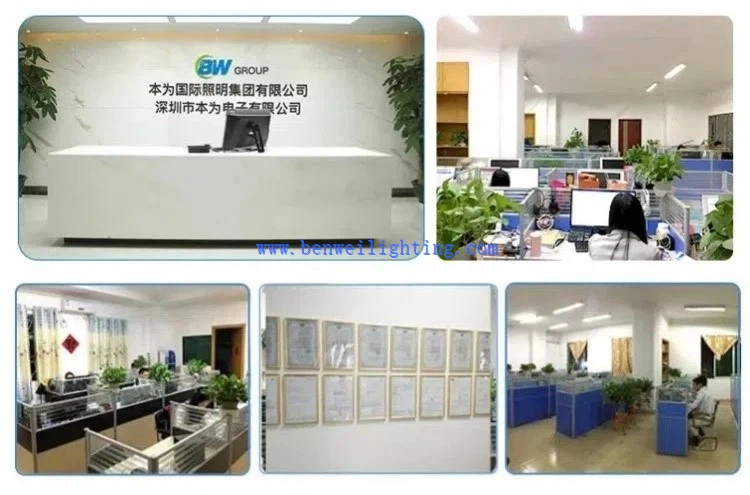
Our firm prides itself on owning its own factory, guaranteeing complete control over the production process and the quality of our goods. We are not only agents; we are manufacturers committed to offering our clients the most competitive rates available. We invite consumers to evaluate our samples first, as we are assured that the quality and pricing of our items are self-evident. Our dedication to excellence and client satisfaction compels us to consistently perform at our best and provide superior quality products.
Our address
3rd Floor, 5th Building, Hebei Industrial Park, Hualian Community, Longhua District, Shenzhen, China





