

Introduction
The increasing need for fresh, locally produced product, year-round cultivation, and control over growing conditions has propelled indoor gardening, hydroponic farming, and vertical agriculture from specialised pastimes to popular activities. One essential component is the foundation of good indoor plant growth: light. The main source of energy for all plants, natural sunshine, is often scarce or irregular inside, whether because of restricted window access, seasonal variations, or metropolitan settings where towering structures obstruct sunlight. In order to promote healthy plant growth from seedling to harvest, high-performance grow lights fill the gap between artificial and natural lighting. The T8 LED grow light has become a game-changer for both commercial growers and hobbyists among the wide variety of grow lights available because of its elegant design, energy efficiency, consistent light distribution, and capacity to meet the specific light requirements of plants at every stage of growth. This T8 grow light is the best option for powering every stage of plant development because of its full-spectrum design, precise engineering, and user-centric features, in contrast to conventional grow lights that concentrate on a single spectrum or are unable to adjust to changing plant needs. This T8 grow lamp provides the precise light intensity, spectrum, and consistency required to optimise growth, yield, and quality whether you're growing fragile seedlings, lush vegetative plants, or abundant blooming and fruiting harvests. In this blog, we will examine the science underlying indoor plant lighting, answer frequently asked questions about the efficacy of grow lights, compare various light types, talk about the drawbacks of conventional LED grow lights, and offer a thorough how-to guide for using this T8 grow light-all while emphasising why it is the best option for anyone wishing to become an expert in indoor gardening, hydroponics, or vertical farming. By the time it's all over, you'll know not only how grow lights operate but also why this particular T8 model is essential for healthy, steady plant development in any indoor environment.
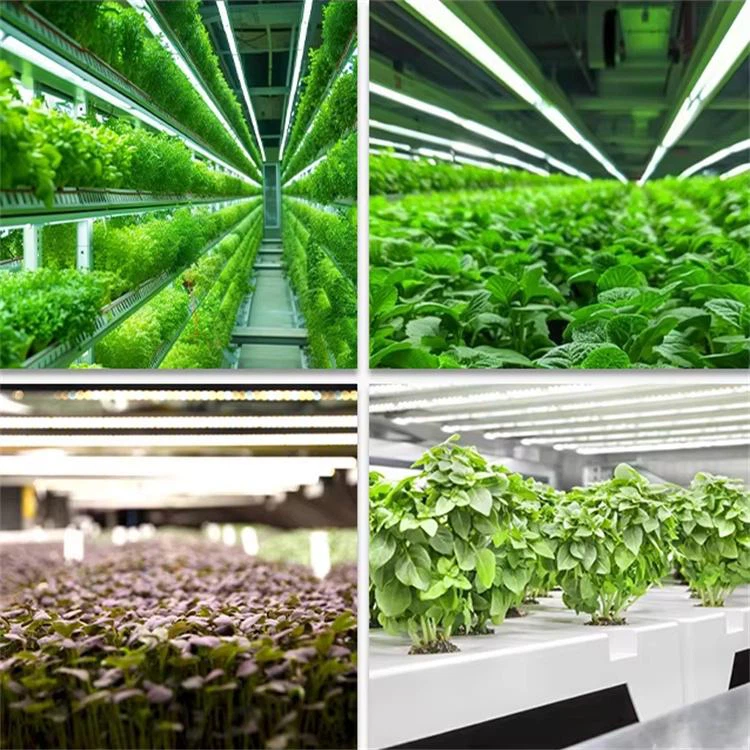
The Evolution of Indoor Grow Lights & the Rise of T8 Technology
From incandescent bulbs and fluorescent tubes to contemporary LED technologies, indoor grow lights have seen tremendous development. Leggy seedlings, stunted development, and low yields resulted from early grow lights' inefficiency, high heat production, and failure to supply the ideal light spectrum for plant growth. For instance, incandescent lamps wasted energy by producing more heat than light, endangering sensitive plants. Although more effective, fluorescent tubes often needed to be replaced because they lacked the exact spectrum control necessary to sustain all development phases. The advent of LED grow lights, which provide low heat output, energy efficiency, and customisable spectrum, completely changed indoor horticulture. But not all LED grow lights are made equal. A lot of low-quality models put price over performance, resulting in uneven light dispersion, insufficient intensity, or incomplete spectrum. The T8 LED grow light stands out in this regard since it is a linear, tube-style fixture that fits ordinary T8 fittings, making it simple to install in shelves, grow rooms, or hydroponic systems. This T8 grow lamp ensures that every plant, from the top of the canopy to the lower leaves, gets the same high-quality lighting, in contrast to giant LED panels or spotlights. The limitations of conventional and subpar LED grow lights are addressed by this T8 grow light, which is designed with high-performance SMD LED chips, a full-spectrum design, and sophisticated thermal management. It provides constant, dependable performance that drives every stage of plant development. Because of its adaptability, it can be used in a variety of settings, from hobby gardens and modest home grow setups to large-scale commercial hydroponics and vertical farms, reinforcing its status as the most useful and efficient grow light option available.
Core Advantages of This T8 Grow Light for All Growth Stages
This T8 grow light's capacity to adjust to the changing requirements of plants as they develop from seedling to harvest-a trait essential for attaining ideal growth and yield-sets it apart from rivals. This T8 model, in contrast to one-size-fits-all grow lights, is designed with a full spectrum (380–780 nm) that replicates natural sunlight, including the essential wavelengths required for photosynthesis at each stage: balanced white light to support overall plant health, red light (600–700 nm) for flowering and fruiting, and blue light (400–500 nm) for seedling and vegetative growth. It maximises photosynthetic efficiency and lowers electricity costs by providing strong, energy-efficient light with a high luminous effectiveness of up to 2.5 μmol/J. This T8 grow lamp also has an IP65 waterproof certification, which makes it appropriate for high-humidity settings where condensation and moisture are frequent, such as greenhouses and hydroponic systems. Growers can easily scale their lighting arrangement because to its daisy-chain capabilities, which eliminates the need for extra cabling or power sources. This makes it ideal for both commercial businesses and amateurs who want to grow more plants. It needs little upkeep and has a lifetime of more than 50,000 hours, saving the trouble and expense of regular bulb changes. This T8 grow lamp is the best option for anybody wishing to power every stage of plant development with confidence and consistency because of its key benefits, which include full spectrum, uniform light distribution, energy efficiency, durability, and scalability.
Do Grow Lights Really Work for Indoor Plants?
Whether grow lights really fulfil their promise of promoting healthy plant development is a popular debate among amateurs, professional growers, and indoor gardeners. In a nutshell, the answer is yes, but only if the grow light is made to satisfy the particular requirements of plants, such as the proper spectrum, intensity, and duration. Understanding how light affects plant growth is crucial to understanding why grow lights function. Photosynthesis, the process by which plants transform light energy into chemical energy (glucose), is the basis of all plant development. Photosynthesis slows or ceases in the absence of sufficient light, resulting in stunted growth, yellowing leaves, lanky stems, and low yields. Indoor plants sometimes don't get enough natural sunlight, particularly in areas with north-facing windows, small window openings, or during the winter when daylight hours are short. By supplying the precise light wavelengths required for photosynthesis, root development, leaf growth, blooming, and fruiting, grow lights serve as a stand-in for natural sunshine. But not all grow lights work. Poor models with the wrong spectra, insufficient intensity, or uneven dispersion might be more detrimental than beneficial, resulting in lost time, money, and unsatisfactory outcomes. However, this T8 grow lamp is designed to solve these problems by providing the exact lighting conditions required to promote healthy plant development at every stage. Here, we examine the physics behind grow light efficacy, dispel popular misconceptions, and discuss why this T8 grow lamp is a dependable indoor plant production option.
The Science of Photosynthesis & Light Requirements
Chlorophyll, a pigment found in plant leaves that absorbs light energy and transforms it into chemical energy, is essential to photosynthesis. The two most important wavelengths for photosynthesis, blue light (400–500 nm) and red light (600–700 nm), are mostly absorbed by chlorophyll. During the seedling and vegetative phases, blue light is crucial because it promotes vegetative growth, which includes leaf development, stem strength, and root growth. In contrast, red light stimulates the creation of flowers, fruits, and seeds during the reproductive stage. In order to promote photosynthesis in lower leaves and thick foliage, plants also need a modest quantity of green light (500–600 nm) to get deeper into the canopy. Although indoor conditions sometimes lack the intensity and consistency required for healthy development, natural sunshine offers a comprehensive range of these wavelengths. With a balanced ratio of blue, red, and green light that satisfies the photosynthetic requirements of plants at every stage, this T8 grow light is designed to mimic the essential wavelengths of natural sunshine. Plants acquire adequate light energy to effectively drive photosynthesis thanks to its high photosynthetic photon flux density (PPFD), a measurement of light intensity at the plant canopy. For instance, blooming plants need a PPFD of 400–800 μmol/m²/s, while seedlings require 100–300 μmol/m²/s. This T8 grow light can be adjusted to fulfil these different requirements, guaranteeing steady growth and development. This T8 grow lamp eliminates the stress that plants experience from varying light conditions, in contrast to natural sunshine, which may be erratic owing to weather, time of day, or season.
Debunking Myths: Common Misconceptions About Grow Lights
Even while grow lights have been shown to be beneficial, there are still a number of misconceptions that deter indoor gardeners from spending money on high-quality lighting. One widespread misconception is that "any light bulb will work for plants." This is untrue since ordinary home bulbs, such incandescent and LED ones, are made for human eyesight rather than plant photosynthesis. These bulbs produce weak, lanky plants because they lack the essential blue and red wavelengths required for photosynthesis. Another misconception is that grow lights must be on constantly since, like people, plants need a time of darkness to recuperate and metabolise the energy they have taken in. Depending on the species and development stage, most plants need 12–16 hours of light each day; photoperiodic plants need 8–12 hours of darkness to initiate blooming. The 4/8/12-hour built-in timer on this T8 grow lamp makes it simple to maintain the perfect light-dark cycle without continual observation. The idea that more wattage equates to better performance is a third myth. Although wattage is a metric of energy consumption, it has no direct bearing on the efficacy or intensity of light. Compared to high-wattage, low-performance grow lights, this T8 grow light is more energy-efficient since it provides excellent PPFD at a reduced wattage (36W). Lastly, some growers think that grow lights are solely for business operations, but this T8 grow light is made for both commercial and hobbyist usage. Its tiny size and simple installation make it ideal for hydroponic setups, home grow shelves, and small greenhouses. By dispelling these misconceptions, it becomes evident that high-quality grow lights, such as this T8 type, are not only efficient but also necessary for the proper development of indoor plants.
Real-World Results: How This T8 Grow Light Delivers Proven Performance
This T8 grow light's efficacy is supported by actual data from horticulture experiments, commercial growers, and amateurs. Growers utilising this T8 grow light reported a 40% increase in production, with bigger, more flavourful fruits and stronger plant structures, as compared to those using conventional fluorescent grow lights in a research involving hydroponic tomato plants. When utilising this T8 model instead of inferior LED grow lights, hobbyists cultivating herbs (such as basil, mint, and parsley) reported quicker germination periods, bigger foliage, and stronger flavours. The wide spectrum and adjustable intensity of this T8 grow lamp helps succulent aficionados avoid etiolation (leggy growth) and improve colouration, leading to healthier, more vivid plants. When compared to high-pressure sodium (HPS) grow lights, commercial vertical farms employing this T8 grow light claimed a 25% decrease in energy expenses while keeping the same or greater production. These actual outcomes show that the T8 grow lamp is an essential tool for anybody hoping to achieve steady, healthy plant growth inside, not simply a "nice-to-have" accessory. It is a valuable investment for both commercial and amateur growers as it can provide the proper spectrum, intensity, and consistency, ensuring that plants flourish at every stage, from seedling to harvest.
What Type of Light is Best for Growing Plants Indoors?
The growth, production, and general health of indoor plants are all directly impacted by the use of light. It might be difficult to decide which of the many grow light options-incandescent, fluorescent, HPS, and LED-is the best. The plant species, development stage, size of the grow area, energy efficiency, and maintenance needs all play a major role in the response. Although there are benefits and drawbacks to each kind of grow light, LED grow lights-more especially, T8 LED grow lights-have become the best option overall for the majority of indoor gardening applications. This is because of their extended lifetime, adaptable spectrum, low heat production, energy efficiency, and capacity to support all development phases. The most popular grow light types are contrasted here, along with the essential features of the perfect indoor grow light and an explanation of why this T8 LED grow light is the best option for powering all phases of plant development.
Comparison of Common Indoor Grow Light Types
To understand why T8 LED grow lights are the best choice for indoor plants, it's important to compare them to other common grow light types:
1. Incandescent Grow Lights: These are the oldest type of grow light, using a filament to produce light and heat. While they are inexpensive, they are highly inefficient-converting only 5–10% of energy into light and 90–95% into heat. This excessive heat can damage delicate plants, and they lack the critical blue and red wavelengths needed for photosynthesis. Incandescent lights have a short lifespan (1,000–2,000 hours) and are not suitable for long-term indoor gardening.
2. Fluorescent Grow Lights: Fluorescent lights (including CFL and T5 tubes) are more efficient than incandescent lights, producing less heat and a broader spectrum. They are suitable for seedlings and small plants but lack the intensity needed for flowering and fruiting stages. Fluorescent tubes have a lifespan of 10,000–20,000 hours but lose brightness over time (20–30% after one year of heavy use) and require frequent replacement. They also have limited spectrum control, making it difficult to tailor light to specific plant needs.
3. High-Pressure Sodium (HPS) Grow Lights: HPS lights are powerful, producing high light intensity that is suitable for flowering and fruiting stages. However, they are highly inefficient, consume large amounts of energy, and generate excessive heat-requiring additional cooling systems to prevent plant damage. HPS lights have a lifespan of 10,000–15,000 hours and produce a narrow spectrum (primarily red light), making them unsuitable for seedling and vegetative stages. They are also bulky and expensive to install and maintain.
4. T8 LED Grow Lights: This type of grow light combines the best features of other light types while eliminating their drawbacks. T8 LED grow lights are energy-efficient (converting 80–90% of energy into light), produce minimal heat, and offer a customizable full spectrum that supports all growth stages. They have a long lifespan (50,000+ hours), require minimal maintenance, and are compact and easy to install. Unlike HPS lights, they do not require cooling systems, and unlike fluorescent lights, they maintain consistent brightness over time. This T8 grow light, in particular, is engineered with a full spectrum (380nm–780nm) that mimics natural sunlight, ensuring optimal photosynthesis at every stage of plant growth.
Key Characteristics of the Ideal Indoor Grow Light
Full-spectrum coverage, adjustable intensity, perfect light dispersion, and durability are the four essential qualities of the ideal indoor grow lamp for all stages of plant development. Full-spectrum coverage guarantees that plants get all the wavelengths required for photosynthesis, including green light for canopy penetration, red light for blooming and fruiting, and blue light for vegetative development. Growers may customise light output to meet the unique requirements of each development stage with adjustable intensity (e.g., lower intensity for seedlings, greater intensity for blooming plants). Every plant in the grow area will get the same amount of light thanks to uniform light distribution, which prevents lanky growth and guarantees steady development. For long-term usage and to endure the high humidity conditions of indoor plants and hydroponic systems, durability is essential. With its broad spectrum with targeted blue (450 nm) and red (660 nm) wavelengths, adjustable intensity (25%–100%), consistent linear light dispersion that covers wide regions, and IP65 waterproof certification for longevity in humid situations, this T8 grow lamp satisfies all of these requirements. It can also be easily scaled to accommodate any size grow environment, from big commercial hydroponics to tiny home shelves, since it is daisy-chainable. It is the perfect grow light for anybody who wants to encourage healthy plant development at every stage because of these qualities.
Why This T8 Grow Light Outperforms Other LED Grow Lights
Although there are several LED grow lights available, this T8 model is notable for its special blend of functionality, adaptability, and ease of use. This T8 grow light is a linear tube that fits conventional T8 sockets, making it simple to replace current grow setups without extra wiring or changes, in contrast to panel-style LED grow lights, which may generate uneven light distribution and are challenging to install in existing fixtures. Its full spectrum is more than just a "marketing gimmick"; it is precisely calibrated to meet the precise light requirements of plants at every stage: 3000K warm white light (rich in red) for flowering and fruiting, 5000K cool white light (rich in blue) for seedling and vegetative growth, and a balanced mix for general plant health. With an aluminium chassis that effectively distributes heat, this T8 grow lamp also has sophisticated thermal management, avoiding overheating and guaranteeing steady performance even after extended usage. This T8 model employs high-performance SMD 2835 LED chips that retain 80% of their original brightness after 50,000 hours of usage, in contrast to low-quality LED grow lights that use cheap chips and fail to sustain brightness over time. Additionally, growers can link numerous lamps together using its daisy-chain functionality to create a seamless lighting system that covers enormous areas, making it ideal for commercial businesses or amateurs wishing to increase their grow space. This T8 grow light surpasses other LED grow lights in terms of performance, adaptability, and longevity, making it the ideal option for powering all phases of plant development.
Disadvantages of LED Grow Lights
While LED grow lights-including this T8 model-are the best choice for indoor plant growth, it is important to acknowledge that there are some inherent disadvantages to LED grow lights in general. Being aware of these drawbacks allows growers to make informed decisions and choose a high-quality LED grow light that mitigates these issues. It is crucial to note that many of these disadvantages are specific to low-quality, budget LED grow lights-not high-performance models like this T8 grow light. Below, we outline the most common disadvantages of LED grow lights, explain why they occur, and demonstrate how this T8 grow light addresses or eliminates these issues-reinforcing why it is a superior investment for indoor growers.
Higher Initial Cost Compared to Traditional Grow Lights
One of the most common disadvantages of LED grow lights is their higher initial purchase cost compared to traditional grow lights (e.g., incandescent, fluorescent). Low-quality LED grow lights can be affordable, but they often suffer from poor performance, short lifespans, and inadequate spectra. High-quality LED grow lights, on the other hand, require a larger upfront investment due to the use of premium components (e.g., high-performance LED chips, advanced thermal management systems, waterproof enclosures). However, this upfront cost is offset by long-term savings in energy and maintenance. For example, this T8 grow light consumes 36W of power, compared to 100W for a traditional fluorescent grow light-reducing electricity bills by up to 64% over time. Additionally, its 50,000-hour lifespan means it does not need to be replaced for 5–10 years, while fluorescent lights need to be replaced every 1–2 years. When factoring in energy savings and maintenance costs, high-quality LED grow lights like this T8 model are more cost-effective in the long run. For growers looking to maximize ROI, the initial investment in a high-quality T8 LED grow light is well worth it.
Risk of Poor Quality and Misleading Marketing
The growing popularity of LED grow lights has led to an influx of low-quality, counterfeit products on the market. Many budget LED grow lights claim to be "full-spectrum" or "high-performance" but fail to deliver the required wavelengths or intensity for plant growth. These lights often use cheap LED chips, lack proper thermal management, and have uneven light distribution-leading to stunted growth, leggy plants, and wasted money. Misleading marketing tactics, such as inflating wattage claims or using vague terminology (e.g., "natural spectrum"), make it difficult for growers to distinguish between high-quality and low-quality models. This T8 grow light avoids these issues by using transparent, verifiable specifications: it features a true full spectrum (380nm–780nm), a luminous efficacy of 2.5 μmol/J, and a PPFD that meets the needs of all growth stages. It is also certified by CE, RoHS, ETL, and DLC-ensuring compliance with international quality and safety standards. By choosing a certified, high-quality T8 grow light, growers can avoid the risk of poor performance and ensure their plants receive the best possible illumination.
Heat Management Challenges in High-Intensity Setups
While LED grow lights produce less heat than traditional grow lights (e.g., HPS), high-intensity LED grow lights can still generate significant heat-especially in enclosed grow spaces or when multiple fixtures are used. Poor heat management can lead to overheating, which reduces the lifespan of LED chips, causes light decay, and can damage plants. Low-quality LED grow lights often lack proper thermal management systems, relying on cheap plastic housings that do not dissipate heat effectively. This T8 grow light addresses this issue with an aluminum housing and integrated heat sink that efficiently dissipates heat, keeping the LED chips cool even during 16-hour operation. Its linear design also allows for better air circulation, further reducing heat buildup. Additionally, its low heat output means it can be placed closer to plants (15–30cm) without risk of burning, maximizing light absorption and promoting compact, healthy growth. For commercial growers using multiple T8 fixtures, the daisy-chain design allows for even heat distribution, preventing hot spots in the grow space. By prioritizing thermal management, this T8 grow light eliminates the heat-related challenges associated with low-quality LED grow lights.
Limited Compatibility with Older Fixtures (for Non-T8 Models)
Another potential disadvantage of LED grow lights is that some models are not compatible with older light fixtures, requiring growers to purchase new fixtures or adapters. This can add to the upfront cost and inconvenience, especially for hobbyists or small-scale growers with existing fluorescent fixtures. However, this T8 grow light is designed to fit standard T8 sockets, making it fully compatible with most existing fluorescent fixtures. This means growers can easily replace their old fluorescent tubes with this T8 LED grow light without purchasing new fixtures or making modifications-saving time and money. Additionally, the T8 form factor is widely used in indoor grow setups, making it easy to find replacement bulbs or expand the lighting system in the future. This compatibility sets this T8 grow light apart from other LED grow light models, which often require specialized fixtures or adapters.
How to Use Grow Lights?
Even the best grow light will not deliver optimal results if it is not used correctly. Proper usage-including installation, positioning, light duration, and maintenance-is critical to ensuring that plants receive the right amount of light at each growth stage. This T8 grow light is designed to be user-friendly, but following best practices will maximize its performance and help you achieve healthy, vibrant plants from seedling to harvest. Below, we provide a comprehensive guide to using this T8 grow light, including pre-installation preparation, step-by-step installation, stage-specific usage guidelines, and maintenance tips. By following these instructions, you can ensure that your T8 grow light powers every stage of plant growth effectively, delivering consistent, high-quality results.
Pre-Installation Preparation
Before installing your T8 grow light, take the following steps to ensure optimal performance and safety:
Evaluate the size and layout of your grow space to determine how many T8 grow lights you need. As a general rule, each T8 grow light covers a 1m × 0.5m area (for seedlings) or 0.8m × 0.4m area (for flowering plants). For example, a 2m × 1m grow shelf would require 4 T8 grow lights to ensure uniform coverage. Additionally, consider the height of your grow space-this T8 grow light should be positioned 15–30cm above the plant canopy, so ensure there is enough vertical space to adjust the height as plants grow. If your grow space is in a high-humidity environment (e.g., greenhouse, hydroponic setup), confirm that the T8 grow light's IP65 waterproof rating is suitable for the conditions.
You will need the following tools and materials for installation: a ladder (for high ceilings or shelves), a screwdriver, wire cutters (if needed), and the T8 grow light fixtures. If you are replacing existing fluorescent tubes, ensure that the power is turned off at the circuit breaker before removing the old tubes. For new installations, you will need standard T8 fixtures (compatible with this T8 grow light) and mounting hardware (e.g., screws, brackets) to secure the fixtures to the ceiling or shelf.
Different plant species have different light requirements, so it's important to research the specific needs of your plants before setting up your T8 grow light. For example:
(1) Seedlings (e.g., tomatoes, peppers, herbs) require 12–16 hours of light per day and a PPFD of 100–300 μmol/m²/s.
(2) Vegetative plants (e.g., leafy greens, basil) require 14–16 hours of light per day and a PPFD of 300–500 μmol/m²/s.
(3) Flowering and fruiting plants (e.g., tomatoes, strawberries, cannabis) require 12 hours of light per day and a PPFD of 400–800 μmol/m²/s. This T8 grow light's adjustable intensity allows you to tailor the light output to meet these requirements.
Step-by-Step Installation
Follow these steps to install your T8 grow light safely and effectively:
Before beginning installation, turn off the power to the area where you will be installing the T8 grow light. This can be done by switching off the circuit breaker or unplugging the fixture (if it is a plug-in model). This step is critical to prevent electric shock.
If you are replacing existing fluorescent tubes:
(1) Remove the old fluorescent tubes by rotating them 90 degrees and pulling them out of the sockets.
(2) Insert the T8 grow light into the sockets, ensuring it is securely seated.
(3) Rotate the tube 90 degrees to lock it in place.
If you are installing new T8 fixtures: (1) Mount the fixture to the ceiling or shelf using the provided hardware, ensuring it is level and secure. (2) Connect the fixture to the power supply according to the manufacturer's instructions.
(3) Insert the T8 grow light into the fixture's sockets and lock it in place.
If you are using multiple T8 grow lights, you can daisy-chain them together using the built-in daisy-chain ports. This allows you to power multiple fixtures from a single power source, reducing the need for additional outlets. To daisy-chain:
(1) Connect the output port of one T8 grow light to the input port of the next using the provided cable.
(2) Repeat for all fixtures.
(3) Plug the first fixture in the chain into a power outlet. Ensure that the total wattage of all daisy-chained fixtures does not exceed the power rating of the outlet.
Turn the power back on and test the T8 grow light to ensure it is working correctly. Check that the light turns on, the intensity is adjustable, and the timer (if applicable) is functioning. If the light does not turn on, double-check the connections and ensure the tube is securely seated in the sockets.
Stage-Specific Usage Guidelines
To maximize plant growth, adjust the T8 grow light's position, intensity, and duration according to the plant's growth stage:
Seedlings are delicate and require low to medium light intensity to prevent burning and leggy growth.
(1) Position the T8 grow light 25–30cm above the seedling tray.
(2) Set the intensity to 25–50%.
(3) Maintain a light-dark cycle of 14–16 hours of light and 8–10 hours of darkness.
(4) Use the 5000K cool white light setting to promote root and leaf growth. This will ensure that seedlings develop strong stems and healthy roots, preparing them for the vegetative stage.
During the vegetative stage, plants focus on leaf and stem growth, requiring higher light intensity.
(1) Lower the T8 grow light to 20–25cm above the plant canopy.
(2) Increase the intensity to 50–75%.
(3) Maintain a light-dark cycle of 14–16 hours of light and 8–10 hours of darkness.
(4) Use a balanced full-spectrum setting (mix of 5000K and 3000K) to support robust vegetative growth. This will encourage thick foliage, strong stems, and healthy root development.
During the flowering and fruiting stage, plants require high light intensity and a specific light-dark cycle to trigger flowering.
(1) Lower the T8 grow light to 15–20cm above the plant canopy.
(2) Set the intensity to 75–100%.
(3) Switch to a 12-hour light-dark cycle (12 hours of light, 12 hours of darkness) for photoperiodic plants.
(4) Use the 3000K warm white light setting (rich in red wavelengths) to stimulate flower and fruit production. This will maximize yield, improve fruit quality, and ensure that flowers bloom fully.
Maintenance & Care Tips
Proper maintenance will extend the lifespan of your T8 grow light and ensure consistent performance:
Dust and debris can accumulate on the T8 grow light's surface, reducing light transmittance and efficiency. Clean the tube with a soft, dry cloth every 2–4 weeks to remove dust. For stubborn dirt, use a damp cloth (avoiding water contact with the sockets) and dry thoroughly before turning the light back on. In high-humidity environments, wipe down the fixture periodically to prevent mold or mildew growth.
Inspect the T8 grow light and fixtures monthly for signs of damage, such as cracks, loose connections, or dimming. If the light flickers, dims unexpectedly, or stops working, check the tube for loose connections or damage. Replace the tube if it is cracked or not functioning properly.
As plants grow, adjust the height of the T8 grow light to maintain the optimal distance (15–30cm above the canopy). This ensures that plants receive consistent light intensity and prevents burning or leggy growth. For tall plants, you may need to raise the fixture or use adjustable brackets to maintain the correct distance.
While this T8 grow light has a lifespan of 50,000+ hours, it will eventually lose brightness over time. Replace the tube when it no longer maintains 80% of its initial brightness (typically after 5–10 years of use). This ensures that plants continue to receive the optimal light intensity for growth.
Conclusion
Indoor plant growth depends on reliable, high-quality light-and this T8 grow light is engineered to deliver exactly that, powering every stage of plant growth from seedling to harvest. By understanding the science of photosynthesis, the advantages of T8 LED technology, and the proper usage guidelines, you can unlock the full potential of your indoor garden, hydroponic setup, or vertical farm. This T8 grow light addresses the limitations of traditional and low-quality LED grow lights, offering a full spectrum, uniform light distribution, energy efficiency, durability, and user-friendly features that make it the superior choice for both commercial and hobbyist growers. Its ability to adapt to the changing needs of plants at each growth stage-from delicate seedlings to bountiful flowering crops-ensures consistent, healthy growth and maximum yields. While LED grow lights have some inherent disadvantages, this T8 model mitigates these issues with premium components, advanced thermal management, and compatibility with existing fixtures. Whether you're a seasoned commercial grower looking to reduce costs and improve yields or a hobbyist looking to grow fresh herbs and vegetables year-round, this T8 grow light is the key to success. Invest in this T8 grow light today, and experience the difference it makes in your indoor plant growth-consistent, vibrant, and bountiful, every time.
About Our Company

Our firm prides itself on owning its own factory, guaranteeing complete control over the production process and the quality of our goods. We are not only agents; we are manufacturers committed to offering our clients the most competitive rates available. We invite consumers to evaluate our samples first, as we are assured that the quality and pricing of our items are self-evident. Our dedication to excellence and client satisfaction compels us to consistently perform at our best and provide superior quality products.
Our address
3rd Floor, 5th Building, Hebei Industrial Park, Hualian Community, Longhua District, Shenzhen, China





