

Artificial egg incubation technology is the core link of standardized and large-scale poultry breeding, which directly determines the hatching rate, chick survival rate and growth quality of poultry eggs. As one of the key environmental regulation equipment in the incubator, the incubator light undertakes multiple core functions including optical environment regulation, auxiliary temperature maintenance and embryonic development induction. A scientific and reasonable light source configuration can optimize the internal microenvironment of the incubator, standardize the embryonic development rhythm, and effectively reduce the abnormal hatching rate and developmental malformation rate of poultry eggs. Conversely, improper selection of incubator lights will lead to unbalanced light and heat environment, hinder embryonic cell differentiation and tissue development, and eventually cause low hatching efficiency.
In modern poultry breeding industry, with the continuous enrichment of poultry breeding categories and the continuous improvement of standardized incubation systems, the functional differentiation and parameter diversification of commercial incubator lights have become increasingly prominent. Different poultry species, embryonic incubation stages and breeding scale scenarios put forward differentiated requirements for light source spectrum, brightness, heat output, durability and energy consumption performance. For poultry farmers, it is difficult to screen high-matching incubator light products from numerous market options without systematic selection basis. Based on the physiological characteristics of poultry embryonic development and industrial incubation technical specifications, this paper systematically constructs a multi-dimensional selection system of incubator lights, analyzes the core selection factors and application specifications, and provides scientific theoretical basis and practical technical guidance for the precise selection of incubator lights adapting to unique flock incubation needs.
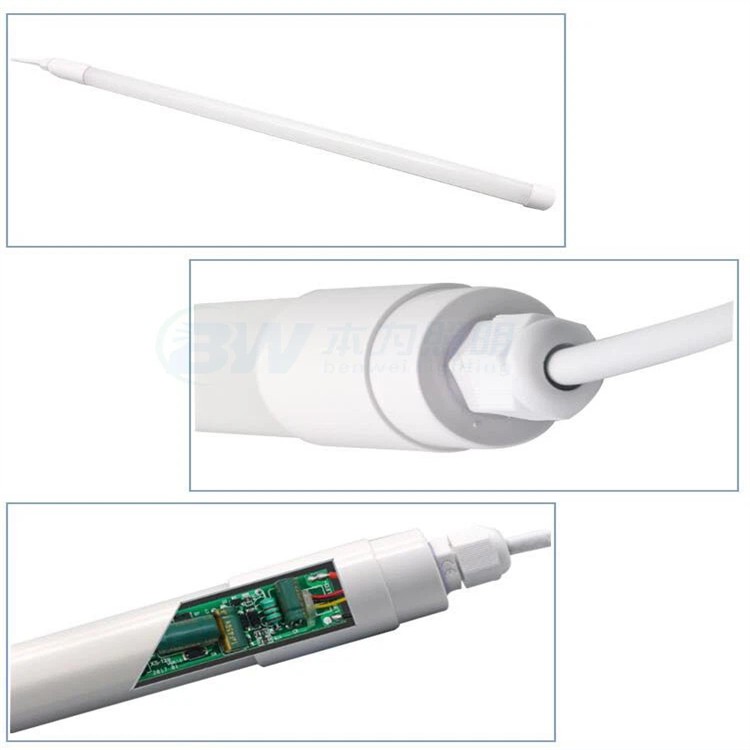
Core Selection Factors of Egg Incubator Lights
The selection of egg incubator lights is a systematic engineering combining poultry physiology, environmental engineering and equipment performance. It is necessary to break through the single parameter selection mode and comprehensively evaluate multiple dimensions such as poultry species adaptability, incubation stage matching, photothermal performance, product quality, energy consumption level and functional expansion. The detailed selection standards and professional optimization strategies are analyzed as follows.
Adaptability Matching of Poultry Species
Different types of poultry have evolved unique embryonic light response mechanisms in the long-term natural evolution process, and their tolerance and demand for light spectrum and intensity during incubation are significantly different. The light environment acts on the photoreceptor cells of poultry embryos, regulates the secretion of developmental hormones such as melatonin, and affects the speed of embryonic metabolism, organ differentiation and shell-breaking activity. Therefore, the spectrum type of incubator light must be highly matched with the genetic characteristics of the incubated poultry species, which is the primary premise to ensure efficient incubation.
For large domestic poultry represented by chickens and turkeys, natural sunlight simulation high-brightness white light is the optimal incubation light source. The full-spectrum white light with a color temperature of 5000K-6500K is highly consistent with natural solar spectrum, which can effectively activate embryonic metabolic enzymes, accelerate the development of cardiovascular and respiratory systems of embryos, and improve the neatness of hatching. For small game birds such as quails, partridges and wild pheasants, their embryos are sensitive to strong light stimulation. Excessive bright white light will cause embryonic stress response, inhibit hormone secretion and reduce hatching rate. The soft low-saturation red light with a wavelength of 620-660nm has mild stimulation, which can stabilize the embryonic development state, reduce abnormal development, and adapt to the incubation physiological characteristics of game birds. In the actual selection, the spectral characteristics of the light source should be accurately matched according to the specific breeding poultry species to avoid universal light source misapplication.
Dynamic Matching of Incubation Development Stages
The light demand of poultry eggs shows obvious dynamic gradient changes with the advancement of incubation cycle, and the light sensitivity of embryos increases gradually with tissue differentiation and organ perfection. In the early stage of incubation (the first 1-7 days), poultry embryos are in the initial stage of cell division and tissue formation, with weak light perception ability. Excessive light intensity will interfere with the initial differentiation of embryonic cells and affect the formation of basic tissues. In the middle and late stages of incubation (8 days to shell breaking stage), the embryonic photoreceptor system is basically developed, and the metabolic rate increases significantly. Moderate enhanced light irradiation can promote embryonic activity, accelerate yolk absorption, and improve the vitality of shell-breaking hatching.
In view of the staged differentiation of embryonic light demand, fixed-brightness incubator lights cannot meet the whole-cycle incubation requirements. It is necessary to give priority to dimmable adjustable incubator light products with brightness regulation function. The adjustable light source can realize stepless adjustment of light intensity according to the incubation cycle: low-brightness weak light is used in the early incubation stage to protect initial embryonic development, and the light brightness is gradually increased in the middle and late stages to assist embryonic maturation. This dynamic light regulation mode can effectively avoid developmental disorders caused by inappropriate light intensity in a single stage and optimize the whole-cycle incubation effect.
Photothermal Synergy Performance of Light Sources
The internal environmental temperature of the incubator is one of the three core indicators (temperature, humidity, ventilation) affecting hatching success. Different from ordinary lighting lamps, incubator-specific lights have dual attributes of optical regulation and auxiliary heating. While providing effective light stimulation for embryos, the heat energy generated by lamp operation can assist the incubator heating system to maintain a constant internal temperature, avoid temperature fluctuation, and ensure the stability of the incubation microenvironment. The photothermal synergy performance of the light source directly affects the temperature control accuracy of the incubator and the uniformity of internal environmental heat distribution.
The heat output of incubator lights is positively correlated with the lamp power wattage, and the required heat supply varies with the egg size, embryonic volume and incubation temperature requirements of different poultry. For large-volume poultry eggs such as chickens and turkeys, the embryonic development requires a relatively stable high-temperature environment, and a 250W professional incubator lamp is the mainstream matching specification, which can provide stable and lasting auxiliary heat to meet the basic heat preservation demand of conventional incubators. For small-volume poultry eggs such as quails, the embryos have low heat tolerance. Excessive heat output will lead to local overheating of eggs, cause embryonic necrosis and affect hatching. It is necessary to select low-wattage lamps below 100W to ensure mild heat output and avoid heat stress damage to small embryos.
Product Quality and Operational Stability
The closed and continuous operation characteristics of incubators put forward high requirements for the stability and durability of light sources. Low-quality ordinary bulbs have prominent application defects in incubation scenarios: insufficient luminous flux leads to ineffective light stimulation and affects embryonic development; poor thermal stability causes uneven heat output and frequent temperature fluctuation; fragile lamp bodies are easy to burst in high-temperature and high-humidity incubation environment, resulting in equipment failure and incubation interruption, and even polluting the internal sterile environment of the incubator.
High-quality incubator-specific lights are professionally optimized for high-temperature and high-humidity closed incubation environment. Such products have high luminous efficiency, stable spectral output and uniform heat dissipation. In terms of service life, professional incubator lamps adopt high-temperature resistant lamp bodies and high-quality luminous chips, with long continuous service life and low attenuation rate of light and heat performance. In the selection process, priority should be given to standardized customized products for poultry incubation, avoiding civilian ordinary bulbs, so as to ensure the long-term stable operation of the light source and the continuity of the incubation environment.
Energy-Saving Performance and Economic Benefits
Egg incubation is a long-cycle continuous operation process, and the incubator lights need to work stably for 24 hours for consecutive days or even weeks. For large-scale poultry breeding farms, the long-term continuous operation of lighting equipment will produce huge power consumption costs. At the same time, high-energy-consumption light sources will produce excessive redundant heat, increase the operating load of incubator heat dissipation equipment, and further improve the breeding operation cost. Therefore, energy efficiency is an indispensable economic and environmental evaluation index for incubator light selection.
LED incubator lights are the most ideal energy-saving light source for modern incubation, with ultra-high photoelectric conversion efficiency and ultra-long service life. Compared with traditional incandescent and halogen incubator lamps, LED lamps can reduce energy consumption by 60%-80% under the same light and heat output conditions, which can significantly reduce the daily power consumption cost of incubation. In terms of service life, high-quality LED incubation light sources can reach up to 50,000 hours of continuous working life, which greatly reduces the frequency of lamp replacement and equipment maintenance costs. In addition, LED lights have low heat attenuation and stable working state, which will not cause energy waste due to performance attenuation, and have good economic benefits and environmental protection value, reducing the carbon footprint of poultry breeding production.
Functional Expansion and Intelligent Adaptability
With the intelligent upgrading of modern incubation equipment, the single lighting and heating function can no longer meet the standardized and refined incubation management needs. Incubator lights with intelligent extended functions can realize synchronous monitoring and precise regulation of the incubation environment, effectively improve the level of incubation refinement management, and reduce the error rate of manual operation. Intelligent functional accessories can realize whole-cycle data recording of incubation, provide data support for hatching effect analysis and subsequent breeding optimization, and help farmers form standardized incubation technical processes.
The common practical extended functions of high-end incubator lights mainly include timing control system and environmental monitoring module. The built-in timing timer can accurately record the cumulative incubation time of poultry eggs, realize automatic switching of light and dark cycles according to the incubation stage, and simulate the natural light rhythm to standardize embryonic development. The digital environmental monitoring module can synchronously display the real-time temperature and humidity values inside the incubator, timely feed back the abnormal fluctuation of the incubation environment, and provide early warning of equipment operation faults, so as to ensure the safety and stability of the whole incubation process.
Comprehensive Selection Strategy and Application Specification
The selection of egg incubator lights should adhere to the demand-oriented and effect-centered principle, and form a multi-dimensional comprehensive matching scheme combining poultry species characteristics, incubation cycle rules, equipment performance and economic cost. First, determine the light source spectrum type according to the incubated poultry species to realize physiological adaptation matching; second, select adjustable light source equipment according to the staged light demand of embryonic development to meet the whole-cycle dynamic regulation demand; third, match the lamp power wattage according to the heat preservation demand of the incubator to ensure photothermal synergy stability; fourth, prioritize high-quality incubator-specific lamps with long life and high stability to avoid equipment failure risks; fifth, select energy-saving LED light sources to reduce long-term operating costs; finally, configure intelligent extended functions according to breeding scale and refined management needs to improve incubation efficiency.
Conclusion
The precise selection of egg incubator lights is a key link to improve the hatching rate and breeding quality of poultry. Different from ordinary lighting equipment, incubator lights need to meet the dual requirements of poultry embryonic physiological development and incubation environmental stability. Species adaptation, staged matching, photothermal performance, product quality, energy efficiency and intelligent function are the six core dimensions of incubator light selection. Scientific matching of light source parameters according to the unique incubation needs of different flocks can effectively optimize the internal microenvironment of the incubator, standardize the embryonic development rhythm, and reduce the risk of abnormal hatching. In modern standardized poultry breeding, adopting comprehensive and refined incubator light selection strategies can not only improve the economic benefit of breeding, but also promote the standardized and intelligent development of artificial incubation technology, which has important practical application value for the sustainable development of poultry breeding industry.

How To Cooperate With Us?
Having its own factory gives our firm complete control over the production process and the quality of our goods, which we take great pride in. We are manufacturers, not only brokers, committed to offering our clients the lowest costs. We invite consumers to evaluate our samples first since we are certain that the cost and quality of our items are evident. Our dedication to excellence and client happiness motivates us to consistently provide superior products.
Our address3rd Floor, 5th Building, Hebei Industrial Park, Hualian Community, Longhua District, Shenzhen, China





