

When choosing the right light bulbs for your classroom, there are a variety of factors to consider. From energy efficiency to brightness levels, there are several key considerations that can make a big difference in the learning environment of your classroom. In this article, we'll explore some of the most important factors to keep in mind when selecting light bulbs for your classroom. For educators and school administrators, classroom lighting is far more than just a basic facility requirement-it is a core element that directly affects students' learning efficiency, physical health, emotional state and long-term visual development. Many people overlook the importance of qualified classroom lighting, unaware that unsuitable light bulbs can lead to student fatigue, reduced concentration, frequent eye discomfort and even declining academic performance. Every detail of bulb selection, from power consumption to light quality, is closely linked to the daily teaching experience of teachers and the learning status of students. Therefore, mastering scientific bulb selection methods is essential to build a healthy, comfortable and efficient classroom learning space.
The first consideration to make is the level of energy efficiency that you're looking for. There are several different types of bulbs available on the market, from traditional incandescent bulbs to newer LED bulbs. Generally speaking, LED bulbs tend to be the most energy efficient, with a longer lifespan and lower electricity usage than traditional bulbs. This can save you money on your electricity bill in the long run, and will also reduce your ecological footprint. To fully understand the advantages of energy-efficient bulbs for classrooms, it is necessary to compare the performance of different types of lighting products in detail. Traditional incandescent bulbs rely on tungsten filament heating to emit light, which converts only about 5% of electrical energy into visible light, with the remaining 95% converted into heat energy, resulting in extremely low energy utilization efficiency. Moreover, their service life is only about 1,000 hours, requiring frequent replacement and bringing additional maintenance costs and work pressure to schools. In addition, halogen bulbs, an upgraded version of incandescent bulbs, have a slightly longer service life but still suffer from high energy consumption and serious heat generation problems, and are no longer suitable for long-term continuous use in classrooms. In contrast, modern LED classroom bulbs are revolutionary in energy efficiency and durability. Their photoelectric conversion efficiency can reach more than 80%, which means most of the electrical energy is used for lighting rather than wasted heat. The average service life of qualified LED bulbs is as long as 50,000 hours, which can stably serve multiple academic years without frequent replacement. For schools with dozens or even hundreds of classrooms, the long-term energy-saving effect is extremely significant, which can greatly reduce the school's daily operating expenses, realize reasonable cost control, and meanwhile reduce energy consumption and carbon emissions, helping schools practice green environmental protection education concepts and set a good environmental protection example for students.
Another important consideration is the brightness level of the light bulbs you choose. In a classroom environment, it's important to have sufficient lighting that allows students to see clearly and reduces eye strain. However, you also don't want lighting that is overly bright or harsh, as this can be uncomfortable for students and may even cause headaches. Look for bulbs that are labeled with their brightness levels, measured in lumens, and choose bulbs that offer a comfortable level of light for your classroom. Classroom brightness is a key indicator that conforms to professional educational lighting standards, and unreasonable brightness is one of the main culprits of students' myopia and visual fatigue. In actual teaching scenarios, different classroom functional areas have different brightness requirements. For the core learning area where students sit and study, the national educational lighting standard requires the average illuminance to reach more than 300 lux, and the illuminance uniformity should be guaranteed to avoid dark corners in the classroom. For key areas such as blackboards and whiteboards, the illuminance standard is higher, needing to reach more than 500 lux, to ensure that students in every position can clearly see the writing and course content on the blackboard. If the bulb brightness is insufficient, students will unconsciously squint, lean forward or adjust their sitting posture to see clearly, which will cause eye muscle tension over time, induce visual fatigue, and accelerate the development of myopia. On the contrary, if the bulb brightness is too high and the light is harsh, strong light will form glare on textbooks, desktops and blackboards. Long-term exposure to such strong glare will irritate students' eye retinas, cause eye dryness, soreness and swelling, and even trigger dizziness and headaches, making students unable to concentrate on listening and learning. Therefore, when purchasing bulbs, we must not only refer to the lumen value marked on the product label, but also combine the classroom area, floor height, number of light fixtures and spatial layout to calculate the most suitable brightness, ensuring that the overall light is soft, uniform and sufficient, creating a eye-friendly lighting environment for long-term classroom learning.
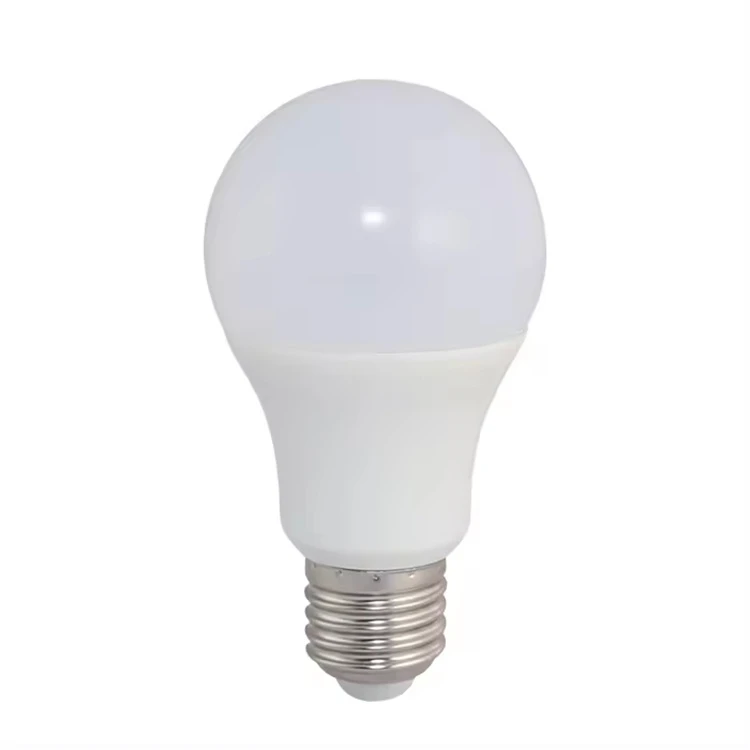
The color of the light bulbs you choose can also have an impact on the learning environment. Warm yellow light bulbs tend to be more calming and relaxing, while cooler blue light bulbs can help create a more energized and productive atmosphere. Think about the goals of your classroom and choose bulbs that will help support the learning objectives you have in mind. Light color, professionally defined as color temperature, is measured in Kelvin (K), and different color temperature lights can completely change the classroom atmosphere and students' mental state, playing a subtle guiding role in learning efficiency. Warm yellow light usually has a color temperature between 2700K and 3500K. This kind of light is soft and warm, close to the natural light in the morning and evening, which can effectively relieve students' nervous emotions, relieve learning pressure, and create a quiet and relaxed learning atmosphere. It is very suitable for reading classes, writing practice classes and evening self-study sessions that require long-term concentration and calm thinking, helping students stabilize their state and focus on in-depth learning and thinking. Cool white and blue light generally has a color temperature between 4000K and 6500K. This kind of light is bright and clear, with strong visual penetration, which can effectively refresh students' minds, eliminate drowsiness, and improve classroom activity and learning efficiency. It is more suitable for daytime conventional teaching, interactive discussion classes, experimental operation courses and other teaching scenarios that require high mental excitement. However, it is worth noting that excessively high color temperature light contains more blue light components. Long-term use will cause blue light overflow, irritate the eyes, and affect students' sleep quality to a certain extent. Therefore, it is not advisable to blindly pursue ultra-cool light. In actual selection, we can match different color temperature bulbs according to the daily teaching arrangement and course attributes of the classroom, so that the light environment can adapt to diverse learning needs and better assist the completion of teaching goals.
In addition to these considerations, there are a few other factors that can be helpful to keep in mind. For example, think about the placement of your light bulbs - you'll want to ensure that all areas of the classroom are well-lit, including high-traffic areas like near the chalkboard or whiteboard. You may also want to consider installing dimmer switches or other lighting controls that allow you to adjust the level of lighting depending on the activity or time of day. Reasonable bulb layout and flexible lighting control are important supplements to high-quality classroom lighting, which can solve the problem of uneven local light and realize the diversified use of classroom space. In terms of placement, classroom bulbs should follow the principles of uniform distribution, no shadow coverage and no direct glare. The lamps should be arranged parallel to the direction of student desks, avoiding direct light shining into students' eyes. For key areas such as the podium, blackboard and window sides that are prone to light dead angles or light interference, special supplementary lighting bulbs can be configured to eliminate dark areas and balance the overall light of the classroom. At the same time, considering the different light intensities in the morning, noon and evening, as well as the different lighting needs of different teaching activities, installing supporting dimmer switches and intelligent lighting control systems is a very practical choice. For example, during video teaching and projection demonstration, the light brightness can be appropriately reduced to ensure clear screen display; during classroom exercises and group discussions, the overall brightness can be increased to keep the classroom bright and transparent. This flexible adjustable lighting mode can perfectly adapt to various teaching scenes, make the classroom lighting more humanized, and further optimize the learning experience.
Ultimately, the right light bulbs for your classroom will depend on a variety of factors, including your budget, energy goals, and specific learner needs. By taking the time to research the different options available and consider your own classroom environment, you can choose light bulbs that will help create a positive and supportive learning environment for your students. With the right lighting, you can help your students stay focused, energized, and engaged in their studies - so it's definitely worth taking the time to get it right! Every classroom is an independent learning space with unique characteristics, and the age, learning stage and physical condition of students in different classrooms are also different, which means there is no one-size-fits-all bulb selection standard. Primary school students are in a critical period of eye development, with fragile visual functions, so they need softer, low-glare, low-blue light bulbs; middle and high school students have heavy learning tasks and long classroom staying time, so they need high-efficiency, high-uniformity lighting to maintain long-term learning efficiency. Combined with the school's budget planning and long-term energy-saving goals, we need to balance cost performance, energy efficiency, light quality and practicality, and make targeted selection after comprehensive evaluation. Scientific and professional classroom lighting is an invisible educational helper. It can not only protect students' visual health and physical comfort, but also subtly regulate students' learning state, stimulate learning initiative, and create a positive, efficient and comfortable classroom atmosphere. Therefore, attaching importance to classroom bulb selection and optimizing classroom lighting environment is a crucial investment in students' growth and teaching quality, which is worthy of careful consideration and careful implementation by every educator.

How To Cooperate With Us?
Because of our own facilities, we have complete control over the production process and the quality of our goods, which makes us very pleased. We are committed to giving our clients the greatest price since we are manufacturers rather than just brokers. We encourage clients to evaluate our samples first since we are certain that the cost and quality of our items are transparent. Our dedication to excellence and client happiness motivates us to consistently provide superior products.
Our address
3rd Floor, 5th Building, Hebei Industrial Park, Hualian Community, Longhua District, Shenzhen, China





